
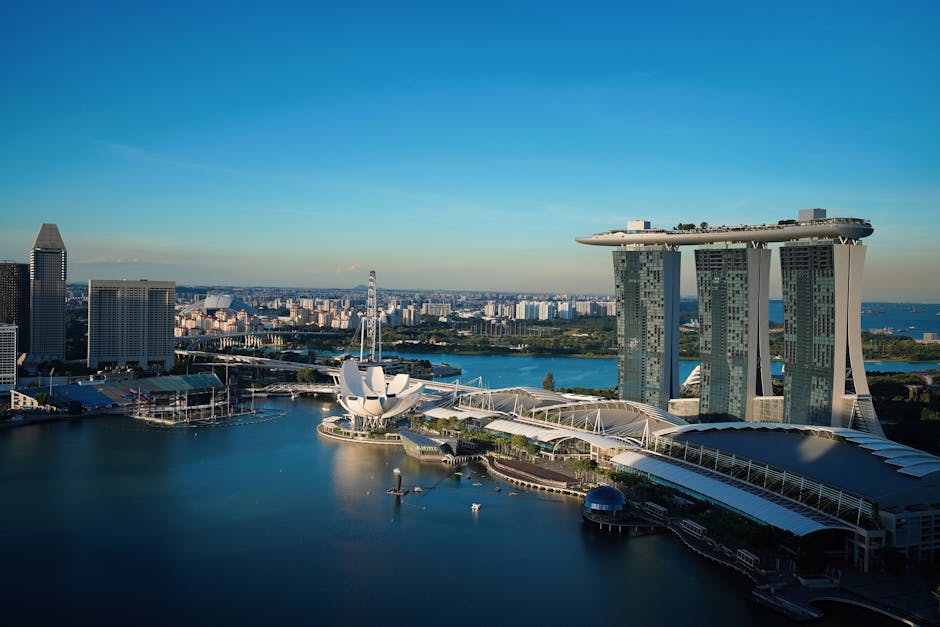
Marketing for HarbourFront and VivoCity Area Businesses in Singapore
HarbourFront is one of Singapore’s busiest and most commercially diverse districts, anchored by VivoCity — the country’s largest waterfront shopping mall — and the Singapore Cruise Centre at HarbourFront Terminal. The area serves as a gateway to Sentosa Island, a major MRT and bus interchange, and a residential hub for the Telok Blangah and Keppel neighbourhoods. For businesses operating in and around HarbourFront, this convergence of cruise passengers, mall shoppers, Sentosa-bound visitors, daily commuters, and local residents creates a uniquely layered customer base in 2026.
The marketing challenge in HarbourFront lies in the sheer diversity of foot traffic. On any given day, the area might see cruise passengers disembarking for a day in Singapore, families heading to Sentosa via the Sentosa Express monorail, office workers from the Keppel and Mapletree business parks grabbing lunch, weekend shoppers exploring VivoCity’s extensive retail mix, and residents from the surrounding HDB estates running everyday errands. Each of these groups has different needs, spending power, and discovery behaviours. A marketing strategy that treats them as one audience will inevitably underperform.
This guide covers the specific marketing strategies that work for HarbourFront and VivoCity area businesses. Whether you run a retail shop in VivoCity, a restaurant along the waterfront, a service business near the MRT station, or a tourist-oriented venture capitalising on cruise and Sentosa traffic, these are actionable tactics to help you capture more of the enormous foot traffic that flows through this district every day.
Mapping the HarbourFront Customer Landscape
Before investing in any marketing channel, HarbourFront businesses need a clear picture of who their customers are and how they behave. The area’s unique position as a transit hub, shopping destination, and tourism gateway means you are dealing with multiple distinct audience segments, each requiring different marketing approaches.
Cruise passengers: The Singapore Cruise Centre at HarbourFront Terminal handles hundreds of thousands of cruise passengers annually. Ships from Royal Caribbean, Genting Dream, and other cruise lines dock regularly, releasing waves of passengers who have a few hours to shop, dine, and explore before departure or after arrival. These passengers are typically in holiday mode, willing to spend, and looking for convenience. They discover nearby businesses through the cruise terminal’s own recommendations, Google Maps, and quick mobile searches.
Sentosa-bound visitors: Millions of people pass through HarbourFront each year en route to Sentosa via the Sentosa Express monorail at VivoCity Level 3. These visitors — a mix of tourists, local families, and day-trippers — pass directly through VivoCity, creating a captive audience for businesses that position themselves along the Sentosa-bound flow. They typically arrive in the morning and return in the late afternoon or evening, offering two marketing windows.
Mall shoppers: VivoCity draws shoppers from across Singapore with its mix of retail, dining, entertainment (including Golden Village cinemas), and the rooftop Sky Park. Weekend footfall is particularly strong, driven by families and leisure shoppers. These customers discover stores through the VivoCity app, mall directories, Google searches, and social media.
Daily commuters and workers: HarbourFront MRT station sits on both the North East Line and Circle Line, making it a major interchange. Thousands of commuters pass through daily, along with workers from the nearby Keppel Bay and Mapletree business parks. These are habitual customers — once you win their lunch or coffee routine, they return daily.
Local residents: The surrounding areas of Telok Blangah, Mount Faber, and Keppel include both HDB estates and private condominiums. Residents use VivoCity and HarbourFront businesses for grocery shopping, dining, services, and entertainment. They represent a steady, year-round customer base that values convenience and familiarity. A well-planned digital marketing approach should account for all these segments with tailored messaging and channel selection.
Capturing Cruise Terminal Traffic
Cruise passengers represent a high-value, time-limited marketing opportunity. When a cruise ship docks at HarbourFront Terminal, hundreds or thousands of passengers disembark with a few hours and spending money. Capturing even a small percentage of this traffic can meaningfully boost your revenue.
Establish relationships with the Singapore Cruise Centre and cruise line operators. Many cruise terminals provide passengers with welcome packs, maps, and recommendations for nearby dining and shopping. Being included in these materials — whether through paid placement or partnership — puts your business directly in front of passengers as they arrive. Offer cruise line partnerships such as exclusive discounts for passengers showing their cruise cards.
Optimise your Google Business Profile for cruise-related searches. Passengers stepping off a ship will search on their phones for “restaurants near HarbourFront cruise terminal,” “shopping near Singapore cruise centre,” and “things to do near HarbourFront.” Ensure your profile includes accurate distance information from the cruise terminal, clear operating hours, and photos that appeal to tourists. Create Google Ads campaigns targeting these high-intent searches during days when cruise ships are docked.
Create cruise-specific promotions with clear time constraints. A “Cruise Passenger Special — show your boarding pass for 15% off” deal is simple, memorable, and trackable. For F&B businesses, offer quick-service options that acknowledge passengers’ limited time — express lunch sets, grab-and-go options, and pre-order capabilities that minimise waiting time.
Position your marketing materials strategically in the physical space between the cruise terminal and VivoCity. The walking route from the terminal into VivoCity is a narrow marketing funnel — passengers walk through specific corridors and pathways. If your business is located along this route, external signage and A-frame boards with compelling offers can intercept passengers who have not yet decided where to eat or shop. Coordinate with VivoCity’s management on approved advertising placements.
Monitor the cruise ship schedule published by the Singapore Cruise Centre and plan your marketing calendar accordingly. Know which days will bring an influx of passengers and prepare your operations and promotions ahead of time. Some ships carry predominantly Chinese passengers, others carry Western travellers — adjust your promotions and language accordingly.
VivoCity Mall Marketing Strategies
VivoCity is Singapore’s largest waterfront mall, with over 300 retail and dining outlets spread across three levels plus a rooftop. For businesses operating within the mall, marketing is a combination of leveraging the mall’s own promotional ecosystem and running independent campaigns that drive traffic specifically to your store.
Participate actively in VivoCity’s marketing programmes. The mall runs seasonal campaigns, loyalty programmes, and tenant promotions throughout the year. Being featured in VivoCity’s marketing materials — newsletters, social media, in-mall digital displays, and the VivoCity app — provides exposure to the mall’s large customer database. Coordinate with the mall’s marketing team on joint promotions, especially during key retail periods like the Great Singapore Sale, year-end holiday season, and back-to-school periods.
Invest in your own social media marketing to build a following independent of the mall’s channels. Retail tenants that rely solely on mall foot traffic are vulnerable to changes in mall dynamics. Build a social media presence that drives customers specifically to your store. Use location tags for VivoCity consistently, share content about new arrivals and promotions, and engage with customers who tag your store in their posts.
Optimise your in-mall visibility. Your storefront is your most important marketing asset in a mall environment. Window displays, signage, and visual merchandising need to capture attention within seconds as shoppers walk past. Update your displays regularly to reflect new collections, promotions, and seasons. For F&B businesses, menu boards, food photography, and aroma marketing (the smell of freshly baked goods or brewed coffee) are powerful foot traffic drivers.
Use digital advertising to drive foot traffic to your VivoCity location. Google Ads with location extensions show your business’s distance from the searcher and provide directions directly to your store within the mall. Facebook and Instagram ads with geo-targeting can reach users within a five-kilometre radius of VivoCity, showing them your latest promotions and offers. Include clear wayfinding information — “Level 2, near the fountain” or “next to the Sentosa Express entrance” — in your advertising to help customers find you easily.
Positioning as a Sentosa Gateway Business
Every Sentosa visitor who takes the Sentosa Express passes through VivoCity Level 3. This creates a natural interception point — a window of opportunity to attract customers who are either heading to Sentosa and need supplies, or returning from Sentosa and looking for dinner or shopping.
If your business is located on or near Level 3 of VivoCity, your marketing should explicitly acknowledge the Sentosa traffic flow. Signage that says “Grab a coffee before heading to Sentosa” or “Hungry after a day on Sentosa? We are right here” speaks directly to the customer’s immediate context and need. This contextual relevance is more effective than generic promotions.
Create Sentosa-complementary offerings. A convenience store can stock sunscreen, insect repellent, beach towels, and waterproof phone cases that Sentosa visitors need. A restaurant can offer early dinner specials timed for the typical 5 to 7 pm return flow from Sentosa. A retail shop can promote “treat yourself after a day at the beach” messaging for impulse purchases.
Partner with Sentosa attractions for cross-promotional deals. Offer discounts to customers who show a Sentosa attraction ticket stub, Universal Studios wristband, or Sentosa Express ticket. These partnerships benefit both parties — the Sentosa attraction gains an additional incentive for its customers, and you gain qualified traffic from visitors who have already demonstrated willingness to spend on leisure.
Create 内容营销 that positions your business within the Sentosa visitor journey. Blog posts like “What to Do Before Heading to Sentosa” or “Best Dinner Spots After a Day at Universal Studios” naturally feature your business while providing genuinely useful information. Optimise these pages for search terms that Sentosa visitors use during their planning phase.
For businesses outside VivoCity but within the HarbourFront area, marketing to Sentosa visitors requires intercepting them digitally before they arrive. Run Google Ads targeting Sentosa-related searches with messaging that highlights your proximity to the Sentosa gateway. Use social media geo-targeting to reach people in the HarbourFront area with timely offers and directions to your location.
Transit Hub Marketing and Commuter Targeting
HarbourFront MRT station is one of Singapore’s busiest interchanges, connecting the North East Line and Circle Line. Thousands of commuters pass through every day, representing a consistent, predictable source of potential customers for businesses in the immediate area.
Understand the commuter’s mindset and time constraints. Morning commuters are rushing to work and have minimal time — if you are a coffee shop, speed and convenience are your marketing messages. Evening commuters are more relaxed and open to browsing, dining, or picking up groceries on the way home. Weekend commuters are often heading to VivoCity or Sentosa and are in leisure mode. Tailor your promotions and messaging to match these different mindsets at different times.
Use proximity-based digital marketing to reach commuters. Geo-targeted mobile ads served to users within 200 to 500 metres of HarbourFront MRT station can promote lunch deals, after-work specials, and weekend offers at precisely the right moment. These ads are most effective when combined with a clear call to action and simple directions — “Two minutes from HarbourFront MRT Exit B. Today’s lunch set: $12.90.”
For businesses that depend on the commuter lunch crowd, invest in local SEO targeting “lunch near HarbourFront,” “coffee HarbourFront MRT,” and similar queries. These hyper-local searches indicate strong immediate purchase intent. Ensure your Google Business Profile shows accurate lunch-hour timings, features photos of your lunch offerings, and has strong reviews that reinforce quick service and good value.
Consider transit advertising within HarbourFront MRT station and bus interchange. Digital display panels, platform screen door advertisements, and lift lobby placements within the station reach commuters during their daily transit. While these placements require budget, the repeated daily exposure to the same commuter audience builds brand awareness and recall that drives gradual customer acquisition over time.
Family and Weekend Shopper Campaigns
VivoCity is one of Singapore’s top family shopping destinations, thanks to its family-friendly amenities — the rooftop Sky Park water playground, Golden Village cinemas, a wide selection of children’s retail and dining options, and easy access to Sentosa for a combined shopping-and-play day trip.
Market to families as a unit, not just to individual decision-makers. Family shopping trips involve multiple stakeholders — parents want value and convenience, children want entertainment, and the overall experience needs to cater to everyone. Your marketing should address the family experience holistically. A restaurant promoting its kids’ menu alongside its adult offerings, or a retail shop highlighting children’s products while parents browse, speaks to the family dynamic.
Leverage the VivoCity Sky Park as a marketing anchor. Families with young children are drawn to the rooftop playground, and businesses on the upper levels benefit from this traffic. If your business is near the Sky Park, reference it in your marketing — “Cool down with a treat after the Sky Park” or “We are right next to the playground.” Create family combo deals that include your products or services as part of a broader VivoCity family experience.
Run weekend-specific promotions that align with family shopping patterns. Families typically visit VivoCity on Saturday and Sunday afternoons. Time your social media posts, advertisements, and email promotions to reach parents on Friday evening and Saturday morning when they are making weekend plans. Use 电子邮件营销 to notify your subscriber base about weekend specials, new arrivals, and family events.
Create kid-friendly experiences within your business. Colouring sheets for children while parents dine, play areas within retail shops, family photo opportunities, and small complimentary treats for children all enhance the family visit experience. These touches generate positive reviews, social media shares from parents, and repeat visits.
Partner with family-focused platforms and communities for marketing reach. Singapore parenting websites, mummy blogger networks, and family activity platforms like Little Day Out can drive significant awareness among the family demographic. Sponsored posts, event partnerships, and feature listings on these platforms put your business in front of parents actively planning family outings.
Local SEO and Digital Presence for HarbourFront
A strong digital presence is foundational for any HarbourFront business. Whether your customer is a cruise passenger searching on their phone, a VivoCity shopper checking reviews, or a commuter looking for lunch options, your online visibility directly impacts your foot traffic.
Claim and optimise your Google Business Profile with meticulous attention to detail. For VivoCity tenants, include the specific level and unit number in your address. Upload at least 20 high-quality photos covering your storefront, interior, products, and key offerings. Post weekly updates about promotions, new arrivals, and events. Respond to all reviews promptly and professionally.
Build a well-designed website that serves as your digital storefront. Even if your primary sales happen in-person, a website establishes credibility, captures search traffic, and provides essential information that customers need before visiting. Include clear location details with embedded Google Maps, operating hours, menu or product catalogue, and contact information. Ensure the site is mobile-optimised — the majority of HarbourFront area searches happen on mobile devices.
Target location-specific keywords in your SEO strategy. Beyond generic terms, focus on hyper-local searches that indicate strong visit intent — “VivoCity level 2 restaurants,” “HarbourFront lunch deals,” “shopping near cruise terminal Singapore.” Create content pages that rank for these terms and provide genuine value to searchers while promoting your business naturally.
Monitor your competitive landscape online. In a concentrated area like VivoCity, your competitors are often literally next door. Track their Google ratings, social media activity, and promotional strategies. Identify gaps in their online presence that you can exploit — if no competitor ranks for “best Korean food VivoCity” and you serve Korean cuisine, that is a keyword opportunity waiting to be claimed.
Use analytics to understand your digital performance. Track which online channels drive the most store visits, phone calls, and direction requests. Google Business Profile insights, Google Analytics, and social media analytics together provide a comprehensive view of your digital marketing effectiveness. Review this data monthly and adjust your strategy based on what the numbers reveal.
Partnerships and Cross-Promotion Opportunities
HarbourFront’s ecosystem of interconnected businesses — the cruise terminal, VivoCity mall, Sentosa gateway, transit hub, and surrounding commercial buildings — creates natural partnership opportunities that can amplify your marketing reach without proportionally increasing your spend.
Partner with complementary businesses within VivoCity for bundled promotions. A cinema and a restaurant can offer dinner-and-movie packages. A children’s entertainment centre and a nearby cafe can create family combo deals. A beauty salon and a fashion retailer can collaborate on “pamper and shop” packages. These partnerships expand your customer reach to audiences you might not otherwise access.
Engage with the HarbourFront precinct’s business community through organisations like the Mapletree Business City tenant network. Joint marketing initiatives, shared event sponsorships, and collective promotions during key periods strengthen the precinct’s overall appeal and benefit individual businesses. Group marketing efforts often achieve better results than solo campaigns, particularly for smaller businesses with limited budgets.
Collaborate with hotels and serviced apartments in the Keppel and Telok Blangah area. Properties like the Hotel Boss or serviced apartments near HarbourFront can recommend your business to their guests. In return, you can display their promotional materials or offer reciprocal recommendations. This is particularly valuable for F&B businesses and service providers that cater to visitors staying in the area.
Leverage seasonal and national events for partnership marketing. During major events like the Great Singapore Sale, National Day, or year-end holiday season, coordinate promotions with neighbouring businesses and the VivoCity mall management. Joint campaigns that offer a cohesive experience across multiple businesses give customers more reasons to visit the area and spend more time — and money — in the precinct.
Explore corporate partnerships with businesses in the nearby Keppel Bay Tower and Mapletree Business City. These commercial developments house thousands of office workers who represent a reliable weekday customer base. Corporate lunch programmes, after-work event partnerships, and exclusive employee discount schemes can establish your business as the go-to option for this captive professional audience.
常见问题
How can I attract cruise passengers to my HarbourFront business?
Optimise your Google Business Profile for cruise-related searches, create promotions that reference cruise passengers specifically (such as boarding pass discounts), and establish relationships with the Singapore Cruise Centre for inclusion in passenger information materials. Position physical signage along the walking route between the cruise terminal and VivoCity. Monitor the cruise ship schedule and prepare targeted promotions for docking days.
What marketing budget should a VivoCity tenant allocate?
VivoCity tenants should budget between $1,500 and $4,000 per month for independent digital marketing beyond the mall’s own promotional programmes. This covers Google Business Profile management, social media content and advertising, local SEO, and email marketing. F&B tenants and larger retail outlets may need $4,000 to $8,000 monthly. Increase spending by 30 to 50 per cent during peak retail periods like the year-end holiday season and Great Singapore Sale.
How do I compete with other VivoCity restaurants for foot traffic?
Differentiate through a combination of strong online reviews, compelling storefront presentation, and targeted digital marketing. Build a Google review profile that exceeds 4.3 stars with consistent volume. Invest in eye-catching menu boards and food photography visible from the mall corridor. Run geo-targeted social media ads to reach shoppers already in or near VivoCity. Create unique offerings — signature dishes, time-limited specials, or experience-based dining — that give customers a specific reason to choose you over alternatives.
Should I target Sentosa visitors in my marketing?
Yes, if your business is positioned along the Sentosa visitor flow — particularly on or near VivoCity Level 3 or between the MRT station and the Sentosa Express entrance. Sentosa visitors represent a high-volume, leisure-oriented audience that is receptive to dining, shopping, and convenience purchases. Create offerings that complement the Sentosa experience, such as pre-trip supplies, post-visit dining, and souvenir shopping. Use signage and digital marketing that explicitly references the Sentosa connection.
How important is the commuter market for HarbourFront businesses?
The commuter market is essential for weekday revenue, particularly for F&B, convenience retail, and service businesses near HarbourFront MRT station. Commuters provide consistent, predictable daily traffic that smooths out the peaks and valleys of weekend and tourist-dependent revenue. Win the commuter’s daily routine — their morning coffee, weekday lunch, or after-work grocery run — and you build a reliable revenue foundation. Target this segment through local SEO, geo-targeted ads, and loyalty programmes that reward repeat visits.
What are the best times to run promotions for HarbourFront businesses?
Peak promotional periods include weekends (especially Saturday afternoons), school holidays, public holidays, cruise ship docking days, and major retail events. For the commuter market, weekday lunch hours between 11.30 am and 1.30 pm are critical. For Sentosa-bound visitors, target late morning arrivals and late afternoon returns. Time your digital advertising to reach audiences during their decision-making windows — Friday evenings for weekend shoppers, early mornings for lunch planners, and Thursday to Saturday for nightlife and dining audiences.


 Chinese
  English
  Malay
Malay  Korean