
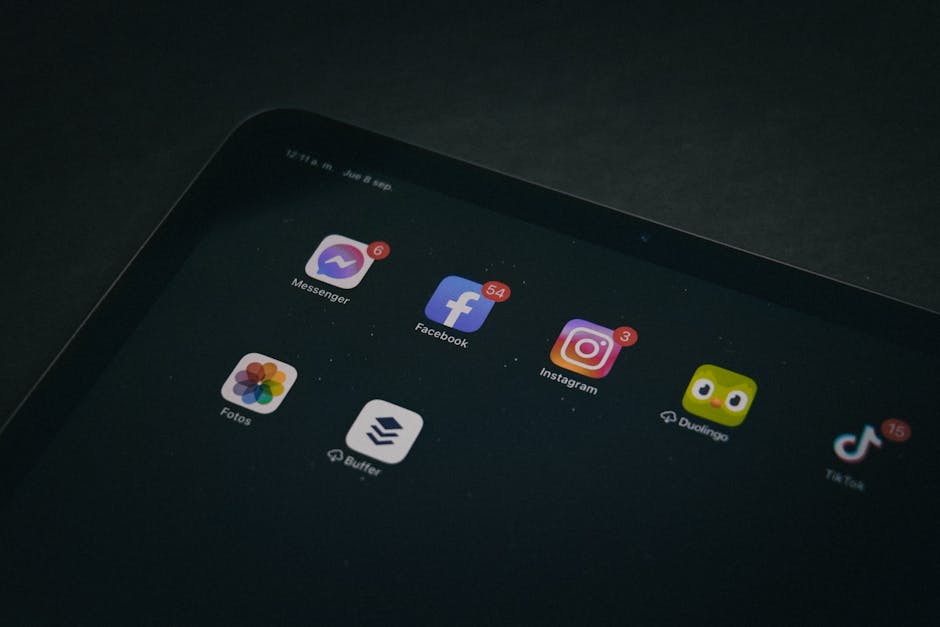
Buffer Tutorial: Plan and Publish Social Media Content
Buffer has earned a loyal following among marketers who value simplicity. Unlike feature-heavy platforms that can feel overwhelming, Buffer focuses on doing a few things exceptionally well: scheduling posts, analysing performance, and helping you maintain a consistent publishing rhythm across all your social media channels.
For Singapore businesses, particularly startups and SMEs working with lean marketing teams, Buffer’s clean interface and generous free tier make it an attractive choice. Whether you are a hawker stall owner posting daily on Instagram or a tech startup sharing updates on LinkedIn, this Buffer tutorial will help you get the most from the platform and strengthen your social media marketing efforts in 2026.
This guide covers everything from initial account setup and channel connections to queue scheduling, analytics interpretation, the Start Page feature, and a detailed comparison of Buffer’s free and paid plans so you can choose wisely.
Setting Up Your Buffer Account
Buffer makes onboarding quick and painless. Here is how to get started:
Step 1: Create your account. Go to buffer.com and click “Get started now.” You can sign up using your email address, or authenticate with Google, Facebook, or Apple. The free plan requires no credit card, making it risk-free to explore.
Step 2: Choose your starting point. Buffer will ask whether you want to start with Publishing, Analytics, or Start Page. For most users, Publishing is the logical first step. You can always activate the other features later.
Step 3: Familiarise yourself with the interface. Buffer’s dashboard is organised into a left sidebar with tabs for Publishing, Analytics, Engagement, and Start Page. The Publishing tab is your primary workspace, showing a calendar view and your post queue for each connected channel.
Before connecting any accounts, head to Settings and confirm your time zone is set to SGT (UTC+8). This ensures all scheduled posts align with Singapore time. Also set your preferred date format and notification preferences so you receive alerts when posts are published or when engagement spikes.
Connecting Your Social Media Channels
Buffer supports the major platforms Singapore marketers rely on. Here is how to connect each one:
Step 1: From the Publishing dashboard, click “Connect a channel” or the “+” icon next to the channel list.
Step 2: Select your platform. Buffer supports Instagram (Business and Creator accounts), Facebook Pages and Groups, X (Twitter), LinkedIn profiles and pages, Pinterest, TikTok, Mastodon, and Google Business Profile. Each platform requires you to log in and grant Buffer permission to post on your behalf.
Step 3: For Instagram, ensure your account is a Business or Creator profile linked to a Facebook Page. This is required for auto-publishing. Without it, Buffer can only send push notification reminders instead of publishing directly.
Singapore businesses should connect all platforms where they maintain an active presence. If you are a local service provider, do not overlook Google Business Profile — it allows you to publish updates directly to your Google listing, which supports your SEO efforts and local search visibility.
Channel-specific tips: For LinkedIn, connecting a Company Page (rather than a personal profile) gives you access to richer analytics. For Pinterest, organise your boards before connecting so Buffer can publish pins to the correct board from the start.
Creating and Scheduling Posts
Creating content in Buffer is intuitive. Here is a detailed walkthrough:
Step 1: Open the composer. Click “Create post” at the top of the Publishing tab or click directly on a date in the calendar view.
Step 2: Select channels. Tick the channels where you want this post to appear. Buffer allows you to customise the content for each platform after selecting multiple channels. This is important because a LinkedIn post typically requires a different tone and format from an Instagram caption.
Step 3: Write your content. Enter your text in the composer. Buffer shows a real-time preview of how your post will appear on each selected platform. Add images by clicking the media icon — you can upload from your computer, use Buffer’s integration with Canva, or pull images from your media library.
Step 4: Add links and hashtags. Paste any URLs into your post. Buffer automatically shortens links for tracking purposes when this feature is enabled. For Instagram, add hashtags either within the caption or as a first comment — Buffer supports both options.
Step 5: Schedule or queue. Choose “Add to queue” to place the post in your next available time slot, “Schedule post” to pick a specific date and time, or “Share now” to publish immediately. The queue option is Buffer’s signature feature and deserves a closer look.
For Singapore marketers developing a cohesive 内容营销策略, batch-creating a week’s worth of posts in one sitting and adding them all to the queue is an efficient workflow that saves hours compared to posting manually each day.
Mastering Queue Scheduling
Buffer’s queue system is what sets it apart from many competitors. Instead of manually choosing a time for every post, you define a posting schedule, and Buffer automatically fills each slot with queued content in order.
Setting up your posting schedule:
Step 1: Go to Publishing, select a channel, and click “Posting schedule” (the clock icon).
Step 2: Add time slots for each day of the week. For example, you might set Monday through Friday at 8:30 AM, 12:30 PM, and 6:00 PM SGT, with weekends at 10:00 AM and 5:00 PM.
Step 3: Save your schedule. Now, every time you click “Add to queue,” the post automatically slots into the next available time.
Optimising your schedule for Singapore audiences:
- Morning commute (7:30–9:00 AM): Ideal for news, tips, and informational content that people browse on the MRT.
- Lunch break (12:00–1:30 PM): Strong engagement window for visual content, food posts, and short-form videos.
- Evening wind-down (7:00–10:00 PM): Peak time for lifestyle content, promotions, and longer-form posts.
- Late night (10:00 PM–12:00 AM): Can work well for TikTok and Instagram Reels targeting younger Singaporean audiences.
Buffer also offers a “Shuffle queue” option that randomises the order of queued posts. This can be useful if you want to avoid predictable content patterns. However, for time-sensitive content like event promotions or flash sales, always use specific scheduling rather than the queue.
Using Buffer Analytics to Improve Results
Buffer’s analytics module helps you understand what resonates with your audience so you can refine your approach over time.
Accessing analytics: Click the Analytics tab in the left sidebar. Select the channel you want to analyse. Buffer presents data across several views:
- Overview: A snapshot of key metrics including total reach, impressions, engagement, and new followers over a selected date range.
- Posts: A breakdown of individual post performance, sortable by engagement rate, reach, clicks, or comments. This view quickly reveals your top-performing content.
- Answers: Buffer’s AI-powered insights that highlight trends and suggest actionable improvements based on your data.
Key metrics to track:
Engagement rate is arguably the most important metric for Singapore businesses. It tells you the percentage of people who interacted with your content relative to how many saw it. A high reach with low engagement suggests your content is being shown but is not compelling enough to generate action.
Click-through rate matters if you are driving traffic to your website, product pages, or landing pages. Track this alongside your 谷歌广告 and organic traffic data to understand which channels deliver the most qualified visitors.
Best time and day analysis within Buffer shows you when your audience is most active. Use this data to adjust your posting schedule accordingly. Singapore’s social media usage patterns can shift during holidays and school terms, so revisit this analysis quarterly.
Exporting reports: Buffer allows you to export analytics as PDF or CSV files. For agencies, this is useful for client reporting. On paid plans, reports can be customised with date ranges and specific metrics to match your reporting requirements.
Building Your Start Page
Buffer’s Start Page is a customisable landing page that consolidates all your important links into one mobile-friendly page — similar to Linktree but built directly into your Buffer account.
Setting up your Start Page:
Step 1: Navigate to the Start Page tab and click “Get started.” Choose a URL slug (e.g., buffer.com/start/yourbrand).
Step 2: Customise the appearance. Select a theme, upload your logo or profile picture, and add a short bio. Buffer offers several pre-designed themes, or you can adjust colours and fonts to match your brand identity.
Step 3: Add links. Click “Add a block” to insert link buttons, text sections, images, or embedded content. Common links for Singapore businesses include your website, online store, WhatsApp business link, reservation page, Google Maps listing, and latest blog post.
Step 4: Publish and share. Once your Start Page is live, add the URL to your Instagram bio, TikTok profile, and any platform that limits you to a single link.
For Singapore businesses, the Start Page is especially useful on Instagram where you cannot add clickable links to post captions. Instead of constantly changing your bio link, maintain a Start Page with all relevant links and direct followers there. This complements a well-designed 网站 by serving as a bridge between social media and your full online presence.
Buffer tracks clicks on each Start Page link, giving you data on which resources your audience cares about most. Use this information to prioritise content and adjust your link order accordingly.
Free vs Paid: Choosing the Right Buffer Plan
Buffer offers one of the most generous free tiers in the social media management space. Here is a breakdown to help you decide:
Free plan: Connect up to three channels, queue up to 10 posts per channel, access basic publishing tools, and use the Start Page feature. This plan is suitable for solopreneurs, very small businesses, or those testing Buffer before committing to a paid plan.
Essentials plan: Connects unlimited channels with unlimited scheduled posts. Adds engagement tools (reply to comments from within Buffer), detailed analytics, and export capabilities. This plan suits growing Singapore businesses that post frequently and need performance data to guide decisions.
Team plan: Everything in Essentials plus collaboration features including draft approvals, shared content calendars, and team-level permissions. This is designed for marketing teams of two or more people who need to coordinate their social media workflow.
Agency plan: Built for marketing agencies managing multiple clients. Includes white-label reports, client-level access controls, and the ability to manage a large number of channels efficiently.
For most Singapore SMEs, the Essentials plan offers the best balance of features and value. The unlimited scheduling alone justifies the cost if you are posting daily across multiple platforms. If you are also investing in 电子邮件营销 and other channels, Buffer’s affordability means it will not consume an outsized portion of your marketing technology budget.
Money-saving tip: Buffer offers discounts for annual billing. If you have been using Buffer monthly for three or more months and are satisfied, switching to annual billing typically saves you the equivalent of two months’ subscription.
常见问题
Is Buffer still free in 2026?
Yes, Buffer continues to offer a free plan that supports up to three social media channels and 10 queued posts per channel. While limited, it is sufficient for individuals or micro-businesses just getting started with scheduled social media publishing.
Can Buffer auto-publish to Instagram?
Yes, Buffer supports auto-publishing to Instagram Business and Creator accounts that are linked to a Facebook Page. This means your scheduled posts publish automatically without requiring you to manually approve each one via a push notification. Ensure your Instagram account is properly set up as a Business profile for this to work.
How does Buffer compare to Hootsuite?
Buffer is generally simpler and more affordable, making it ideal for small teams that primarily need scheduling and basic analytics. Hootsuite offers more advanced features like social listening, streams-based monitoring, and deeper team collaboration. Choose Buffer for ease of use and value; choose Hootsuite if you need enterprise-level features and monitoring capabilities.
Can I use Buffer for TikTok?
Yes, Buffer supports TikTok scheduling. You can upload videos, write captions, and schedule them to publish at your preferred times. Given TikTok’s growing importance in the Singapore market, this integration helps businesses maintain a consistent presence without manually posting each video.
Does Buffer support carousel posts on Instagram?
Yes, Buffer allows you to create and schedule Instagram carousel posts. Upload multiple images in the composer, arrange them in your preferred order, and schedule the carousel just like any other post. Carousels tend to generate higher engagement than single-image posts, making this a valuable feature for Singapore brands.
Can I manage Google Business Profile with Buffer?
Yes, Buffer supports Google Business Profile as a connected channel. You can schedule updates, offers, and event posts directly to your Google listing. For Singapore businesses that depend on local search traffic, this integration helps keep your Google presence active and supports your overall digital marketing strategy.


 Chinese
  English
  Malay
Malay  Korean