
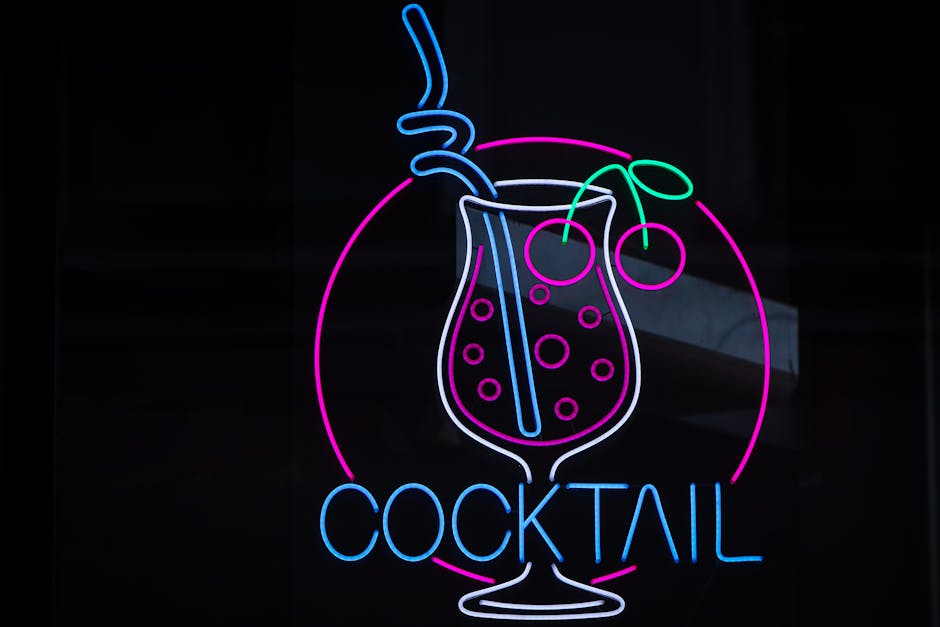
Bar and Nightlife Marketing in Singapore: Fill Seats Every Night
Singapore’s nightlife scene operates under a unique combination of opportunities and constraints. The city’s reputation as a global hub for cocktail culture—with multiple bars consistently featured on Asia’s 50 Best Bars and World’s 50 Best Bars lists—creates a sophisticated consumer base that demands quality. At the same time, strict licensing regulations, high rental costs and intense competition mean that bars and nightlife venues must market themselves strategically to sustain profitable operations week after week.
The marketing challenge for bars in Singapore is distinct from other F&B segments. Nightlife purchases are driven by mood, social dynamics and occasion rather than pure necessity. A diner needs to eat; a bar patron chooses to go out. This means your marketing must create desire, build anticipation and position your venue as the best choice for a given occasion—whether that is a casual after-work drink in the CBD, a Friday night out in Clarke Quay, or an intimate cocktail experience in a hidden speakeasy on Keong Saik Road.
This guide covers the full spectrum of bar and nightlife marketing in Singapore, from social media content and event promotions to paid advertising and regulatory compliance. Whether you operate a cocktail bar, a nightclub, a rooftop lounge or a neighbourhood pub, these strategies will help you attract patrons, fill seats on slow nights and build a brand that keeps people coming back.
Social Media Strategy for Nightlife
Social media is the primary marketing channel for bars and nightlife venues in Singapore. The decision to go out is often spontaneous or made within hours of the event, which means your social media presence needs to create urgency and FOMO (fear of missing out) in real time. Unlike restaurants where diners plan days ahead, bar marketing operates on shorter decision cycles—your Instagram Story at 5 PM can directly influence where someone goes at 9 PM.
Instagram is the core platform for bar marketing. Your feed should establish your venue’s identity through carefully curated imagery—cocktail close-ups with dramatic lighting, atmospheric interior shots, and lifestyle content showing people enjoying your space. However, the real marketing power lies in Instagram Stories and Reels. Use Stories to share daily specials, behind-the-bar content, event countdowns and live atmosphere clips that show potential patrons what they are missing. Reels that showcase bartender skills, cocktail-making processes or venue transformations for special events can reach audiences well beyond your existing follower base.
Posting timing is critical for nightlife. Schedule your most compelling content for 4–7 PM on weekdays (when people are deciding on after-work plans) and 2–5 PM on weekends (when evening plans are being discussed). Use Instagram’s interactive features—polls asking followers to choose the next special cocktail, question stickers soliciting song requests, countdown stickers for upcoming events—to drive engagement and keep your venue top-of-mind during the decision-making window. Maintain an active social media marketing presence even on slow nights to sustain momentum and brand visibility.
Event Marketing and Programming
Regular event programming transforms a bar from a static venue into a dynamic destination that gives patrons a reason to visit on specific nights. In Singapore’s competitive nightlife landscape, events—live music, DJ nights, themed parties, cocktail masterclasses, quiz nights—create anticipation, drive attendance on traditionally slow nights and generate shareable content that extends your marketing reach organically.
Develop a weekly programming calendar that targets different audience segments on different nights. Monday could be industry night with discounts for F&B workers. Wednesday could feature live jazz or acoustic performances to attract the after-work crowd. Thursday’s ladies’ night draws groups that often bring additional paying customers. Weekend events can range from guest DJ sets and themed parties to cocktail pop-ups and brand collaborations. The key is consistency—regulars should know what to expect on any given night, which builds habitual attendance.
Promote events through a multi-channel approach. Create Facebook Events for discoverability and RSVP tracking. Share event details on Instagram with countdown stickers and behind-the-scenes preparation content. Use WhatsApp broadcast lists (with opt-in consent under PDPA) to notify your most engaged patrons about upcoming events. Partner with event listing platforms like Eventbrite, Peatix and local lifestyle publications to extend reach beyond your existing audience. For high-investment events—international guest bartenders, themed takeovers, anniversary parties—consider supplementing organic promotion with targeted digital advertising to reach relevant audiences in your area.
Ladies’ Night and Promotional Strategies
Ladies’ night remains one of the most effective promotional strategies for bars in Singapore, particularly for venues targeting the 25–40 demographic. The premise is straightforward—complimentary or discounted drinks for women on a designated night—but the strategic value extends beyond the direct promotion. Ladies’ nights create gender-balanced crowds that attract additional paying customers, generate social media content as groups photograph their night out, and build midweek attendance on traditionally quiet evenings.
Design your ladies’ night promotion to maximise both attendance and profitability. Offer a curated selection of complimentary drinks (house pour spirits, selected wines or signature cocktails) rather than an unlimited open bar, which can attract the wrong crowd and erode margins. Set a time window for the promotion—typically 7–9 PM or 8–10 PM—that creates a concentrated arrival period and encourages patrons to stay and purchase additional drinks after the promotion ends. Create an elevated experience beyond just free drinks: live music, a photo booth, or exclusive canapés make the evening feel special rather than transactional.
Beyond ladies’ nights, explore other promotional strategies that drive traffic on specific occasions. Happy hour promotions (typically 5–8 PM) target the after-work crowd with discounted prices. “Industry nights” on Mondays or Tuesdays offer F&B professionals a discounted venue, building goodwill within the hospitality community. Seasonal promotions tied to Formula 1 weekend, National Day, Chinese New Year and other Singapore events create timely reasons to visit. Birthday promotions—a complimentary bottle or round of drinks—incentivise group celebrations that generate high spend per table. Track the ROI of each promotion by comparing promotional nights to non-promotional nights in terms of total revenue, not just covers.
Cocktail Content and Brand Storytelling
In an era where consumers can drink at home for a fraction of the cost, bars must sell an experience and a story, not just a drink. Cocktail content—beautifully produced videos, detailed ingredient stories, bartender profiles—builds the perceived value of your offering and positions your venue as a destination worth visiting. Singapore’s cocktail culture is sophisticated enough that consumers appreciate and engage with this kind of 内容营销.
Create a content series around your cocktail menu. For each signature cocktail, produce a short video showing the preparation process from ingredients to finished drink, accompanied by the bartender explaining the inspiration, flavour profile and technique involved. Share ingredient stories—where your spirits are sourced, why you chose a particular bitters, the local twist that makes your Singapore Sling unique. Profile your bartenders as personalities with expertise and passion, not anonymous staff members. This humanises your brand and creates personal connections that drive loyalty.
Extend your cocktail content beyond social media. Develop a section on your 网站 featuring your cocktail menu with descriptions, high-quality photography and bartender notes. Write blog posts about cocktail trends, spirit categories and the craft behind your menu. This content serves dual purposes: it provides shareable material for social media and improves your SEO for searches like “best cocktails Singapore,” “speakeasy bar recommendations” and “craft cocktail bars CBD.” Collaborate with spirits brands on co-branded content that provides mutual value—they gain exposure to your audience, and you receive product support, event sponsorship or access to their marketing assets.
Influencer and KOL Collaborations
Influencer marketing for bars differs from restaurant influencer partnerships in important ways. The nightlife audience responds to lifestyle aspiration and social currency rather than pure food photography. The right influencer collaboration positions your bar as the place to be seen—a venue associated with taste, sophistication and social relevance. The wrong collaboration wastes budget on impressions from audiences who will never visit.
Select influencers whose personal brand aligns with your venue’s positioning. A craft cocktail bar should partner with food and drink enthusiasts, lifestyle creators and culture commentators—not generic lifestyle influencers who post about everything from skincare to travel. A nightclub targeting the 21–30 demographic should work with nightlife-focused creators, DJs and local music personalities. Evaluate potential partners based on audience demographics (age, location, interests), engagement quality (genuine comments vs generic responses) and content style compatibility with your brand.
Structure nightlife influencer collaborations for maximum impact. Rather than a simple “visit and post” arrangement, create experiences worth documenting—exclusive preview events, behind-the-bar experiences, cocktail creation collaborations where the influencer co-designs a limited-edition drink. These formats generate more compelling content than a standard review and give the influencer genuine talking points. For events and launches, invite multiple complementary influencers to create a critical mass of content that dominates feeds on the night. Track results through door lists, promo codes and post-event analytics to identify which partnerships deliver actual foot traffic rather than just impressions.
Google and Meta Advertising
Paid advertising for bars requires a different approach than for restaurants or retail. The purchase decision is more emotional and occasion-driven, which means your ad creative and targeting must capture mood and moment rather than simply presenting features and prices. Both Google and Meta platforms offer targeting capabilities that allow you to reach potential patrons at precisely the right time with the right message.
On 谷歌广告, focus on high-intent search keywords: “bars near me,” “cocktail bar [neighbourhood],” “rooftop bar Singapore,” “best bars Clarke Quay.” Use location extensions so searchers can see your address and distance. Run ads on a dayparted schedule—increase bids from 4 PM onwards when people begin searching for evening plans. For special events, create dedicated campaigns targeting event-related keywords like “live music bar tonight Singapore” or “ladies’ night Singapore [day of week].”
Meta ads (Facebook and Instagram) excel at awareness and desire creation. Use video ads showing your venue’s atmosphere, cocktail craftsmanship and social energy to reach potential patrons before they actively search. Target by age, location, interests (cocktails, nightlife, live music) and behaviours (frequent bar visitors, nightlife enthusiasts). Custom audiences based on your Instagram engagement allow you to retarget people who have already shown interest in your venue. Lookalike audiences extend your reach to users who resemble your existing patrons. For events, create dedicated event campaigns with a clear call-to-action—RSVP, add to calendar or message for reservations—and increase spend in the 48 hours before the event when decision-making peaks.
Licensing Regulations and Compliance
Marketing a bar in Singapore requires awareness of the regulatory framework governing alcohol advertising, licensing and operations. Non-compliance can result in fines, licence suspension or closure—consequences that no amount of clever marketing can recover from. Understanding these regulations is not just a legal obligation but a marketing consideration, as certain promotional strategies that work in other markets are restricted or prohibited in Singapore.
The Liquor Control (Supply and Consumption) Act regulates the sale and consumption of alcohol in Singapore. Key provisions that affect marketing include restrictions on alcohol sales after 10:30 PM at retail outlets (not applicable to licensed bars and restaurants, but relevant if you sell packaged alcohol), designated Liquor Control Zones (Geylang, Little India and certain areas of the CBD) where additional restrictions apply after 10:30 PM on weekends and public holiday eves, and requirements around responsible service of alcohol. Your marketing materials should never promote excessive drinking, and promotions must comply with the Singapore Code of Advertising Practice guidelines on alcohol advertising.
Ensure your bar holds the appropriate Public Entertainment Licence (PEL) if you feature live performances, DJs or dancing. The licensing requirements vary based on your venue’s capacity, operating hours and entertainment offerings. For nightclubs operating past certain hours, additional police licensing may be required. Marketing events that fall outside your licence scope—advertising a DJ set when your licence does not cover recorded music performances, for example—can trigger enforcement action. Work with your legal adviser to ensure that every event and promotion you market is fully covered by your existing licences, and factor in lead times for licence amendments or additional approvals when planning major events. Compliance is a foundation upon which all your other marketing efforts rest.
常见问题
What is the best social media platform for bar marketing in Singapore?
Instagram is the most effective platform for bar marketing, offering visual storytelling, Stories for real-time engagement and Reels for organic reach. TikTok is increasingly important for reaching younger audiences (21–30). Facebook remains useful for event promotion and reaching the 30+ demographic. The ideal approach is a multi-platform strategy with Instagram as the primary channel and supplementary presence on TikTok and Facebook.
How do I market a bar on slow weekday nights?
Create themed programming for each weeknight—quiz nights, live music, industry nights, cocktail masterclasses—that gives people a specific reason to visit. Promote these events consistently so regulars know what to expect. Offer targeted promotions (happy hour extensions, group discounts) and use social media to create FOMO by showing the atmosphere on these nights. Partner with nearby offices for corporate after-work events to drive Tuesday–Thursday traffic.
Can I advertise alcohol promotions on social media in Singapore?
Yes, but with restrictions. Alcohol advertising on social media must comply with the Singapore Code of Advertising Practice and platform-specific policies. Ads must not target minors, encourage excessive consumption or associate alcohol with driving, social or sexual success. Meta and Google both have age-gating requirements for alcohol ads (minimum age 18 for Singapore). Ensure your promotions are positioned as responsible and your ad targeting excludes audiences under the legal drinking age.
How much should a bar spend on marketing monthly?
Most successful bars in Singapore allocate 5–10% of gross revenue to marketing. For a bar generating $60,000–$100,000 monthly, this translates to $3,000–$10,000 across social media content creation, paid advertising, influencer collaborations, event promotion and other activities. Allocate budget dynamically—invest more in weeks with major events or during competitive periods (F1 weekend, festive seasons) and reduce spend during naturally busy periods.
How important is Google Business Profile for a bar?
Very important. Many bar visits begin with a Google search—”bars near me,” “cocktail bar [area].” A well-optimised Google Business Profile with accurate hours, quality photos, a complete menu and positive reviews ensures you appear in local search results. It is also the first result people see when searching for your bar by name. Keep your profile updated and respond to all reviews promptly.
Should I offer online reservations for my bar?
For cocktail bars, lounges and venues with limited seating, online reservations through platforms like Chope, Quandoo or your own website improve the customer experience and provide valuable data for marketing. For high-volume bars and nightclubs, guestlist systems (via Google Forms, WhatsApp or dedicated platforms) serve a similar function. The key benefit is capturing contact details for future marketing—every reservation is an opportunity to build your customer database for 电子邮件营销 and retargeting.
 Chinese
  English
  Malay
Malay  Korean