
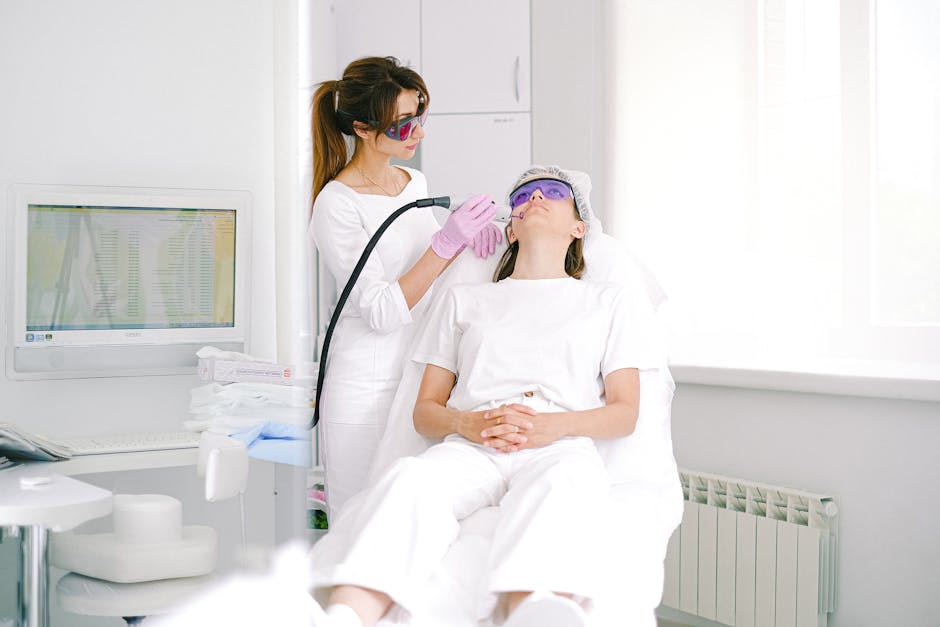
Aesthetic Clinic Marketing in Singapore: Strategies for 2026
Singapore’s aesthetic medicine industry has grown into a multi-billion-dollar sector, fuelled by rising disposable incomes, social media influence and an increasingly appearance-conscious population. From Botox and dermal fillers to laser treatments and thread lifts, demand for non-surgical aesthetic procedures continues to climb across every demographic. For aesthetic clinic owners, this growth presents both opportunity and challenge—more patients are seeking treatments, but more clinics are competing for their attention.
Marketing an aesthetic clinic in Singapore is uniquely complex because of the regulatory framework governing healthcare advertising. The Ministry of Health (MOH), the Singapore Medical Council (SMC) and the Medicines Act collectively restrict how aesthetic practitioners can promote their services. Claims about treatment outcomes, the use of patient testimonials and the display of before-and-after photographs are all subject to rules that, if breached, can result in disciplinary action, fines or licence revocation.
This guide provides a practical roadmap for aesthetic clinic marketing in 2026, balancing the need for effective patient acquisition with strict regulatory compliance. Whether you run a single-doctor boutique practice or a multi-location aesthetic group, the strategies below will help you build a strong patient pipeline through digital marketing channels that work within Singapore’s healthcare advertising rules.
MOH and SMC Advertising Restrictions
Any aesthetic clinic marketing strategy in Singapore must begin with a thorough understanding of the regulatory landscape. The SMC Ethical Code and Ethical Guidelines (ECEG) govern how registered medical practitioners may advertise their services. The Private Hospitals and Medical Clinics Act (PHMCA) Regulations and MOH directives add further layers of compliance requirements that every aesthetic clinic must observe.
Key restrictions that directly impact marketing include the prohibition on publishing patient testimonials or endorsements, restrictions on before-and-after photographs used for promotional purposes, and the requirement that all advertising be factual, accurate and not misleading. Clinics may not make claims of superiority over other practitioners, guarantee treatment outcomes, or use sensationalised language designed to create unreasonable expectations. Fee advertising is permitted but must not be presented in a manner that could be construed as inducement.
In 2026, MOH continues to monitor social media content closely. Aesthetic clinics that use influencer partnerships, sponsored posts or paid collaborations must ensure that all content complies with ECEG guidelines—even when the content is posted on the influencer’s own account rather than the clinic’s. Working with a marketing team that understands these nuances is essential to avoiding costly compliance breaches whilst still running effective campaigns.
Instagram and TikTok Results Content
Instagram and TikTok are the primary discovery platforms for aesthetic treatments in Singapore. Patients research procedures, compare clinics and evaluate practitioners through visual content long before they pick up the phone to book a consultation. A strong social media marketing presence on these platforms is non-negotiable for aesthetic clinics in 2026.
The challenge lies in creating compelling visual content that showcases your clinic’s expertise without breaching SMC advertising guidelines. Educational content is the safest and most effective approach. Videos explaining how specific treatments work—the science behind hyaluronic acid fillers, how fractional laser resurfacing stimulates collagen production, or what patients should expect during and after a thread lift procedure—provide genuine value whilst demonstrating your clinical knowledge.
Treatment process videos, where the camera follows a procedure from consultation through to completion (with patient consent and appropriate anonymisation), perform exceptionally well on both Instagram Reels and TikTok. These videos satisfy curiosity, reduce anxiety for prospective patients and showcase your clinic’s environment and standards. Avoid making outcome claims in captions or voiceovers—let the educational content speak for itself. Trending audio tracks and platform-native editing styles help your content reach wider audiences through algorithmic distribution.
Consistency is vital. Posting three to five times per week on Instagram and at least twice weekly on TikTok maintains algorithmic visibility. Develop a content calendar that rotates between treatment explainers, clinic environment showcases, team spotlights, patient care tips and seasonal content (such as pre-CNY skin preparation tips or post-holiday skin recovery advice).
Google Ads for Aesthetic Clinics
Whilst social media builds awareness and interest, 谷歌广告 captures patients at the moment of highest intent. When someone searches “Botox clinic Singapore,” “lip filler near me” or “best laser treatment for pigmentation Singapore,” they are actively seeking a provider and ready to take the next step. Google Ads places your clinic at the top of these high-value search results.
Aesthetic treatment keywords in Singapore are among the most expensive in the healthcare vertical, with CPCs for competitive terms like “Botox Singapore” and “dermal filler Singapore” ranging from S$5 to S$20. To maximise return on ad spend, structure your campaigns by treatment category—injectables, laser treatments, body contouring, skin rejuvenation—with tightly themed ad groups containing closely related keywords.
Ad copy must comply with SMC guidelines. Avoid claims about specific outcomes, superlatives or language that could create unreasonable expectations. Instead, emphasise your clinic’s credentials, the experience of your practitioners, consultation availability and practical details like location and opening hours. Landing pages should be treatment-specific, mobile-optimised and feature a prominent consultation booking form. A patient searching for “Ultherapy Singapore” should land on a dedicated Ultherapy page—not your homepage.
Implement conversion tracking meticulously. Track form submissions, phone calls and WhatsApp clicks as conversions to give Google’s algorithm the data it needs to optimise your campaigns. Most aesthetic clinics find that a combination of search campaigns for high-intent keywords and Performance Max campaigns for broader reach delivers the strongest overall results.
Doctor Personal Branding
In aesthetic medicine, patients choose the doctor as much as they choose the clinic. Building a strong personal brand for your lead practitioner is one of the most powerful long-term marketing investments an aesthetic clinic can make. Patients want to know who will be performing their treatment, and a recognisable, trusted doctor brand dramatically reduces the perceived risk of booking a consultation.
Within SMC guidelines, doctors can share their qualifications, training background, areas of specialisation and professional achievements. Create a comprehensive doctor profile page on your clinic website that includes professional photographs, educational background, fellowship details, conference presentations and published research. This page often becomes the most visited page on aesthetic clinic websites after the homepage.
LinkedIn is an underutilised platform for aesthetic practitioners in Singapore. Sharing professional insights, commenting on industry developments and publishing articles about advances in aesthetic medicine builds credibility among peers and patients alike. A doctor who is visibly engaged with their profession inspires confidence. Similarly, media appearances, speaking engagements and contributions to publications like Her World, Shape Singapore or CNA Lifestyle enhance professional visibility whilst remaining compliant with SMC guidelines, provided the content is factual and not self-promotional in nature.
Consultation Funnels That Convert
The patient journey for aesthetic treatments is rarely impulsive. Most patients spend weeks or months researching treatments, comparing clinics and deliberating before booking their first consultation. An effective marketing funnel guides prospective patients through this consideration phase, building trust and reducing anxiety at each stage until they are ready to commit.
The typical aesthetic clinic funnel begins with awareness content on social media or blog articles that capture initial interest. From there, prospective patients visit your clinic website to learn more about specific treatments. A well-designed treatment page with detailed information, FAQs, pricing guidance and a clear call to action moves them towards booking a consultation. Offering multiple booking options—online form, WhatsApp, phone call—reduces friction and accommodates different communication preferences.
Retargeting plays a crucial role in aesthetic clinic funnels. Many prospective patients visit your website multiple times before booking. Google Display retargeting and social media retargeting campaigns keep your clinic visible during the consideration phase. Use 电子邮件营销 to nurture leads who have submitted enquiry forms but not yet booked—a series of three to four informative emails spaced over two weeks, providing additional treatment information and addressing common concerns, can convert hesitant prospects into confirmed consultations.
Track your funnel metrics closely. Monitor the conversion rate at each stage—social media click-through to website, website visit to enquiry form submission, form submission to consultation booking, consultation to treatment acceptance. Identifying and addressing drop-off points systematically will improve your patient acquisition cost over time.
Review Management for Aesthetic Clinics
Online reviews are particularly influential in the aesthetic industry because treatments involve personal appearance and carry inherent risk perceptions. Prospective patients scrutinise reviews carefully, looking not just at star ratings but at the detail and authenticity of individual experiences. A strong review profile across Google, Facebook and relevant platforms like RealSelf builds the social proof that moves hesitant prospects towards booking.
Develop a post-treatment review request process that feels natural rather than transactional. The best time to request a review is during the follow-up appointment when the patient is experiencing the results of their treatment and feels positive about their experience. A gentle, in-person request followed by an SMS with a direct review link within 24 hours typically yields the highest response rates.
Monitor all review platforms and respond to every review promptly. For positive reviews, express genuine gratitude. For negative reviews—which are inevitable for any clinic with meaningful patient volume—respond with empathy, professionalism and an offer to discuss concerns privately. Never reference specific treatments or clinical details in public responses, as this could breach patient confidentiality obligations. Your response to criticism often influences prospective patients more than the criticism itself.
SEO for Aesthetic Clinics
Search engine optimisation delivers compounding returns for aesthetic clinics willing to invest in long-term SEO strategy. Treatment-specific pages targeting keywords like “Botox Singapore,” “lip filler cost Singapore” and “HIFU treatment Singapore” can rank organically and drive consistent patient enquiries without ongoing per-click costs.
Create comprehensive content for each treatment your clinic offers. Each page should cover what the treatment involves, who it is suitable for, expected results and timelines, potential side effects, downtime, pricing guidance and frequently asked questions. This depth of information satisfies both search engine algorithms and patient information needs. Avoid making outcome guarantees or using language that could be considered misleading under SMC guidelines.
Technical SEO fundamentals matter enormously for clinic websites. Page load speed, mobile responsiveness, structured data markup (particularly MedicalBusiness and Physician schema), and a logical site architecture all contribute to search visibility. Build topical authority by publishing regular blog content addressing patient questions—”How long does Botox last?”, “Can I exercise after filler injections?”, “What is the difference between Botox and Dysport?”—and internally linking these articles to your main treatment pages.
常见问题
Can aesthetic clinics in Singapore use before-and-after photos in advertising?
The use of before-and-after photographs in advertising is restricted under SMC guidelines. Such images must not be used in a manner that is misleading, creates unreasonable expectations or constitutes a testimonial of clinical competence. Educational use in clinical contexts may be permissible, but any marketing application should be carefully reviewed for compliance. Always obtain written patient consent before using any clinical photographs.
How much does Google Ads cost for aesthetic clinics in Singapore?
Aesthetic treatment keywords in Singapore typically cost between S$5 and S$20 per click, depending on competition. Popular terms like “Botox Singapore” and “filler Singapore” sit at the higher end. Most aesthetic clinics invest between S$3,000 and S$10,000 per month in Google Ads, though the optimal budget depends on your location, treatment focus and growth targets. The key metric is cost per consultation booking, not cost per click.
Can aesthetic clinics use influencers for marketing in Singapore?
Aesthetic clinics can engage influencers, but all sponsored content must comply with SMC and MOH advertising guidelines. Influencers must not make claims about treatment outcomes, provide testimonials about clinical competence, or create content that could be considered misleading. Sponsored content must also comply with the Advertising Standards Authority of Singapore (ASAS) guidelines by clearly disclosing the commercial relationship. Work closely with your legal and compliance team before launching any influencer campaign.
What social media platform is best for aesthetic clinic marketing?
Instagram remains the most effective platform for aesthetic clinics in Singapore due to its visual nature and the demographics of its user base. TikTok is growing rapidly, particularly for reaching patients aged 18–35. Facebook remains relevant for reaching patients aged 35 and above. Rather than spreading resources thin across all platforms, most clinics achieve better results by focusing on Instagram as the primary platform with TikTok as a secondary channel.
How can aesthetic clinics build trust with potential patients online?
Trust is built through consistent, transparent communication. Publish detailed treatment information on your website, maintain active and professional social media profiles, respond to all reviews thoughtfully, share your doctors’ credentials and qualifications prominently, and provide clear pricing guidance. Educational content that helps patients understand treatments—without making exaggerated claims—positions your clinic as a trustworthy authority. Professional website design and branding also signal legitimacy and quality.
Should aesthetic clinics invest in SEO or Google Ads first?
For clinics needing immediate patient volume, start with Google Ads for instant visibility whilst building your SEO foundation in parallel. Google Ads delivers results from day one, whereas SEO typically takes three to six months to show meaningful results. Long-term, SEO provides a more sustainable and cost-effective patient acquisition channel. The ideal approach is running both simultaneously—Google Ads for immediate returns and SEO for compounding long-term growth.


 Chinese
  English
  Malay
Malay  Korean