
Singapore Grants for Trade Shows and Exhibition Marketing: Your 2026 Guide
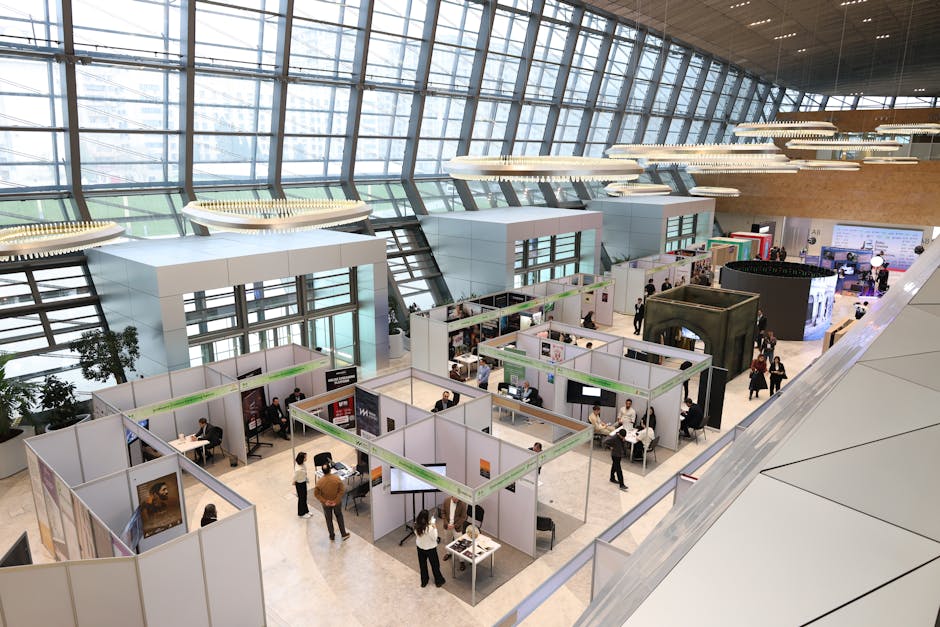
Trade shows and exhibitions remain one of the most effective channels for B2B customer acquisition, product launches, and brand building — but they are also among the most expensive marketing investments a Singapore SME can make. A single overseas trade show can easily cost S$30,000 to S$80,000 when you factor in booth construction, marketing collateral, travel, and accommodation. Fortunately, Singapore government grants can absorb a substantial portion of these costs.
The Market Readiness Assistance (MRA) grant and the Enterprise Development Grant (EDG) are the two primary funding sources for trade show and exhibition marketing. MRA covers overseas exhibition participation as part of its market promotion category, while EDG can fund the strategic planning and marketing collateral development that makes your exhibition presence effective.
This guide covers everything Singapore SMEs need to know about using government grants for trade show and exhibition marketing in 2026 — from eligible costs and application processes to strategies for maximising your return on investment at both physical and virtual exhibitions. Whether you are exhibiting at a regional ASEAN trade fair or a global industry event, grant funding can make the difference between a tentative first appearance and a commanding market presence.
Overview of Grants for Trade Show Participation
Singapore offers several grant pathways for businesses participating in trade shows and exhibitions. Understanding which grant fits your situation is the first step toward securing funding.
The Market Readiness Assistance (MRA) grant is the most commonly used for overseas trade show participation. It covers up to 50 per cent of eligible costs, capped at S$100,000 per company per new market. If you are exhibiting at an overseas trade show to explore or enter a new market, MRA is typically your best option.
The Enterprise Development Grant (EDG) covers the marketing strategy and collateral development aspects of exhibition marketing. While EDG does not directly fund booth rental or travel, it can fund the development of exhibition marketing materials, pre-show and post-show marketing campaigns, and the strategic planning that maximises your trade show investment.
Enterprise Singapore co-organised trade fairs: Enterprise Singapore regularly organises Singapore pavilions at major international trade shows. Participating in these pavilions often comes with subsidised booth costs, shared logistics, and networking support. Check the Enterprise Singapore events calendar for upcoming co-organised exhibitions in your industry.
For businesses in specific sectors, additional support may be available through industry associations and sector-specific agencies. The Singapore Tourism Board supports tourism industry exhibitions, the Singapore Food Agency supports food industry trade shows, and IMDA supports tech and media exhibitions. These sector-specific programmes can be layered on top of MRA or EDG funding.
MRA Grant for Overseas Trade Shows
MRA is the workhorse grant for overseas trade show participation. Under the “Overseas Market Promotion” category, trade fair and exhibition participation is explicitly listed as a supported activity. Here is how MRA applies to trade shows:
Eligibility: Your business must be a Singapore-registered SME with at least 30 per cent local shareholding. The trade show must be held overseas (MRA does not cover Singapore-based exhibitions), and your participation must support market entry or expansion in the host country or region.
Funding level: MRA covers up to 50 per cent of eligible costs in 2026. The S$100,000 per-market cap applies to all MRA-funded activities in that market collectively, not just trade shows. If you are also running Kempen Google Ads in the same market under MRA, the combined costs share the same cap.
Eligible exhibitions: Both industry-specific trade fairs and general business exhibitions qualify, provided they are relevant to your business and target market. Major regional exhibitions like ASEAN trade fairs, China import/export fairs, and industry-specific events worldwide are all eligible.
Pre-approval requirement: You must receive MRA approval before committing to the trade show. This means applying well in advance — typically three to four months before the exhibition date to allow for the eight-to-twelve-week processing period plus time for any queries. Last-minute trade show decisions cannot be retroactively funded through MRA.
A practical tip: if you plan to attend multiple overseas trade shows in a year, consider submitting a single MRA application covering all exhibitions in the same market. This is more efficient than submitting separate applications and demonstrates a cohesive market entry strategy that assessors favour.
EDG for Exhibition Marketing Strategy and Collateral
While MRA covers the direct costs of overseas trade show participation, EDG complements this by funding the marketing strategy and collateral that make your exhibition presence effective. A beautifully designed booth is wasted without compelling marketing materials and a structured pre-show and post-show engagement plan.
Under EDG’s marketing support category, you can fund the development of exhibition-specific marketing collateral — brochures, product catalogues, corporate presentations, video content, and branded merchandise. These materials form the backbone of your trade show marketing and are typically the most overlooked element by first-time exhibitors.
EDG can also fund the development of a comprehensive exhibition marketing strategy. This includes pre-show digital campaigns to drive booth traffic, appointment-setting programmes with key prospects, lead capture and follow-up systems, and post-show nurture campaigns. Engaging a content marketing agency to develop this strategy ensures your trade show investment generates measurable returns.
The strategic approach is to use EDG for the marketing planning and collateral phase, then MRA for the actual overseas exhibition participation. This dual-grant approach covers the full exhibition marketing lifecycle and maximises your total grant-supported investment.
Eligible Costs: What the Grants Cover
Understanding exactly which costs are eligible for reimbursement prevents surprises during the claim process. Here is a comprehensive breakdown:
Booth rental and construction (MRA): The cost of renting exhibition space and constructing your booth is covered. This includes raw space rental, shell scheme packages, custom booth design and construction, furniture rental, electrical and internet connections, and booth graphics and signage. Keep all invoices from the exhibition organiser and booth contractor.
Marketing collateral (EDG/MRA): Printed materials such as brochures, product catalogues, flyers, and business cards produced specifically for the exhibition are eligible. Digital collateral including presentation decks, video content, and interactive demonstrations also qualify. Under MRA, these must be targeted at overseas audiences; under EDG, they can serve both local and international purposes.
Travel and accommodation (MRA): Economy-class airfare and reasonable accommodation costs for staff attending overseas exhibitions are eligible under MRA. The number of claimable staff members is typically limited — usually two to three persons per exhibition. Ensure you book economy-class flights, as business-class upgrades are not reimbursable.
Shipping and logistics (MRA): Costs for shipping product samples, display materials, and marketing collateral to the exhibition venue are covered. This includes freight charges, customs clearance fees, and insurance for shipped items.
Translation and interpretation (MRA): If you need materials translated for the target market or require an interpreter at the booth, these costs qualify. This is particularly relevant for exhibitions in non-English-speaking markets across Asia.
Costs not covered: Entertainment expenses, meals and incidentals during travel, gifts for prospects or clients, staff salaries, costs for Singapore-based exhibitions (under MRA), and any expenses incurred before grant approval are not eligible for reimbursement.
Virtual and Hybrid Exhibition Funding
The exhibition industry has evolved significantly, and virtual and hybrid formats are now permanent fixtures in the trade show landscape. Singapore grants have adapted to cover these newer formats.
Virtual exhibition participation: Costs for participating in virtual trade shows — including virtual booth setup fees, digital exhibition platform subscriptions, virtual presentation production, and online networking event fees — are eligible under MRA when the exhibition targets overseas markets. Virtual exhibitions offer a cost-effective way to test new markets before committing to physical presence.
Hybrid exhibition components: Many trade shows now offer hybrid options where physical attendance is complemented by virtual elements. Both the physical and virtual components are eligible for grant support, provided they are part of the same exhibition and serve the same market entry objectives.
Webinar and virtual event marketing: Hosting your own virtual events — such as product launch webinars or industry roundtables targeting overseas audiences — can qualify under MRA’s market promotion category. Costs include webinar platform subscriptions, speaker fees, digital promotional campaigns to drive registrations, and production costs for professional-quality virtual events.
Virtual formats are particularly attractive for grant applications because they offer lower total costs and clearer attribution of results. You can demonstrate exactly how many overseas prospects engaged with your virtual booth, downloaded materials, or scheduled follow-up meetings — data that strengthens both your initial application and your post-project claim. Complement virtual exhibitions with a strong laman web that captures and converts the leads you generate.
How to Apply for Trade Show Grants
Here is a step-by-step process for applying for trade show grants in 2026:
Step 1 — Identify your target exhibitions. Research upcoming trade shows relevant to your industry and target markets. Compile a shortlist that includes exhibition dates, locations, expected visitor profiles, booth costs, and registration deadlines. Prioritise exhibitions that align with your market entry strategy and allow sufficient time for grant processing.
Step 2 — Check for Enterprise Singapore co-organised events. Before applying independently, verify whether Enterprise Singapore is organising a Singapore pavilion at your target exhibition. Participating in a co-organised pavilion often provides additional subsidies, logistical support, and networking opportunities beyond what individual MRA applications offer.
Step 3 — Develop your exhibition marketing plan. Create a document outlining your objectives for each trade show, target audience, key messages, booth concept, staffing plan, pre-show marketing activities, lead capture approach, and post-show follow-up strategy. This plan forms the backbone of your grant application.
Step 4 — Gather quotations. Obtain detailed quotations for booth rental and construction, marketing collateral production, travel arrangements, and any supporting services. Ensure quotations are itemised by cost category to align with the grant’s eligible expense categories.
Step 5 — Submit your application on the Business Grants Portal. Complete the MRA or EDG application form, attaching your exhibition marketing plan, quotations, company financial statements, and any supporting documents. Submit at least three to four months before the earliest exhibition date to allow for processing time.
Step 6 — Prepare for queries. Enterprise Singapore may request additional information about your market justification, exhibition selection rationale, or budget breakdown. Respond promptly and thoroughly to keep the application on track.
Step 7 — Execute and document. After receiving approval, proceed with your exhibition plans. Document everything meticulously — photographs of your booth, visitor registration data, lead lists, meeting notes, invoices, and receipts. This documentation is essential for your post-project claim.
Maximising Your Exhibition ROI with Grant Support
Grant funding reduces your exhibition costs, but maximising return on investment requires strategic execution beyond just showing up with a booth. Here are proven strategies:
Invest in pre-show marketing. The most successful exhibitors begin promoting their trade show presence six to eight weeks before the event. Use email marketing to invite existing contacts and prospects, run targeted social media campaigns to build awareness, and leverage the exhibition’s own marketing channels (attendee lists, show directory, sponsored content) to drive booth traffic.
Design your booth for engagement, not just display. Your booth should facilitate conversations, not just showcase products. Include a demonstration area where visitors can experience your product firsthand, a meeting space for scheduled appointments, and clear calls to action that capture contact details. Every element should serve a lead generation purpose.
Train your booth staff thoroughly. Your staff are the most important element of your exhibition presence. Brief them on target customer profiles, key qualifying questions to ask visitors, product demonstration scripts, and the lead capture process. Role-play common scenarios before the event so your team is confident and consistent.
Implement a structured lead capture system. Paper business card collection is not sufficient. Use a digital lead capture tool — whether a dedicated app, a tablet-based form, or a badge scanning solution — to record visitor details, conversation notes, and follow-up priority levels in real time. This ensures no lead falls through the cracks during the busy exhibition period.
Execute post-show follow-up within 48 hours. The value of trade show leads decays rapidly. Send personalised follow-up emails within 48 hours of the exhibition closing, referencing specific conversations and next steps discussed at the booth. Segment leads by priority and assign follow-up responsibilities to specific team members with clear deadlines.
Integrating Trade Shows with Your Digital Marketing Strategy
Trade shows should not operate in isolation from your broader digital marketing efforts. Integrating exhibition marketing with your ongoing digital marketing strategy amplifies the impact of both channels.
Before the exhibition, create content around the event — blog posts about industry trends the show will address, social media countdowns featuring your booth number and what visitors can expect, and email campaigns highlighting exclusive show offers or demonstrations. This content drives organic traffic and positions your brand as an active industry participant.
During the exhibition, use social media to share real-time updates — product demonstrations, speaker sessions, booth activity, and customer interactions (with permission). Live content from trade shows typically generates high engagement and reaches audiences who could not attend in person. Tag the exhibition’s official accounts and use event hashtags to maximise visibility.
After the exhibition, repurpose your trade show content across all digital channels. Product demonstration videos become YouTube content and website assets. Presentation decks become SlideShare uploads and blog post source material. Customer testimonials recorded at the booth become social proof for your website and advertising campaigns.
The data you collect at trade shows — visitor demographics, interest areas, competitive intelligence — should feed directly into your digital marketing targeting. Upload your lead list to advertising platforms for custom audience targeting, use insights from booth conversations to refine your ad messaging, and update your customer personas based on face-to-face interactions with your target market.
This integrated approach ensures that your grant-funded trade show investment generates value far beyond the exhibition itself, creating a virtuous cycle of content, data, and customer engagement that strengthens your overall marketing programme.
Soalan Lazim
Can I use MRA to attend trade shows in Singapore?
No, MRA only covers overseas trade show participation. For Singapore-based exhibitions, check with Enterprise Singapore for other support programmes, or consider using EDG to fund the marketing collateral and strategy elements of your local exhibition presence. Some industry associations also provide subsidised booth packages for their members at local trade fairs.
How many staff members’ travel costs can I claim under MRA?
MRA typically supports travel costs for two to three staff members per overseas exhibition. The exact number depends on the scale of your participation and the approved project scope. All travel must be economy class, and accommodation should be reasonable and directly tied to the exhibition dates. Extended stays for personal travel are not claimable.
Can I apply for MRA after I have already registered for a trade show?
You should apply for MRA before committing to any exhibition costs. Registering for a trade show and paying a deposit before receiving grant approval means those costs are not reimbursable. However, if you have only made an enquiry or expressed interest without financial commitment, you can still apply. Plan your application timeline to ensure approval arrives before registration deadlines.
Are virtual trade show participation costs eligible for MRA?
Yes, virtual exhibition costs are eligible under MRA when the event targets overseas markets. This includes virtual booth setup fees, digital platform subscriptions, virtual presentation production costs, and online networking event fees. Virtual exhibitions offer a cost-effective way to explore new markets and are increasingly recognised by grant assessors as legitimate market promotion activities.
Can I combine MRA and EDG for the same trade show?
Yes, you can use MRA for the direct exhibition participation costs (booth, travel, logistics) and EDG for the marketing strategy and collateral development that supports your exhibition presence. However, you cannot claim the same specific expense under both grants. Keep clear separation between MRA-funded and EDG-funded activities in your documentation.
What evidence do I need to submit for trade show grant claims?
You will need to provide invoices and proof of payment for all claimed expenses, photographs of your booth at the exhibition, the official exhibition visitor report or attendance certificate, your lead list or visitor log, a project completion report detailing outcomes against KPIs, and any marketing collateral produced for the exhibition. Maintain a systematic filing system throughout the project to simplify the claims process.

 Malay
Malay  English
  Chinese
  Korean