
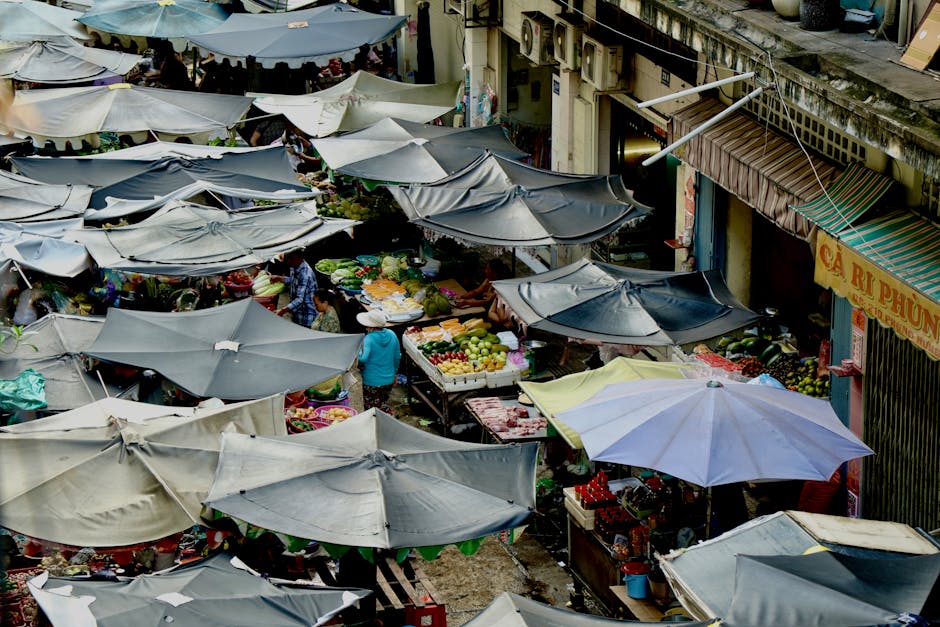
Marketing for Serangoon and NEX Hub Businesses: Strategies for Singapore’s Vibrant Northeast
Serangoon is one of Singapore’s most dynamic commercial districts, blending the old-world charm of Serangoon Gardens with the modern retail energy of NEX — one of the largest suburban malls in the country. This duality gives businesses in the area access to a diverse customer base that ranges from young families in new condominiums to long-time residents who remember the area before the MRT arrived. For marketers, Serangoon offers a rare combination of high foot traffic, strong community identity, and genuine food culture credibility.
The opening of NEX in 2011, integrated with Serangoon MRT interchange station, transformed the area into a major commercial hub serving the broader Northeast region. Today, NEX draws shoppers and diners from Hougang, Sengkang, Punggol, and Ang Mo Kio, making it a strategic location for businesses seeking regional reach beyond the immediate neighbourhood. Meanwhile, Serangoon Gardens — with its landed properties, Chomp Chomp Food Centre, and village-like atmosphere — maintains its appeal as a lifestyle destination that attracts visitors from across Singapore.
This guide provides actionable digital marketing strategies specifically designed for Serangoon businesses in 2026. Whether you operate within NEX, along Serangoon Garden Way, or in the HDB heartland blocks surrounding the area, these strategies will help you attract and retain customers in one of Singapore’s most competitive suburban markets.
Understanding the Serangoon Market and Demographics
Serangoon sits at the crossroads of several distinct residential zones, each contributing different customer profiles to the area’s commercial ecosystem. The Serangoon Central precinct, anchored by NEX, serves as the commercial heart of the broader Northeast planning region. Serangoon Gardens, a landed estate to the east, attracts a more affluent demographic. The surrounding HDB estates along Serangoon North and Serangoon Avenue provide a steady stream of heartland residents.
The family demographic is particularly strong in Serangoon. The area has long been popular with young families drawn by reputable schools such as Rosyth School, Zhonghua Primary School, and St. Gabriel’s Primary School. This concentration of families creates robust demand for children’s education services, enrichment centres, family dining, paediatric healthcare, and lifestyle services catering to parents. Businesses that position themselves as family-friendly tend to perform well here.
Serangoon also benefits from its status as a transport interchange. The Serangoon MRT station connects the North-East Line and the Circle Line, making it one of the most accessible suburban stations in Singapore. This interchange status means businesses in the area — particularly those in NEX — draw customers from a much wider catchment than the immediate neighbourhood, including residents from Hougang, Kovan, Bartley, and Lorong Chuan.
The competitive landscape in Serangoon is more intense than in quieter heartland towns. NEX alone houses over 200 retail units, and Serangoon Gardens has a dense cluster of independent F&B and lifestyle businesses competing for attention. Standing out requires a clear value proposition, strong online visibility, and marketing that speaks directly to the specific needs of Serangoon’s customer segments.
Marketing Within and Around NEX Mall
NEX is more than just a shopping mall — it is Serangoon’s town centre and the de facto gathering point for the Northeast region. With over 40 million visitor trips annually, the mall offers unparalleled exposure for tenant businesses. However, the sheer number of shops and restaurants means that simply being in NEX is not enough. You need a deliberate marketing strategy to capture your share of the foot traffic.
For NEX tenants, your marketing must work at two levels: driving foot traffic to the mall (which NEX’s own marketing largely handles) and converting that foot traffic into customers for your specific store. Window displays and signage are your first impression — invest in visual merchandising that stops shoppers mid-stride. Digital screens, if available at your unit, should feature rotating promotions rather than static branding. Special offers during peak hours (lunch time and post-6pm on weekdays, all day on weekends) capture the highest volume of impulse visitors.
Leverage NEX’s own marketing channels where possible. The mall runs regular campaigns, seasonal events, and loyalty programmes that tenants can participate in. Align your promotions with NEX-wide events — when the mall runs a spend-and-redeem campaign, ensure your in-store offers complement rather than compete with the mall’s messaging. Cross-promote with complementary tenants to create bundled experiences that give shoppers more reasons to visit your side of the mall.
For businesses located near NEX but not inside it — along Serangoon Central or in the adjacent HDB blocks — the strategy shifts to intercepting NEX traffic. Many shoppers exit NEX through the ground-floor connections and walk through the surrounding area. Visible signage, competitive pricing, and a clear reason to step away from the mall (such as lower prices, unique products, or personalised service) can redirect some of this foot traffic your way. Your laman web and Google Business Profile should emphasise your proximity to NEX and Serangoon MRT for customers searching on their phones.
Serangoon Gardens: Lifestyle and Village Branding
Serangoon Gardens occupies a distinct position in Singapore’s commercial landscape. Unlike the standardised mall environment of NEX, Serangoon Gardens has a village-like character with independent shophouses, outdoor dining, and a sense of community that feels more like a neighbourhood in Melbourne or London than a typical Singapore suburb. This character is a powerful branding asset for businesses in the area.
The landed property belt around Serangoon Gardens houses some of the area’s most affluent residents — families with higher disposable income who value quality, convenience, and curated experiences. Marketing to this demographic requires a different approach than heartland marketing. Emphasise quality over price, exclusivity over mass appeal, and lifestyle alignment over hard-sell promotions. Premium F&B concepts, boutique fitness studios, and speciality retail do well in this environment.
For businesses along Serangoon Garden Way, physical presence and atmosphere matter enormously. The strip’s appeal lies in its walkability and al fresco dining culture — customers choose to visit Serangoon Gardens for the experience, not just the products. Your pemasaran kandungan should showcase this atmosphere through high-quality photography, lifestyle-oriented storytelling, and content that positions your business as part of the Serangoon Gardens experience rather than a standalone entity.
Instagram is the dominant discovery platform for Serangoon Gardens businesses. The area’s photogenic streetscape, cafe culture, and food offerings make it inherently shareable. Invest in creating Instagram-worthy moments within your space — feature walls, plating that photographs well, or retail displays that invite social sharing. User-generated content from customers posting about their Serangoon Gardens experience is some of the most valuable marketing you can receive.
Chomp Chomp and F&B Marketing in Serangoon
Chomp Chomp Food Centre is Serangoon’s most famous culinary landmark and one of Singapore’s most visited open-air hawker centres. Its reputation for barbecued seafood, satay, and late-night supper draws crowds from across the island, particularly on weekend evenings. For F&B businesses in Serangoon — whether you are a Chomp Chomp stall or a nearby restaurant — the food culture narrative is a powerful marketing vehicle.
If you operate at Chomp Chomp, your marketing advantage is partly built-in. The centre’s reputation generates organic discovery through food blogs, review platforms, and word-of-mouth. Your job is to amplify this through consistent Google Reviews management, an updated Google Business Profile with appetising photos, and a presence on food discovery platforms like Burpple, HungryGoWhere, and the numerous Telegram food channels that Singaporeans follow. Stalls with strong online reputations can command longer queues and justify premium pricing.
For restaurants and cafes in the broader Serangoon area, positioning yourself within the “Serangoon food scene” narrative extends your reach beyond your immediate neighbourhood. Create content that references the area’s food heritage, collaborate with local food bloggers for reviews, and list your business on food-focused platforms. Social media content that showcases your dishes in the context of the wider Serangoon dining experience — “After your Chomp Chomp supper, come to us for dessert” — creates associative connections that drive discovery.
Food delivery has become a permanent fixture in Serangoon’s F&B landscape. Ensure your business is well-represented on GrabFood, foodpanda, and Deliveroo with optimised listings — professional food photography, accurate descriptions, competitive pricing, and strong ratings. For many Serangoon residents, particularly busy families, the delivery listing is often the first (and sometimes only) touchpoint with your brand. Treat it with the same care you would give your physical storefront.
Family-Focused Marketing Strategies
The concentration of families in Serangoon creates specific marketing opportunities across multiple business categories. Education and enrichment centres, paediatric clinics, family restaurants, children’s retail, and family-oriented services all benefit from Serangoon’s demographic composition. Marketing to families in this area requires understanding the decision-making dynamics and communication preferences of parents.
Parents in Serangoon are active in community forums and parent chat groups. Online platforms like KiasuParents, Facebook parent groups specific to Serangoon and the Northeast, and school-linked WhatsApp groups are where recommendations circulate rapidly. Earning positive mentions in these channels is more valuable than most paid advertising. Encourage satisfied parents to share their experiences and provide genuine value — helpful tips, educational content, or complimentary trial sessions — that parents would naturally recommend to others.
School dismissal times and enrichment centre schedules create predictable traffic patterns that savvy businesses can exploit. F&B outlets near schools can offer after-school meal deals, retail stores can time their promotions around school holiday periods, and service businesses can structure their appointment slots around the school calendar. Understanding and adapting to these rhythms demonstrates that you genuinely understand your customers’ lives.
For family-oriented businesses, your marketing visuals and messaging should reflect the diversity of Serangoon’s families. The area’s demographic mix includes Chinese, Indian, Malay, and Eurasian families, as well as expatriate families drawn to the area’s international schools and landed housing. Inclusive marketing that represents this diversity authentically will resonate more broadly than narrow demographic targeting.
Local SEO and Search Marketing for Serangoon
Local SEO is a cornerstone of digital marketing for Serangoon businesses. The area’s dense commercial environment means that customers frequently turn to Google to compare options before choosing a restaurant, clinic, or service provider. Appearing prominently in local search results — particularly Google’s local pack — can be the difference between a steady stream of customers and being overlooked.
Optimise your Google Business Profile comprehensively. Beyond basic details like name, address, and phone number, fill in every available field — business hours (including holiday schedules), service descriptions, product catalogues, attributes (such as “family-friendly,” “wheelchair accessible,” or “outdoor seating”), and frequently asked questions. Upload at least 20 high-quality photos and add new images monthly to signal to Google that your listing is actively maintained.
Target location-specific keywords that reflect how Serangoon customers actually search. Common patterns include “Serangoon [service],” “near NEX [service],” “Serangoon Gardens [service],” and “Kovan [service].” Create dedicated landing pages on your website for each relevant location variant, with unique content that references specific landmarks and transport connections. A physiotherapy clinic might create separate pages targeting “physiotherapy Serangoon,” “physiotherapy near NEX,” and “physiotherapy Kovan” — each with distinct, locally relevant content.
Review management should be a systematic process, not an afterthought. Set a target for new Google Reviews — even five per month can move the needle for a small business. Train your staff to request reviews from satisfied customers at natural moments (after a successful appointment, upon checkout, or via a follow-up message). Respond to every review within 24 hours, and address negative reviews with empathy and a genuine offer to resolve the issue. These practices build both your search ranking and your reputation simultaneously.
Social Media Strategies for the Serangoon Audience
Social media marketing in Serangoon requires a platform strategy that matches the area’s diverse demographic. Instagram dominates for lifestyle, F&B, and retail businesses, particularly those in Serangoon Gardens and NEX. Facebook remains strong for community engagement, parent groups, and reaching the 40-and-above demographic. TikTok is increasingly relevant for businesses targeting younger consumers and families with school-age children.
Content themes that perform well in Serangoon include food photography (leveraging the area’s foodie reputation), family-oriented content (parenting tips, kids’ activities, family outing ideas), community stories (profiling local characters, sharing neighbourhood history), and behind-the-scenes glimpses of your business operations. The key is creating content that people in Serangoon would naturally share with their friends and family — local pride and practical value drive shares in heartland communities.
Influencer collaborations can be highly effective in Serangoon, particularly with micro-influencers who live in or frequently visit the area. A parenting blogger who reviews your enrichment centre, a food influencer who features your restaurant, or a lifestyle creator who showcases your retail store — these collaborations feel more authentic than celebrity endorsements and reach an audience that is geographically relevant to your business. Negotiate collaborations based on content quality and audience alignment rather than follower count alone.
Community management on social media is particularly important in Serangoon, where online conversations can quickly reach critical mass through interconnected parent groups and community forums. Monitor mentions of your business across platforms, respond to comments and messages promptly, and address any emerging issues before they escalate. A single unhappy customer’s post in a 5,000-member Serangoon parents’ group can do more damage than a poor review on Google.
Paid Advertising and Hyperlocal Campaigns
Iklan Google campaigns for Serangoon businesses should target the full range of location terms that customers use. Beyond “Serangoon,” include “NEX,” “Kovan,” “Serangoon Gardens,” “Chomp Chomp,” and “Serangoon Central” as location modifiers in your keyword strategy. These sub-area terms often have lower competition and cost-per-click than the broader “Serangoon” keyword, whilst attracting highly relevant local traffic.
Facebook and Instagram ads for Serangoon businesses benefit from the platform’s detailed targeting capabilities. Create separate ad sets for different customer segments — one targeting parents aged 30 to 45 within three kilometres of Serangoon for family-oriented offers, another targeting young professionals within one kilometre of NEX for lunch promotions, and a third targeting the broader Northeast region for weekend events or special occasions. This segmentation ensures your budget reaches the most relevant audiences for each campaign objective.
Retargeting is particularly valuable for Serangoon businesses with a strong online presence. Use Meta Pixel and Google remarketing tags to re-engage users who have visited your website, viewed specific products, or interacted with your social media content. For a business like a tuition centre or fitness studio where the purchase decision involves consideration, retargeting ads that address common objections or highlight testimonials from local parents can significantly improve conversion rates.
For businesses with modest budgets, email marketing offers the highest return on investment. Build your email list through in-store sign-ups, website lead magnets, and social media contests. Segment your list by customer type and send targeted campaigns — monthly newsletters with local content, exclusive promotions for loyal customers, and re-engagement campaigns for lapsed visitors. A well-maintained email list of 500 to 1,000 Serangoon-based customers is a marketing asset that compounds in value over time.
Soalan Lazim
What makes marketing in Serangoon different from other Singapore suburbs?
Serangoon’s unique combination of a major transport interchange (NEX/Serangoon MRT), a prestigious landed estate (Serangoon Gardens), and a nationally famous food destination (Chomp Chomp) creates a more complex and competitive marketing environment than most suburbs. Businesses need to be clear about which customer segment they are targeting and tailor their approach accordingly — the NEX crowd, the Serangoon Gardens lifestyle seeker, and the heartland resident each respond to different messaging.
How can a small business compete with NEX mall tenants?
Small businesses outside NEX can compete by offering what mall tenants cannot — personalised service, unique products, competitive pricing (without mall overheads), and a genuine community connection. Focus your marketing on building a loyal local following through excellent service, active Google Reviews management, and social media engagement. Many Serangoon residents actively prefer supporting independent businesses over chains.
What is the best way to market an F&B business near Chomp Chomp?
Leverage the Chomp Chomp association in your marketing — mention your proximity in online listings, create content that references the broader Serangoon food scene, and encourage food bloggers to review your establishment. Ensure your Google Business Profile is optimised with professional food photography, and actively manage reviews on Google, Burpple, and food delivery platforms. Consider differentiated positioning — if Chomp Chomp specialises in supper fare, offer lunch or brunch alternatives.
How much should I budget for digital marketing in Serangoon?
A competitive digital marketing budget for a small to medium Serangoon business ranges from $1,500 to $4,000 per month in 2026. This typically covers Google Ads ($600-$1,500), social media advertising ($400-$1,000), content creation ($300-$800), and platform management. Businesses in highly competitive categories like F&B, education, or healthcare may need to invest at the higher end to maintain visibility against numerous competitors.
Should I focus on Instagram or Facebook for my Serangoon business?
Both platforms serve different purposes. Instagram is essential for visually driven businesses — F&B, retail, fitness, beauty — and reaches a younger, more affluent audience. Facebook is better for community engagement, reaching parents through groups, and targeting the 40-plus demographic. Most Serangoon businesses benefit from maintaining a presence on both platforms, with content adapted to each platform’s strengths and audience expectations.
How can I attract customers from neighbouring areas to my Serangoon business?
Serangoon’s interchange MRT station naturally draws visitors from Hougang, Sengkang, Punggol, Ang Mo Kio, and Bartley. Extend your Google Ads and SEO targeting to include these adjacent area names. Create content and promotions that give people a reason to make the trip — exclusive offerings, events, or experiences not available in their immediate neighbourhood. Partner with businesses in other areas for cross-referral arrangements that expand your reach organically.


 Malay
Malay  English
  Chinese
  Korean