
Marketing for Hawker Centre and Food Court Stalls in Singapore
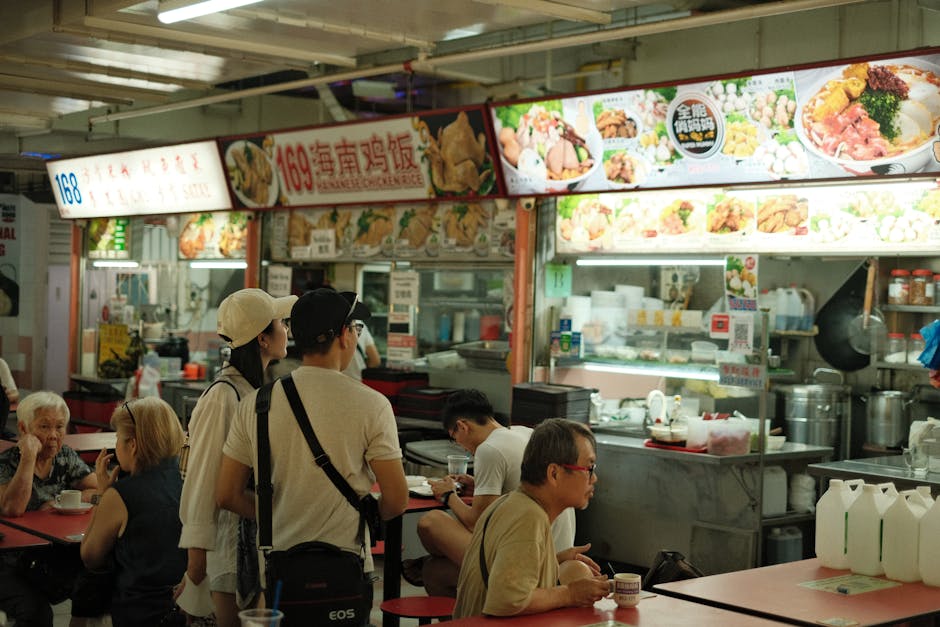
Singapore’s hawker centres and food courts are the heartbeat of the nation’s food culture. With over 110 hawker centres and countless food courts across the island, these venues serve millions of meals daily and represent a cherished part of Singaporean life — so much so that hawker culture earned UNESCO Intangible Cultural Heritage status. Yet for individual stall owners, standing out among dozens of competitors within the same centre and attracting new customers beyond regulars remains a genuine challenge.
The good news is that food is one of the most shareable and engaging content categories on the internet, and Singaporeans are famously passionate about their hawker fare. A single viral post can transform a quiet stall into one with hour-long queues overnight. In 2026, even traditional hawker stall operators recognise that digital visibility is no longer optional — it is essential for survival, especially as younger Singaporeans discover new food spots primarily through social media, Google Maps, and food delivery apps.
This guide provides practical, budget-friendly marketing strategies designed specifically for hawker centre and food court stall owners in Singapore. You do not need a large budget or a marketing degree to implement these tactics. From optimising your Google Maps listing to creating mouth-watering social media content, these strategies can be executed by any stall owner willing to invest a little time between the morning prep and the evening cleanup.
Google Maps and Online Reviews: Your Digital Storefront
For many customers, your Google Maps listing is the first impression of your stall. When someone searches “best chicken rice near me” or “Old Airport Road hawker,” Google displays a map with nearby options, complete with ratings, reviews, photos, and basic information. A well-optimised listing significantly increases the chance that hungry customers choose your stall over the one next door.
How to optimise your Google Business Profile:
- Claim your listing: Many hawker stalls have unclaimed Google listings created by users. Search for your stall on Google Maps and claim ownership through Google Business Profile
- Add accurate details: Include your stall name, hawker centre name and unit number, operating hours (including days off), and contact number
- Upload quality photos: Add at least 10 photos showing your best dishes, your stall front, the cooking process, and the menu board. Well-lit, appetising food photos dramatically increase click-through rates
- Select the right categories: Choose specific categories like “Chicken Rice Restaurant” or “Noodle Shop” rather than just “Restaurant”
- Add your menu: List your dishes with prices in the menu section of your profile
- Post updates: Use Google Posts to share promotions, new dishes, holiday hours, or seasonal specials
Managing reviews effectively:
- Respond to every review — thank positive reviewers and address negative feedback professionally
- Encourage satisfied customers to leave reviews. A simple sign at your stall saying “Love our food? Leave us a Google review!” works well
- Never buy fake reviews — Google’s algorithms detect them and may penalise your listing
- Address legitimate complaints by explaining what you have done to improve
Investing time in your Google presence is essentially free SEO that generates ongoing visibility. Stalls with 4.0+ ratings and more than 50 reviews consistently appear higher in local search results, drawing customers who might never have walked past your stall otherwise.
Social Media Food Photography That Sells
Food content dominates social media in Singapore. Platforms like Instagram, TikTok, and Facebook are where Singaporeans discover new food spots, share recommendations, and make dining decisions. You do not need professional equipment — a smartphone with a decent camera and good natural lighting can produce content that drives customers to your stall.
Food photography tips for hawker stall owners:
- Natural lighting: Photograph your dishes near the front of your stall where natural light is strongest. Avoid harsh overhead fluorescent lighting, which makes food look unappealing
- Top-down and 45-degree angles: These are the two most flattering angles for food photography. Top-down works well for flat dishes like nasi lemak, while 45-degree angles suit bowls of soup and tall dishes
- Show the process: Videos of wok hei flames, noodles being pulled, or roti prata being flipped are mesmerising and highly shareable
- Keep it authentic: Singaporeans respond better to real, honest food photos than overly polished, filtered images. Show your food as it actually looks — if it is good, it will sell itself
- Include context: Photos that show the hawker centre atmosphere, the queue at your stall, or a happy customer add storytelling elements that pure food shots lack
Post consistently — aim for three to five times per week across your social media channels. Use relevant hashtags like #SingaporeFood, #HawkerFood, #SGHawker, and the specific name of your hawker centre. Tag food bloggers and reviewers in your posts to increase the chance of discovery. A strong social media presence can transform your stall’s visibility without spending a single dollar on advertising.
Delivery App Listings and Optimisation
Food delivery has become a permanent part of Singapore’s dining landscape. In 2026, GrabFood, foodpanda, and Deliveroo continue to serve millions of orders monthly. For hawker stall owners, delivery apps represent both a revenue channel and a marketing platform that introduces your food to customers who may never visit your hawker centre in person.
Optimising your delivery app listings:
- Professional listing photos: Invest in good photos for your delivery app menu. These images are the primary driver of ordering decisions
- Menu structure: Organise your menu logically with clear categories. Highlight bestsellers and recommended combinations
- Pricing strategy: Account for platform commissions (typically 25-35%) in your delivery pricing. Many stalls charge slightly more on delivery apps than for dine-in
- Preparation time: Set realistic preparation times. Consistently meeting or beating estimated times improves your ranking on the platform
- Respond to reviews: Delivery app reviews are visible to all potential customers. Address complaints and thank positive reviewers
- Participate in platform promotions: Join free delivery campaigns, bundle deals, and seasonal promotions offered by the platforms to boost visibility
Consider listing on multiple delivery platforms to maximise reach. Each platform has a different user base and coverage area. Track your performance on each platform and focus your promotional efforts on the ones that deliver the best volume and profitability for your stall.
Creating Viral Content for Your Stall
Viral food content can generate the kind of attention that no advertising budget can buy. In Singapore, food-related viral content regularly drives queues, media coverage, and lasting reputation boosts for hawker stalls. While virality cannot be guaranteed, certain content approaches significantly increase your chances.
Content formats with viral potential:
- Behind-the-scenes cooking videos: Show the skill, effort, and passion that goes into preparing your dishes. A video of hand-pulled noodles, char kway teow tossed in a blazing wok, or the meticulous assembly of a popiah can captivate viewers
- Heritage and origin stories: Share the story of how your stall started, family recipes passed down through generations, or your journey from another career to becoming a hawker
- Challenge and reaction content: “Can you finish our XXL portion?” or first-time reactions from tourists trying your food generate engagement
- Transformation content: Before-and-after videos of raw ingredients becoming finished dishes showcase your craft
- Customer testimonials: Genuine, enthusiastic reactions from satisfied customers — especially regulars who have been coming for years — tell powerful stories
TikTok and Instagram Reels are the best platforms for viral food content in Singapore. Keep videos under 60 seconds, start with an attention-grabbing hook in the first two seconds, and use trending audio when appropriate. Consistency is more important than perfection — the more content you create, the higher your chances of one piece breaking through to a wider audience.
Collaborate with food bloggers and content creators. Many Singapore-based food influencers are happy to feature hawker stalls, especially those with interesting stories or unique dishes. A single feature from a popular food account like SethLui, MisssTamChiak, or DanielFoodDiary can bring hundreds of new customers to your stall.
Heritage Storytelling and Brand Building
Singapore’s hawker culture carries deep emotional resonance. Many stalls have histories spanning decades, with recipes refined over generations and loyal customers who have been returning since childhood. This heritage is not just sentimental — it is a powerful marketing asset that differentiates your stall from competitors and creates emotional connections with customers.
How to leverage your heritage story:
- Document your history: Write down when your stall started, who founded it, and how recipes were developed. Even if your stall is relatively new, you have a story worth telling
- Display your story visually: A simple framed timeline, old photographs, or a brief story on your stall wall adds character and invites conversation
- Share generational knowledge: If your recipes were handed down, share this heritage on social media. Second and third-generation hawkers carry stories that deeply resonate with Singaporeans
- Connect with media: Local media outlets regularly feature heritage hawker stories. Reach out to food journalists at The Straits Times, CNA Lifestyle, and 8days with your stall’s story
- Participate in heritage initiatives: Government programmes and hawker associations occasionally run heritage documentation projects. Participation raises your profile and preserves your legacy
For newer stall owners, heritage storytelling takes a different form. Share your personal journey — why you chose to become a hawker, the challenges you faced, your commitment to quality. Young hawkerpreneurs who share their stories authentically often attract significant media attention and customer interest, especially when they bring modern innovation to traditional formats.
Budget-Friendly Advertising for Hawker Stalls
Most hawker stall owners operate on thin margins, making expensive marketing campaigns impractical. Fortunately, effective advertising for food businesses can be done on modest budgets, especially when combined with organic social media and Google Maps efforts.
Low-cost advertising options:
- Facebook and Instagram ads: With as little as $5 to $10 per day, you can run geo-targeted ads showing your best dishes to users within a three to five kilometre radius of your hawker centre
- Google Ads: Target specific food searches like “best laksa [neighbourhood name]” with a small daily budget. Iklan Google capture high-intent searches from people actively looking for food
- Delivery app promotions: Subsidised delivery fees or percentage discounts through GrabFood or foodpanda increase order volume and introduce your food to new customers
- Community group promotions: Post tasteful promotions in neighbourhood Facebook and Telegram groups — many allow food businesses to share weekly specials
- Flyer distribution: Simple flyers distributed at nearby offices, residential blocks, or community boards remain effective for local food businesses
Start with a small budget — even $150 to $300 per month — and measure what works. Track whether your ads drive more orders, more walk-ins, or more delivery app sales. Scale up spending on channels that deliver clear returns and cut spending on those that do not. The advantage of digital advertising is that you can start small, test, and adjust without committing large sums upfront.
Managing Your Online Reputation
In Singapore’s food scene, online reputation can make or break a hawker stall. A few negative reviews on Google or complaints on social media can deter potential customers, while strong positive sentiment drives a steady stream of new visitors.
Reputation management strategies:
- Monitor mentions: Set up Google Alerts for your stall name and regularly check review platforms for new reviews
- Respond promptly: Address negative reviews within 24-48 hours. Acknowledge the issue, apologise if warranted, and explain any corrective actions taken
- Learn from feedback: Recurring complaints about specific issues — portion sizes, waiting times, seasoning — deserve attention and action
- Encourage positive reviews: Make it easy for satisfied customers to leave reviews. QR codes linking to your Google review page at the payment counter are effective
- Maintain consistency: The best reputation management is consistent food quality and service. No amount of marketing can overcome a stall that delivers inconsistent experiences
Food bloggers and review platforms like Burpple, HungryGoWhere, and Google Maps collectively shape your stall’s online reputation. Build relationships with honest food reviewers who appreciate your food. Avoid paying for favourable reviews — Singaporean food enthusiasts are savvy and can spot paid endorsements, which damage credibility rather than building it.
Digital Tools Every Hawker Stall Should Use
Running a hawker stall leaves little time for complex marketing activities. The right tools simplify your efforts and maximise the return on your limited time investment.
Essential free and low-cost tools:
- Google Business Profile: Free. Manages your Google Maps listing, reviews, and local search visibility
- Canva: Free tier available. Creates professional-looking social media graphics, menu designs, and promotional materials
- Instagram and TikTok: Free. Primary platforms for food content creation and discovery
- WhatsApp Business: Free. Manages customer communications, pre-orders, and broadcast messages to regular customers
- Google Analytics: Free. Tracks traffic to your laman web if you have one
- Linktree or similar: Free tier available. Creates a single link for your social media bio that directs followers to your Google Maps listing, delivery app pages, and menu
Time-saving tips:
- Batch your content creation — spend 30 minutes once a week photographing and filming, then schedule posts throughout the week
- Use templates for recurring posts — daily specials, operating hour updates, and closed-day notices
- Delegate social media to a family member or part-time helper if managing it yourself is impractical
- Focus on two to three platforms maximum rather than trying to maintain a presence everywhere
The key is starting simple and building gradually. Even a well-maintained Google Business Profile alone can significantly increase your stall’s visibility and attract new customers who would otherwise never discover your food.
Soalan Lazim
How can a hawker stall market itself with almost no budget?
Focus on free channels: claim and optimise your Google Business Profile, create an Instagram or TikTok account for your stall, encourage customers to leave Google reviews, and engage with neighbourhood food groups on Facebook and Telegram. These activities cost nothing but your time and can significantly increase your visibility. Even spending 15-20 minutes daily on social media and review management makes a meaningful difference.
Is it worth joining food delivery apps despite the high commission fees?
For most hawker stalls, yes. While commissions of 25-35% reduce margins, delivery apps provide access to customers beyond your physical location and serve as marketing platforms that increase your brand visibility. Many stall owners adjust their delivery prices slightly higher to offset commissions. The additional volume and customer acquisition often make the economics work, especially during off-peak hours when your stall might otherwise have fewer walk-in customers.
How do I get food bloggers to review my stall?
Start by following and engaging with food bloggers on social media. Tag them in posts featuring your best dishes. Invite them for a complimentary tasting — most reputable food bloggers will disclose if a meal was hosted but will still provide honest reviews. Focus on micro-influencers with 5,000 to 50,000 followers who specialise in hawker and local food content, as they tend to have more engaged and relevant audiences.
What should I do if my stall receives a bad review online?
Respond calmly and professionally within 24-48 hours. Thank the reviewer for their feedback, acknowledge the issue, and explain any steps you are taking to address it. Avoid being defensive or confrontational. If the complaint is unfounded, politely present your perspective. Other potential customers will judge your stall partly on how you handle criticism — a gracious, thoughtful response to a negative review can actually build trust.
How important is social media for older, established hawker stalls?
Very important, even for stalls with loyal regulars. Established stalls risk losing relevance as younger generations discover food spots primarily through social media. Having an online presence ensures that when regulars recommend your stall, there is something visible online to validate that recommendation. It also helps attract tourists and visitors from other parts of Singapore who are exploring hawker centres.
Should I create a website for my hawker stall?
A full website is usually unnecessary for a single hawker stall. Your Google Business Profile, social media accounts, and delivery app listings serve most purposes. However, if you plan to expand — offering catering, selling sauces or pastes, or opening additional locations — a simple website can establish credibility and support these growth channels. Focus your efforts on Google Maps and social media first.


 Malay
Malay  English
  Chinese
  Korean