
Pemasaran inbound dan outbound mewakili dua falsafah yang berbeza secara asas dalam menarik dan melibatkan pelanggan.
- Pemasaran Inbound menarik penonton dalam melalui kandungan dan pengalaman yang berharga dan relevan. Ia adalah tentang memperoleh perhatian secara organik – melalui SEO, blog, video, atau media sosial – dengan menangani niat pengguna dan membina kepercayaan dari masa ke masa.
- Pemasaran keluar, sebaliknya, mendorong mesej yang dihantar kepada pelanggan berpotensi – melalui iklan, e-mel sejuk, surat langsung, atau telemarketing – sering mengganggu aktiviti mereka untuk mewujudkan kesedaran atau mencetuskan tindak balas.
Ringkasnya:
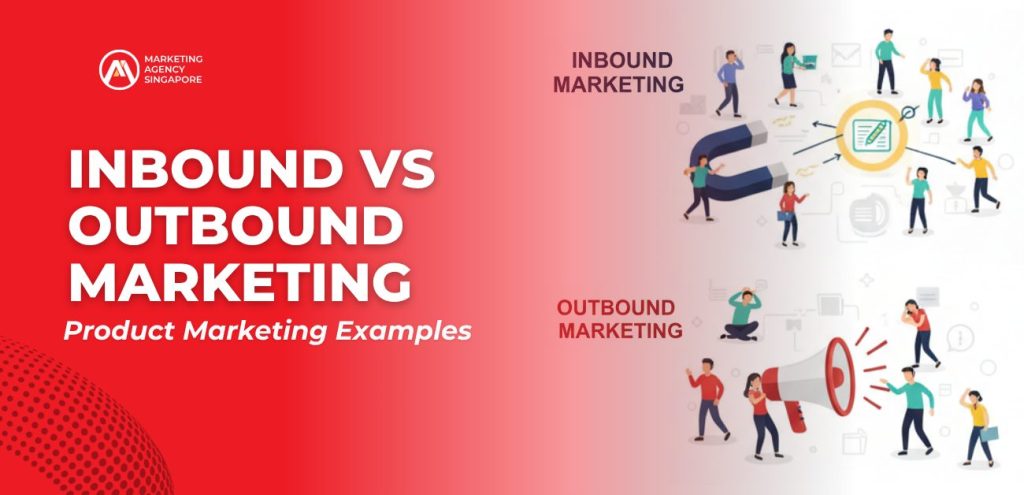
Inbound = Magnet.
Outbound = Megafon.
Artikel ini bertujuan menyelami nuansa pemasaran Inbound berbanding Outbound, serta memberikan contoh berkaitan dan kesesuaian konteks bagi setiap bidang pemasaran.
Jadual Kandungan:
- Apakah Pemasaran Inbound
- Apakah Pemasaran Luaran
- Apakah Pemasaran Inbound vs Pemasaran Outbound
- Contoh Pemasaran Inbound vs Outbound
- Memilih Agensi Pemasaran Inbound atau Outbound
- Kata Akhir
Apakah Pemasaran Inbound
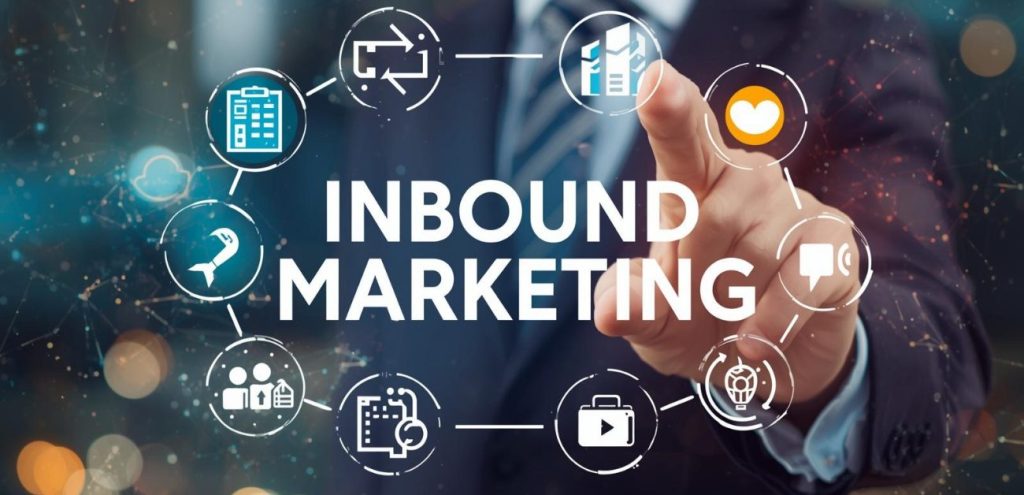
Pemasaran masuk adalah strategi berpusatkan pelanggan yang menumpukan pada menarik minat orang terhadap jenama anda melalui kandungan bernilai dan pengalaman yang membantu, bukannya menayangkan iklan kepada mereka.
Ideanya mudah:
- Buat kandungan berguna yang sudah dicari oleh khalayak sasaran anda.
- Optimumkan supaya mereka dapat menemuinya dengan mudah dalam talian (melalui SEO, media sosial, dan sebagainya).
- Libatkan mereka dengan pandangan atau penyelesaian yang menyelesaikan masalah mereka.
- Ubah mereka menjadi prospek dan kemudian pelanggan dengan memupuk hubungan.
Komponen Teras
- Penciptaan Kandungan – Pos blog, panduan, video, podcast, webinar.
- SEO (Pengoptimuman Enjin Carian) – Memastikan kandungan anda mendapat kedudukan tinggi apabila orang mencari.
- Media Sosial – Berkongsi dan berinteraksi di mana khalayak anda meluangkan masa.
- Alat Penukaran Potensi Pelanggan – Seruan untuk bertindak, halaman pendaratan, umpan prospek, borang.
- Pemupukan E-mel – Mengikuti prospek dengan cara yang membantu dan relevan.
- Analitik – Mengukur kandungan yang berkesan dan memperbaikinya dari semasa ke semasa.
Apakah Pemasaran Luaran

Pemasaran outbound ialah strategi pemasaran proaktif di mana sesebuah syarikat memulakan hubungan dengan pelanggan berpotensi dengan menghantar mesej ke luar, bukannya menunggu pelanggan mencari syarikat itu.
Dengan kata lain: bukannya menarik prospek dengan dikesan (seperti dalam inbound), outbound keluar untuk mencarinya.
Contohnya termasuk:
- Panggilan sejuk atau e-mel sejuk.
- TV, radio, iklan cetak, papan iklan.
- Iklan paparan, carian berbayar, mel langsung.
Bagaimana Pemasaran Luaran Berfungsi
Untuk menggunakan pemasaran keluar dengan berkesan, anda melalui beberapa langkah:
- Tentukan khalayak sasaran (ICP/B2B atau B2C)
Kenal pasti kumpulan yang ingin anda capai (demografi, peranan kerja, tingkah laku).
- Pilih saluran dan mesej
Pilih medium yang sesuai (iklan paparan, e-mel, surat langsung) dan sediakan mesej yang disesuaikan untuk khalayak. - Kempen pelancaran (“mesej push”)
Oleh kerana anda memulakan usaha jangkauan, masa dan kekerapan adalah penting. Anda mungkin akan mengganggu – tidak semestinya ketika prospek sedang mencari secara aktif. - Ukur, ulangi, optimumkan
Lacak metrik seperti jangkauan, tayangan, penukaran, kos per lead. Gunakan kod penjejakan, halaman pendaratan, integrasi CRM.
Kekuatan & Kelemahan (Kompromi) Pemasaran Keluar
Kekuatan:
- Boleh menjana kesedaran pantas dan mencapai khalayak yang besar dengan cepat (terutamanya untuk tawaran yang terhad waktunya).
- Lebih kawalan mengenai mesej, saluran dan masa berbanding kandungan yang perlu menunggu untuk ditemui.
- Berfungsi dengan baik dalam situasi di mana prospek tidak sedang mencari secara aktif (iaitu, anda perlu membawa mesej itu kepada mereka).
Kelemahan:
- Sering kos yang lebih tinggi per lead atau penukaran (kerana anda mencapai ramai yang mungkin belum bersedia) .
- Risiko menjadi mencampuri atau diabaikan (panggilan sejuk, e-mel tanpa diminta) yang boleh merosakkan persepsi jenama.
- ROI boleh menjadi lebih sukar untuk dikekalkan dalam jangka panjang melainkan ia disasarkan dengan tepat dan dilaksanakan dengan baik.
Apabila Pemasaran Luaran Berfungsi
Pemasaran keluar boleh menjadi sangat berguna dalam situasi berikut:
- Pelancaran produk atau kemasukan ke pasaran baruAnda perlu mencipta keterlihatan dengan cepat daripada menunggu penemuan organik.
- Jualan B2B bernilai tinggiApabila anda mensasarkan sejumlah kecil akaun bernilai tinggi, usaha keluar (contohnya e-mel sasaran, panggilan telefon) boleh mempercepatkan prospek ke dalam corong anda.
- Tempoh kempen yang singkat: Tawaran bermusim, tawaran terhad masa, atau apabila anda perlu mencapai sasaran dengan cepat.
- Melengkapi inboundGunakan pemasaran keluar untuk membawa orang ke dalam ekosistem pemasaran masuk anda (contohnya, iklan yang mengarahkan ke hab kandungan) dan kemudian memelihara mereka.
Apakah Pemasaran Inbound vs Pemasaran Outbound
Pemasaran inbound dan pemasaran outbound adalah dua pendekatan teras untuk mencapai dan menukar pelanggan – masing-masing dengan falsafah dan taktik yang berbeza. Jadual berikut memperincikan perbezaan utama antara pemasaran inbound dan pemasaran outbound.
| Kategori | Pemasaran Inbound | Pemasaran keluar |
| Pendekatan Teras | Tarik – tarik pelanggan secara semula jadi melalui kandungan yang berharga | Push – hubungi pelanggan secara langsung melalui saluran berbayar atau promosi |
| Gol | Membina kepercayaan, kredibiliti, dan penglibatan jangka panjang | Hasilkan kesedaran segera dan penukaran pantas |
| Interaksi Pelanggan | Dua hala, berasaskan kebenaran (pelanggan memulakan hubungan) | Satu arah, berdasarkan gangguan (jenama memulakan hubungan) |
| Garis masa untuk keputusan | Jangka panjang dan berbunga (6–12 bulan) | Jangka pendek dan segera (beberapa hari hingga beberapa minggu) |
| Kecekapan kos | Menurun dari semasa ke semasa – kandungan terus menjana prospek secara organik | Lebih tinggi – memerlukan perbelanjaan iklan berterusan atau usaha jualan |
| Niat Penonton | Tinggi – prospek sedang secara aktif mencari penyelesaian | Rendah hingga sederhana – prospek mungkin belum mencari lagi |
| Kualiti Plumbum | Biasanya lebih tinggi, kerana prospek telah menyahkan kelayakan mereka sendiri. | Boleh berbeza; selalunya jumlahnya lebih besar tetapi kualifikasinya kurang. |
| Fokus Kandungan | Pendidikan, berorientasikan nilai (blog, panduan, video, webinar) | Promosi, menarik perhatian (iklan, surat langsung, panggilan sejuk) |
| Contoh Taktik | SEO, pemasaran kandungan, pemeliharaan e-mel, media sosial, webinar | Iklan berbayar, panggilan sejuk, perhubungan awam, acara, pameran perdagangan, surat langsung |
| Metri Pengukuran | Lalu lintas organik, penglibatan, kualiti prospek, pulangan atas pelaburan dari masa ke masa | Jangkauan, tayangan, kadar klik (CTR), kos per prospek |
| Susunan Teknologi | Automasasi pemasaran, CRM, alat SEO, platform analitik | Platform iklan, alat e-mel keluar, CRM jualan |
| Pembinaan Hubungan | Memupuk hubungan jangka panjang melalui kepercayaan | Menumpukan pada kesedaran segera dan penukaran |
| Yang terbaik untuk | Jenama yang mencari pertumbuhan lestari dan kepimpinan pemikiran | Syarikat melancarkan produk baharu atau memasuki pasaran baharu |
| Cabaran | Pulangan pelaburan awal yang perlahan; penciptaan kandungan memerlukan masa | Kos per lead yang lebih tinggi; boleh dianggap mengganggu |
| Pengalaman Pelanggan | Memberi kuasa dan bersifat pendidikan | Mengganggu tetapi boleh menarik perhatian |
| Contoh | Blog HubSpot, panduan SEO Moz, tutorial YouTube | Iklan LinkedIn, iklan televisyen, emel jangkauan sejuk |
Contoh Pemasaran Inbound vs Outbound

Pemasaran hari ini bukan lagi tentang siapa yang menjerit paling kuat, tetapi tentang siapa yang berhubung dengan paling bijak. Sementara pemasaran inbound menarik perhatian dengan menghasilkan kandungan yang bernilai, pemasaran outbound menuntutnya melalui jangkauan langsung dan pengiklanan. Kedua-duanya boleh menghasilkan keputusan, tetapi cara kerjanya berbeza.
Berikut adalah contoh dunia sebenar yang menerangkan bagaimana setiap pendekatan berfungsi dan bila ia harus digunakan.
Contoh Pemasaran Inbound
Inbound memberi tumpuan kepada menarik pelanggan melalui kepentingan, pendidikan, dan kepercayaan.
1. Pemasaran Kandungan & SEO
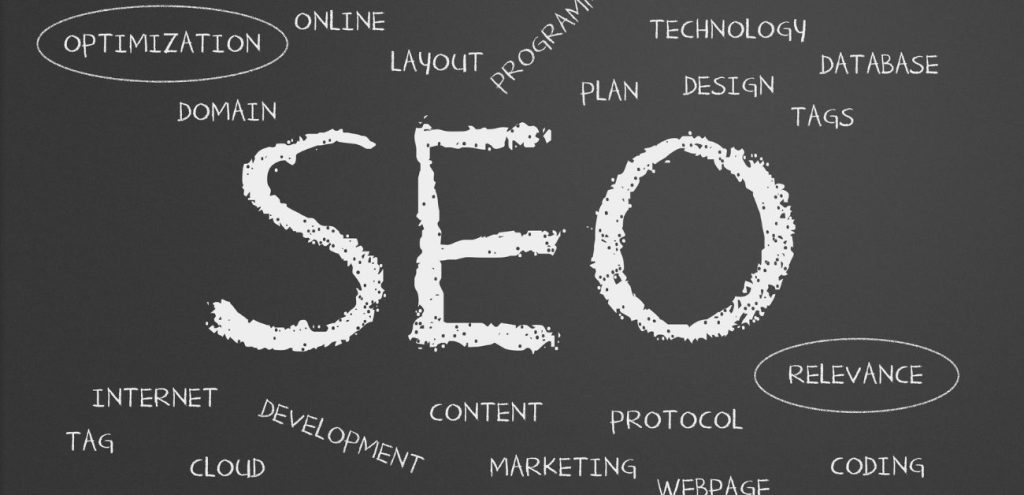
Contoh: Blog HubSpot mengenai ‘Strategi Penjanaan Pelanggan Potensi’ menduduki kedudukan tinggi di Google dan mendidik pemasar sebelum menawarkan CRM HubSpot sebagai penyelesaian.
Mengapa ia berkesan: Ia membantu prospek terlebih dahulu, membina kepakaran sebelum menjual.
2. Magnet Pimpinan & Sumber

Contoh: Laporan ‘State of Marketing’ Salesforce menawarkan pandangan percuma sebagai pertukaran untuk alamat e-mel.
Mengapa ia berkesan: Ia memberikan nilai sambil menangkap prospek yang berkelayakan.
3. Tutorial Video & Webinar

Contoh: Tutorial YouTube Ahrefs mengenai SEO menarik minat profesional yang mencari pendidikan – kemudian dengan halus menggalakkan percubaan produk.
Mengapa ia berkesan: Pembelajaran visual membina kepercayaan dan penglibatan.
4. Kempen Pemupukan E-mel

Contoh: Sebuah agensi B2B menghantar siri e-mel tiga bahagian – “Cara Mengoptimumkan Funnel Anda,” “Kajian Kes: Pertumbuhan Pimpinan 3x,” “Tempah Audit Percuma.”
Mengapa ia berkesan: Setiap titik sentuhan mendidik khalayak sebelum meminta tindakan.
5. Kajian Kes & Kisah Pelanggan

Contoh: Sebuah syarikat SaaS menerbitkan ‘Bagaimana Syarikat X Meningkatkan Konversi sebanyak 40%.’
Mengapa ia berkesan: Bukti membina kredibiliti dan memacu proses membuat keputusan.
Contoh Pemasaran Keluar
Outbound bergantung pada jangkauan proaktif untuk menarik perhatian – sering kali apabila khalayak tidak sedang mencari secara aktif.
1. E-mel sejuk atau panggilan sejuk

Contoh: Pasukan jualan B2B menghantar e-mel kepada prospek daripada senarai terpilih dengan tawaran demo produk.
Mengapa ia berkesan: Komunikasi langsung menyasarkan akaun tertentu tetapi boleh terasa mengganggu jika tidak disesuaikan.
2. Iklan Berbayar (Iklan Google atau LinkedIn)
Contoh: Sebuah syarikat fintech menjalankan iklan LinkedIn yang mempromosikan ‘Perundingan Percuma untuk CFO.’
Mengapa ia berkesan: Sangat sesuai untuk mencapai pembuat keputusan bernilai tinggi dengan cepat – tetapi kos meningkat selari dengan persaingan.
3. Pameran Dagang dan Persidangan

Contoh: Sebuah firma pembuatan mempamerkan di pameran industri untuk memaparkan teknologi barunya.
Mengapa ia berkesan: Interaksi bersemuka mencipta ingatan jenama yang kuat.
4. Iklan Mel Langsung atau Iklan Cetak

Contoh: Satu jenama hartanah mewah menghantar kad jemputan kepada para CEO untuk acara eksklusif.
Mengapa ia berkesan: Titik sentuh nyata menonjol dalam pasaran yang tepu dengan digital.
5. Iklan TV, Radio, atau Papan Iklan

Contoh: Sebuah syarikat logistik memasang papan iklan di lapangan terbang untuk kekal diingati oleh pengembara korporat.
Mengapa ia berkesan: Keterlihatan tinggi, walaupun sukar untuk mengukur pulangan pelaburan secara langsung.
Pemasaran Inbound vs Outbound (Secara Ringkas)
| aspek | Pemasaran Inbound | Pemasaran keluar |
| Pendekatan | Tarik (menarik secara semula jadi) | Tolak (hubungi secara langsung) |
| Gol | Mendidik dan membina kepercayaan | Meningkatkan kesedaran dengan cepat |
| Kecekapan kos | Tahap rendah dari masa ke masa (senyawa) | Tinggi, bayaran per capaian |
| Niat Penonton | Tinggi (bermotivasi diri) | Rendah hingga sederhana |
| Contoh | Blog, SEO, Webinar, Pemupukan e-mel | Iklan, panggilan sejuk, pameran perdagangan, papan iklan |
| Yang terbaik untuk | Pembinaan jenama jangka panjang | Penghasilan prospek jangka pendek |
Strategi B2B yang paling berkesan menggabungkan kedua-duanya:
- Gunakan inbound untuk mendidik dan memelihara (blog, SEO, automasi).
- Gunakan saluran keluar untuk memperluas jangkauan dan mempercepat penukaran (iklan LinkedIn, webinar, penargetan semula).
Sebagai contoh:
Agensi B2B menerbitkan ‘Panduan Penjana Pimpinan Inbound’ (inbound) → mempromosikannya melalui iklan LinkedIn yang menyasarkan CMO (outbound) → menangkap prospek → memelihara melalui automasi e-mel (inbound).
Begitulah cara anda mencampurkan magnet dengan megafon.
Pemasaran masuk membina hubungan; pemasaran keluar membina capaian.
Apabila digunakan bersama secara strategik, ia mencipta momentum – menarik pelanggan ideal anda lebih dekat sambil memastikan jenama anda sentiasa diingati.
Memilih Agensi Pemasaran Inbound atau Outbound

Dalam landskap digital yang sangat kompetitif hari ini, perniagaan tidak hanya memerlukan pemasaran, tetapi pemasaran yang tepat. Persoalannya ialah: patutkah anda bekerjasama dengan agensi pemasaran inbound yang membantu pelanggan mencari anda secara organik, atau agensi pemasaran outbound yang secara aktif mempromosikan jenama anda kepada khalayak sasaran anda?
Kedua-dua pendekatan berfungsi, tetapi atas sebab, bajet, dan matlamat yang berbeza. Memahami perbezaan akan membantu anda memilih rakan kongsi yang selari dengan strategi pertumbuhan anda.
Memahami Perbezaan
Apa yang dilakukan oleh agensi pemasaran inbound

Pemasaran inbound menumpukan pada menarik prospek melalui nilai, kepercayaan, dan penglibatan. Ia membina hubungan jangka panjang melalui kandungan yang membantu, SEO, dan automasi, bukannya jangkauan sejuk.
Perkhidmatan Tipikal:
- SEO dan pemasaran kandungan
- Penciptaan blog dan kepimpinan pemikiran
- Otomasi pemasaran dan pemeliharaan e-mel
- Penglibatan media sosial dan pembinaan komuniti
- Pengoptimuman corong penukaran
Yang terbaik untuk:
Perniagaan yang mahukan pertumbuhan organik lestari, autoriti jenama yang lebih kukuh, dan prospek berkualiti tinggi dari masa ke masa.
Contoh:
Sebuah firma perisian B2B bekerjasama dengan agensi inbound untuk menghasilkan blog kepimpinan pemikiran, menganjurkan webinar, dan membina autoriti SEO. Dalam tempoh enam bulan, prospek inbound meningkat sebanyak 60% – dan kos setiap prospek menurun dengan ketara.
Apa yang dilakukan oleh agensi pemasaran luar

Agensi pemasaran outbound dibina untuk kelajuan. Mereka mempromosikan jenama anda terus kepada pembeli berpotensi melalui pengiklanan, jangkauan, dan kempen promosi.
Perkhidmatan Tipikal:
- Media berbayar (Google Ads, Meta, LinkedIn, programmatic)
- E-mel sejuk atau kempen jualan keluar
- Pemasaran acara dan pameran perdagangan
- Hubungan awam dan jangkauan pengaruh
- Pemasaran berasaskan akaun (ABM)
Yang terbaik untuk:
Jenama yang memerlukan kesedaran pantas, jumlah prospek, atau penembusan pasaran — terutamanya semasa pelancaran produk baharu atau usaha persaingan.
Contoh:
Sebuah syarikat permulaan fintech bekerjasama dengan agensi outbound untuk menjalankan iklan LinkedIn yang menyasarkan CFO dan membuat susulan dengan siri e-mel yang diperibadikan. Kempen itu dengan cepat mengisi bahagian atas corong dengan prospek yang mempunyai niat tinggi.
Agensi Pemasaran Inbound vs Outbound: Perbandingan Utama
| Kategori | Agensi Pemasaran Inbound | Agensi Pemasaran Luaran |
| Gol | Membina keterlihatan dan kepercayaan jangka panjang | Hasilkan kesedaran segera dan prospek |
| Pendekatan | Tarik (didik dan tarik minat) | Dorong (ulurkan tangan dan yakinkan) |
| Garis masa | 6–12 bulan sehingga matang | Kesan segera tetapi tidak bertahan lama |
| Metrik | Lalu lintas organik, MQL, kualiti prospek | Kesan, CTR, jumlah prospek |
| Sesuai untuk | Jualan B2B yang kompleks, SaaS, perkhidmatan profesional | Pelancaran produk, peruncitan, kempen berasaskan acara |
Bagaimana Memilih Agensi Inbound atau Outbound yang Betul
1. Jelaskan Matlamat Perniagaan Anda

Sebelum membandingkan agensi, tentukan bagaimana rupa kejayaan:
- Adakah anda mencari keterlihatan jenama atau penjanaan prospek?
- Adakah anda memerlukan kemenangan jangka pendek atau pertumbuhan terkumpul jangka panjang?
- Adakah pasaran anda luas (daya tarikan massa) atau khusus (pembuat keputusan B2B)?
2. Nilai kepakaran dan rekod prestasi
Carilah pengalaman terbukti dalam industri anda. Agensi inbound atau outbound yang baik harus menunjukkan hasil yang boleh diukur, bukan sekadar reka bentuk yang mencolok.
Minta:
- Kajian kes dan metrik (pertumbuhan trafik, kos per lead, pulangan atas pelaburan).
- Rujukan atau testimoni daripada klien yang serupa.
- Pendekatan mereka terhadap analitik, atribusi, dan pelaporan.
3. Nilai Alat dan Susunan Teknologi Mereka

Agensi moden bergantung pada data dan automasi.
- Agensi inbound biasanya menggunakan HubSpot, ActiveCampaign, Ahrefs, atau GA4.
- Agensi outbound bergantung pada LinkedIn Ads, Salesforce, atau Apollo.io untuk penargetan dan jangkauan.
Pastikan ia boleh disepadukan dengan CRM anda dan menyediakan papan pemuka yang telus.
4. Faham Proses Kreatif dan Strategik Mereka

Tanya bagaimana mereka merancang kempen:
- Adakah mereka bermula dengan persona pembeli dan strategi kandungan (inbound)?
- Atau adakah mereka menekankan perancangan media berbayar dan skrip jangkauan (outbound)?
Anda mahukan rakan kongsi yang bukan sahaja melaksanakan tetapi juga berfikir secara strategik.
5. Carilah kesesuaian kerjasama

Budaya itu penting. Agensi yang tepat sepatutnya dirasai seperti sambungan pasukan anda – terbuka, berasaskan data, dan boleh menyesuaikan diri.
Bilakah memilih inbound berbanding outbound
| Senario | Pendekatan yang disyorkan |
| Anda ingin membina trafik organik dan autoriti. | Masuk |
| Anda melancarkan produk baharu atau memasuki pasaran baharu | Keluar |
| Anda mempunyai kitaran jualan B2B yang panjang dan berunding. | Masuk |
| Anda memerlukan penjanaan prospek pantas atau pendaftaran acara. | Keluar |
| Anda mahu mengimbangkan antara kepercayaan dan capaian. | Hibrid (Masuk + Keluar) |
Kelebihan Hibrid: Yang Terbaik dari Kedua-dua Dunia
Perniagaan paling berjaya hari ini menggabungkan kedua-dua strategi.
- Gunakan Pemasaran Inbound untuk menarik dan memupuk prospek berkualiti tinggi melalui SEO, kandungan, dan automasi e-mel.
- Gunakan Pemasaran Keluar untuk memperluas jangkauan dengan iklan ber sasaran, ABM, dan kempen penargetan semula.
Hasilnya? Sistem pertumbuhan saluran penuh yang menarik perhatian, membina kepercayaan, dan mempercepat penukaran.
Contoh:
Sebuah syarikat SaaS penjagaan kesihatan menerbitkan artikel kepimpinan pemikiran (inbound) sambil menjalankan kempen iklan LinkedIn yang disasarkan (outbound). Inbound membina autoriti; outbound memacu penglibatan. Bersama-sama, mereka mencipta pertumbuhan yang boleh diramalkan.
Kata Akhir

Pilihan anda sama ada memilih agensi pemasaran inbound atau outbound bergantung pada peringkat jenama anda, khalayak, dan matlamat pertumbuhan.
- Inbound adalah asas anda untuk kepercayaan jangka panjang dan kebolehkesanan.
- Outbound adalah pemecut anda untuk keterlihatan pantas dan penjanaan prospek.
Pada Agensi Pemasaran Singapura, Kami bekerjasama dengan pembekal dan rakan kongsi teknologi terkemuka untuk menyediakan ekosistem pemasaran menyeluruh berasaskan data yang menggabungkan strategi inbound dan outbound, memberikan jenama anda jangkauan yang sewajarnya dan kredibiliti yang diperlukan. Hubungi kami atau menjadualkan e-mesyuarat Hari ini untuk meneroka strategi inbound–outbound yang disesuaikan mengikut objektif perniagaan anda.

 Malay
Malay  English
  Chinese
  Korean