
Impulse Buying Psychology: Triggers That Drive Spontaneous Purchases
Not every purchase is planned. In fact, research consistently shows that a significant proportion of consumer spending — estimated between forty and eighty per cent depending on the category — is unplanned. These impulse purchases are not random or irrational. They are driven by specific psychological triggers that marketers can understand, ethically leverage, and optimise for. In Singapore’s highly connected consumer market, where shopping is both a necessity and a cultural pastime, understanding impulse buying psychology is essential for any business looking to maximise revenue.
Impulse buying occurs when a customer makes a purchase without prior planning, driven by an immediate desire that overrides deliberate decision-making. The triggers are diverse — emotional states, sensory stimulation, social influence, scarcity signals, and frictionless purchasing mechanisms all play roles. The rise of e-commerce and social commerce has created new impulse buying channels that did not exist a decade ago, with Singapore consumers increasingly making spontaneous purchases through TikTok Shop, Instagram Shopping, and Shopee’s flash sales.
This guide examines the psychology behind impulse buying and provides practical strategies for Singapore businesses to ethically optimise their customer experiences for spontaneous purchases in 2026. From understanding the emotional triggers that initiate impulse decisions to designing checkout flows and social commerce experiences that convert impulse intent into completed transactions, these insights will help you capture revenue that would otherwise go unrealised.
The Psychology Behind Impulse Purchases
Impulse buying is fundamentally a conflict between two mental systems. System 1 — fast, emotional, and automatic — generates the desire for immediate gratification. System 2 — slow, rational, and deliberate — evaluates whether the purchase is wise. Impulse buying occurs when System 1 wins this conflict, typically because the desire is strong, the friction is low, or System 2’s resources are depleted.
Why Impulse Buying Is Not Irrational
Dismissing impulse purchases as irrational underestimates their psychological function. Impulse buying often serves genuine emotional needs — stress relief, self-reward, mood enhancement, or social identity expression. A Singaporean professional who spontaneously buys a new outfit after a stressful week is not making an irrational decision — they are engaging in retail therapy that genuinely (if temporarily) improves their emotional state. Understanding this helps marketers frame impulse opportunities as genuine value rather than manipulation.
Key Psychological Drivers
- Immediate gratification bias — Humans are wired to prefer immediate rewards over future ones. A purchase that delivers instant pleasure (a new gadget, a delicious meal, a stylish accessory) is neurologically more compelling than saving for a future goal.
- Decision fatigue — As the day progresses and people make more decisions, their self-control depletes. Evening and late-night shopping — both online and in physical stores — shows higher impulse purchase rates because customers’ System 2 resources are exhausted.
- Social proof and FOMO — Seeing others purchase a product or hearing about limited availability triggers fear of missing out. This social pressure accelerates decision-making and bypasses deliberate evaluation.
- The endowment effect in imagination — When customers vividly imagine owning a product — trying it on, seeing it in their home, picturing themselves using it — they experience a form of psychological ownership that makes not buying feel like a loss.
Understanding these drivers is essential for effective digital marketing strategies that capture impulse purchase opportunities without exploiting customer vulnerability.
Emotional Triggers That Drive Impulse Buying
Emotions are the primary engine of impulse purchases. Both positive and negative emotional states can trigger spontaneous buying, though they operate through different mechanisms.
Positive Emotional Triggers
- Excitement and novelty — New product launches, limited editions, and exclusive drops create excitement that drives impulse purchases. Singapore’s sneaker culture, tech launch queues, and fashion drops demonstrate how novelty-driven excitement overcomes price sensitivity.
- Celebration and reward — Festive seasons, personal milestones, and achievements trigger self-reward purchases. Chinese New Year, Hari Raya, and Deepavali spending in Singapore is partly planned but substantially impulsive, driven by the celebratory emotional state.
- Social connection — Shopping with friends or family amplifies positive emotions and reduces inhibition around spending. Group shopping experiences — both physical and virtual through live shopping events — increase impulse purchase rates significantly.
Negative Emotional Triggers
- Stress and anxiety — Retail therapy is a genuine phenomenon. Purchasing provides a sense of control and agency when other aspects of life feel stressful. Singapore’s high-pressure work culture creates a population particularly susceptible to stress-driven impulse spending.
- Boredom — Idle scrolling through e-commerce apps and social media during commutes, waiting times, or downtime leads to impulse discoveries and purchases. Reducing the friction between browsing and buying capitalises on boredom-driven impulse moments.
- Fear of missing out — FOMO triggers a negative emotional state (anxiety about being left out) that is resolved through purchase. Flash sales, limited-time offers, and trending products all trigger FOMO-driven impulse buying.
Design your social media content to tap into positive emotional triggers authentically. Celebrating customer milestones, creating excitement around new launches, and building community joy are ethical approaches to emotional impulse marketing.
Sensory and Environmental Cues
The physical and digital environment in which purchasing decisions occur significantly influences impulse buying behaviour. Sensory cues — what customers see, hear, smell, and touch — shape emotional states and purchase intent.
Physical Retail Triggers
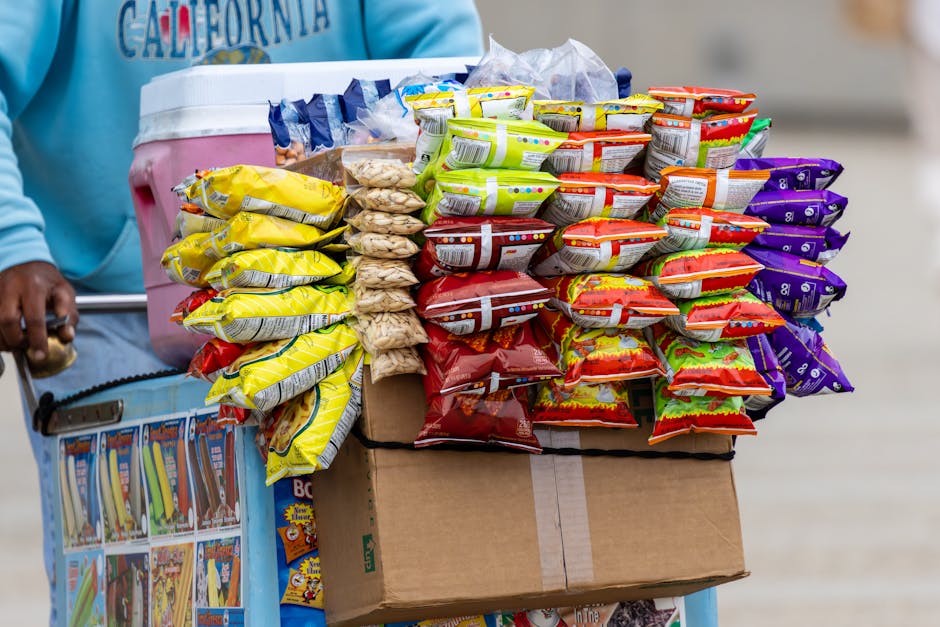
- Product placement — Items placed at eye level, near checkout counters, or at aisle end-caps receive disproportionate attention and impulse purchases. Singapore supermarkets and convenience stores like 7-Eleven and Cheers strategically position small, affordable items near payment points to capture last-minute impulse buys.
- Sensory marketing — Bakeries in Singapore shopping malls ventilate baking aromas into common areas, triggering hunger and impulse food purchases. Retail stores use specific lighting temperatures, music tempos, and even scents to create emotional states conducive to spending.
- Touch and trial — Physical interaction with products increases psychological ownership. Customers who pick up, try on, or test a product are significantly more likely to buy it impulsively. This is why Apple Stores encourage hands-on interaction and clothing retailers make trying on items easy.
Digital Environment Triggers
- Visual richness — High-quality product images and videos create desire more effectively than text descriptions. Multiple angles, lifestyle imagery showing the product in use, and video demonstrations all increase impulse purchase intent in e-commerce.
- Infinite scroll — Continuous content feeds (Instagram, TikTok, Shopee’s discovery feed) keep customers in a browsing state where impulse discoveries happen naturally. Each scroll reveals potential impulse triggers.
- Personalised recommendations — “Recommended for you” sections surface products aligned with the customer’s demonstrated interests, creating relevant impulse opportunities that feel serendipitous rather than pushy.
Design your laman web with these digital environmental factors in mind. Rich product imagery, intuitive browsing experiences, and well-placed personalised recommendations create an environment where impulse purchases happen naturally.
E-Commerce Impulse Optimisation
E-commerce has expanded impulse buying opportunities by making purchasing available anywhere, anytime. Optimising your e-commerce experience for impulse captures requires reducing friction while amplifying desire.
Reducing Purchase Friction
Every additional step between “I want this” and “I own this” gives System 2 time to intervene and override the impulse. Minimise friction through:
- One-click purchasing — Saved payment methods and shipping addresses enable near-instant purchases. Amazon’s patented one-click buy feature is perhaps the most famous impulse-enabling innovation in e-commerce history.
- Guest checkout — Requiring account creation before purchase introduces significant friction that kills impulse transactions. Allow guest checkout and offer account creation after the purchase is complete.
- Mobile-optimised checkout — Over seventy per cent of Singapore’s e-commerce traffic comes from mobile devices. A checkout flow that is clunky on mobile — tiny buttons, excessive scrolling, difficult form fields — loses impulse buyers who were ready to purchase.
- Multiple payment options — Accept PayNow, GrabPay, credit cards, and buy-now-pay-later options like Atome and Pace. Each payment method preference represents a potential friction point if it is not available.
Buy-Now-Pay-Later and Impulse Purchases
Buy-now-pay-later (BNPL) services have significantly increased impulse buying in Singapore by reducing the immediate financial pain of a purchase. When a customer can split a $200 purchase into four interest-free instalments of $50, the perceived cost at the point of purchase drops dramatically. BNPL providers like Atome, Pace, and Grab PayLater report that merchants offering BNPL see average order values increase by twenty to thirty per cent, largely driven by impulse purchases that customers would not have made if paying the full amount upfront.
Countdown and Urgency Elements
Time-limited offers create urgency that compresses the decision window, leaving less time for System 2 to intervene. Flash sales with visible countdown timers, limited-stock indicators, and deal-of-the-day promotions all accelerate impulse decisions. Singapore’s major e-commerce platforms use these techniques extensively during campaigns like 9.9, 11.11, and 12.12, creating concentrated impulse buying events that generate billions in transactions. Use these elements in your Google Ads landing pages to maintain urgency from advertisement click through to purchase.
Checkout Add-Ons and Cross-Selling
The checkout stage is a prime impulse opportunity because the customer has already committed to a purchase. Their buying mode is active, and their resistance to additional small purchases is lower than at any other point in the journey.
Effective Checkout Add-On Strategies
- Complementary products — Suggest items that genuinely complement the primary purchase. A customer buying a phone case might impulsively add a screen protector. A customer booking a hotel might add airport transfer. The key is relevance — suggestions must make intuitive sense.
- Low-cost additions — Checkout add-ons work best when they are significantly cheaper than the primary purchase. Adding a $5 item to a $50 cart feels negligible. Adding a $45 item to a $50 cart triggers re-evaluation of the entire purchase.
- Gift wrapping and upgrades — Simple service upgrades like gift wrapping, express shipping, or premium packaging are easy impulse add-ons that increase order value while providing genuine customer convenience.
- Charitable donations — “Round up to the nearest dollar for charity” is a powerful checkout add-on that increases the transaction value while generating positive emotional association. Several Singapore retailers have implemented this effectively, partnering with organisations like the Community Chest or Singapore Red Cross.
Placement and Presentation
Checkout add-ons must be presented without disrupting the purchase flow. They should appear as optional suggestions — a sidebar, a small module below the cart summary, or a brief interstitial — not as roadblocks that force engagement before proceeding. The moment add-on suggestions feel like obstacles to completing the purchase, they backfire by increasing cart abandonment rather than increasing order value.
Limit add-on suggestions to two or three items maximum. Choice overload at the checkout stage is particularly damaging because the customer is already committed and any confusion or hesitation increases the risk of abandonment. Ensure your content strategy for product descriptions makes the value of add-ons immediately clear — a single sentence explaining why the add-on complements the primary purchase is more effective than a detailed description.
Social Commerce and Impulse Buying
Social commerce — purchasing directly through social media platforms — has created entirely new impulse buying channels that blur the line between content consumption and shopping. In Singapore, social commerce is growing rapidly, driven by platforms like TikTok Shop, Instagram Shopping, and Facebook Marketplace.
Why Social Commerce Drives Impulse Purchases
- Discovery context — On social media, customers are in a content consumption mindset, not a shopping mindset. When a product appears organically in their feed — through an influencer review, a viral video, or a friend’s recommendation — the discovery feels serendipitous rather than commercial. This context lowers purchase resistance.
- Social proof is embedded — Product recommendations come wrapped in social proof: an influencer’s endorsement, friends’ likes and comments, engagement metrics that signal popularity. This social validation reduces the deliberation that would normally occur on an e-commerce site.
- Frictionless purchasing — In-app checkout on TikTok Shop and Instagram Shopping eliminates the friction of leaving the platform, navigating to an external website, and entering payment details. The purchase happens within seconds of the impulse trigger.
Live Shopping and Impulse
Live shopping — real-time video broadcasts where hosts demonstrate and sell products — is one of the most powerful impulse buying mechanisms in social commerce. Singapore’s live shopping scene has grown significantly, with brands and influencers hosting regular selling sessions on platforms like TikTok Live, Facebook Live, and Shopee Live.
Live shopping drives impulse purchases through multiple psychological mechanisms simultaneously:
- Urgency — Limited quantities and live-only pricing create time pressure
- Social proof — Seeing other viewers purchase in real-time validates the buying decision
- Entertainment — The engaging format puts viewers in a positive emotional state conducive to impulse buying
- Parasocial relationships — Regular viewers develop relationships with hosts, making their recommendations feel personal and trustworthy
- Interactive engagement — Q&A, live demonstrations, and real-time responses to viewer questions reduce uncertainty and objections on the spot
Optimising for Social Commerce Impulse
To capture impulse purchases through social commerce, ensure your product listings on TikTok Shop and Instagram Shopping are complete with compelling images, concise descriptions, and competitive pricing. Create content that naturally integrates product discovery without feeling like an advertisement. Partner with micro-influencers whose audiences align with your target demographic for authentic product demonstrations that trigger genuine impulse interest.
Pricing and Scarcity Triggers
Price presentation and scarcity signals are among the most direct triggers for impulse purchasing. How you frame prices and availability significantly impacts whether a customer acts immediately or defers their decision.
Price Anchoring
Displaying the original price alongside the discounted price creates an anchor that makes the deal feel more compelling. “~~$89~~ Now $49” triggers loss aversion — the customer perceives the $40 saving as something they would lose by not purchasing. This anchoring effect is even stronger when the discount is expressed as a percentage for higher-priced items and as an absolute dollar amount for lower-priced items.
Scarcity and Limited Availability
Scarcity increases perceived value and creates urgency. Effective scarcity signals include:
- Stock indicators — “Only 3 left in stock” creates urgency without feeling manipulative, provided the stock count is accurate.
- Limited editions — Products or packaging available only for a limited time drive impulse purchases from customers who fear the item will not be available later.
- Time-limited pricing — Flash sales with visible countdown timers compress the decision window. Shopee’s flash deals and Lazada’s limited-time offers drive massive impulse purchase volumes in Singapore.
- Seasonal availability — Products available only during specific seasons or festivals (Chinese New Year collections, National Day specials) create natural scarcity windows.
The Danger of False Scarcity
Fake scarcity — permanently displaying “Only 2 left!” or running “flash sales” that never end — erodes trust when customers notice the pattern. Singapore consumers are sophisticated and quick to share their cynicism on social media. Use genuine scarcity signals tied to real stock levels and actual time limits. If a sale extends beyond its original deadline, acknowledge it honestly rather than pretending each extension is a new “limited-time” opportunity. Align scarcity messaging with your broader SEO and content credibility to maintain long-term trust.
Ethical Considerations in Impulse Marketing
The power to trigger impulse purchases comes with ethical responsibilities. While impulse buying is a natural consumer behaviour that often delivers genuine satisfaction, there is a meaningful line between facilitating impulse purchases and exploiting psychological vulnerabilities.
Principles of Ethical Impulse Marketing
- Sell quality products — The most fundamental ethical principle is that impulse purchases should deliver genuine value. If customers feel buyer’s remorse after most impulse purchases from your brand, your tactics are succeeding but your products or prices are failing.
- Transparent pricing — All costs, including shipping and fees, should be visible before the purchase is completed. Hidden costs that emerge at checkout are the leading cause of both cart abandonment and post-purchase resentment.
- Easy returns — A generous return policy reduces the risk of impulse purchases, which paradoxically increases impulse buying by lowering the stakes. Customers who know they can return easily are more willing to take a chance on an impulse purchase.
- Honest scarcity — Only use scarcity signals that reflect genuine stock limitations or time constraints. False urgency erodes trust across your entire brand, not just the product in question.
- Respect vulnerable consumers — Be mindful of marketing practices that could exploit consumers in vulnerable situations. Aggressive email marketing to customers showing signs of compulsive spending patterns, or targeting impulse messaging at demographics known for financial vulnerability, crosses ethical boundaries.
The Long-Term View
The most successful impulse marketing strategies prioritise customer satisfaction alongside conversion. A customer who makes an impulse purchase and loves the product becomes a repeat buyer and potential advocate. A customer who feels manipulated into buying something they regret becomes a vocal detractor. In Singapore’s connected, review-driven market, the long-term cost of manipulative impulse tactics far exceeds the short-term revenue they generate. Build your impulse marketing on a foundation of genuine value, and the returns will compound over time.
Soalan Lazim
What causes impulse buying?
Impulse buying is caused by a combination of emotional triggers (excitement, stress, boredom, FOMO), environmental cues (product placement, sensory stimulation, visual merchandising), situational factors (decision fatigue, time pressure, social influence), and low purchase friction (saved payment methods, one-click buying, buy-now-pay-later). The strength of the impulse depends on how many of these factors converge at the moment of decision.
What percentage of purchases are impulsive?
Studies estimate that forty to eighty per cent of purchases involve some element of impulse, depending on the product category and retail channel. Grocery shopping tends toward the higher end, with many in-store additions being unplanned. Online fashion and electronics purchases also show high impulse rates, particularly during sales events. In Singapore, the combination of high smartphone penetration and popular flash sale platforms drives above-average impulse purchase rates.
How can e-commerce stores increase impulse purchases ethically?
E-commerce stores can ethically increase impulse purchases by reducing checkout friction (saved payment methods, guest checkout, mobile optimisation), providing rich product imagery and descriptions that create desire, offering relevant checkout add-ons at accessible price points, using genuine scarcity and urgency signals, and maintaining a generous return policy that reduces purchase risk. The ethical foundation is ensuring that products deliver genuine value and that all pricing and availability information is honest.
Does buy-now-pay-later increase impulse buying?
Yes. Buy-now-pay-later services increase impulse buying by reducing the immediate financial pain of purchasing. When a $200 purchase becomes four $50 instalments, the perceived cost at the point of decision drops significantly, lowering the threshold for impulse purchases. BNPL providers report that merchants offering these services see average order values increase by twenty to thirty per cent, driven largely by impulse purchases.
What is the role of social media in impulse buying?
Social media drives impulse buying through product discovery in content consumption contexts, social proof from influencers and peers, frictionless in-app purchasing, and emotional engagement through entertaining content. Platforms like TikTok Shop and Instagram Shopping have made the journey from discovery to purchase nearly seamless, enabling impulse purchases within seconds of seeing a product. Live shopping events on these platforms create particularly powerful impulse environments by combining urgency, social proof, and entertainment.
How do I balance encouraging impulse purchases with customer satisfaction?
Balance is achieved by selling quality products at fair prices, being transparent about all costs and availability, offering easy returns, and using genuine rather than fabricated urgency. Track post-purchase metrics like return rates, customer satisfaction scores, and repeat purchase rates alongside impulse conversion metrics. If impulse purchases consistently lead to returns or negative reviews, adjust your approach. The goal is to facilitate purchases customers are glad they made, not to trick people into buying things they regret.

 Malay
Malay  English
  Chinese
  Korean