
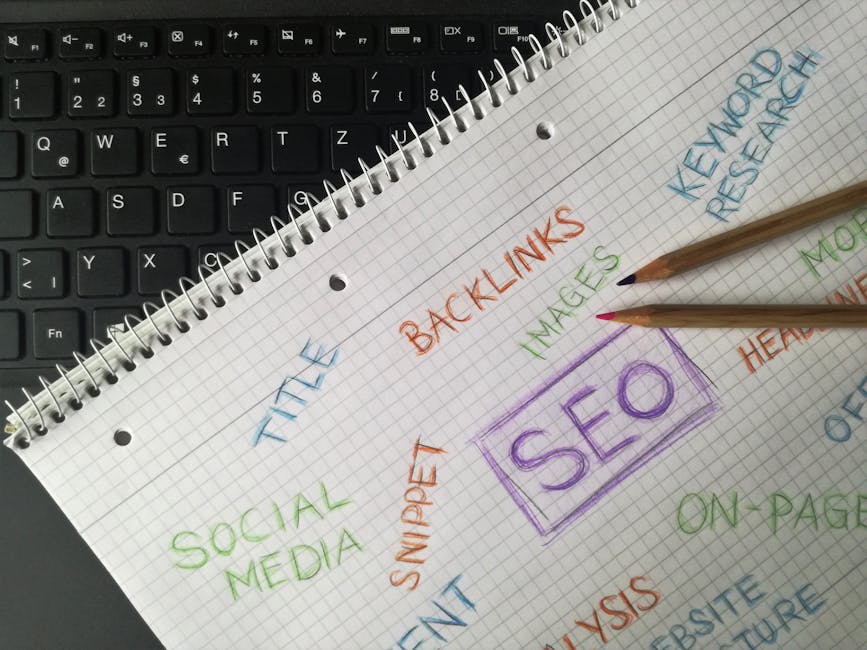
What Is a Backlink? Why Backlinks Matter for SEO
A backlink (also called an inbound link or incoming link) is a hyperlink on one website that points to a page on another website. In the context of search engine optimisation, backlinks serve as votes of confidence — when a website links to your content, it signals to search engines like Google that your content is valuable, credible and worth referencing. Backlinks are one of the most important ranking factors in Google’s algorithm and have been since the search engine’s inception, making them a cornerstone of any effective SEO strategy.
The concept is straightforward: if many reputable websites link to a particular page, search engines interpret this as evidence that the page contains high-quality, useful content that deserves to rank well. This link-based evaluation system, originally called PageRank, was the foundational innovation that made Google’s search results superior to earlier search engines. While Google’s algorithm has grown enormously more sophisticated since then, backlinks remain a critical ranking signal in 2026.
This comprehensive guide covers everything you need to know about backlinks — how they work, the different types of links, what makes a backlink high quality, proven strategies for earning backlinks and how to monitor and maintain a healthy backlink profile. Whether you are new to SEO or looking to refine your link-building strategy, this article provides the knowledge foundation you need.
How Backlinks Work
To understand why backlinks matter, it helps to understand how search engines use them to evaluate and rank web pages.
The vote analogy. Think of backlinks as votes in an election. Each backlink is a vote from one website saying “this content is worth linking to.” But not all votes are equal — a vote from a highly authoritative, relevant website carries far more weight than a vote from an obscure, unrelated site. Google’s algorithm evaluates both the quantity and quality of backlinks when determining how to rank pages.
Authority transfer. When a high-authority website links to your page, it passes some of its authority (sometimes called “link equity” or “link juice”) to your page. This transferred authority strengthens your page’s ability to rank in search results. The more authority a linking site has, the more it can pass along. This is why earning links from well-respected publications, industry leaders and established websites is so valuable.
Relevance signals. Beyond authority, search engines evaluate the topical relevance of backlinks. A link from a Singapore marketing blog to your marketing services page sends a stronger relevance signal than a link from an unrelated cooking website. Relevant backlinks help search engines understand what your content is about and which queries it should rank for.
Anchor text signals. The clickable text of a link (anchor text) provides search engines with additional context about the linked page’s content. If many sites link to your page with anchor text containing “digital marketing Singapore,” it signals to search engines that your page is relevant to that topic. However, over-optimised anchor text (identical keyword-rich anchors from many sites) can appear manipulative and trigger penalties.
Link graph analysis. Google analyses the entire web as a network (graph) of interconnected pages. Your position within this network — which sites link to you, which sites you link to, and how you connect to authoritative nodes in the graph — influences your perceived authority and trustworthiness. This holistic analysis is far more sophisticated than simply counting links.
Types of Backlinks
Not all backlinks are created equal. Understanding the different types of links helps you develop a nuanced link-building strategy and evaluate the links you earn.
Dofollow links. Dofollow links (the default link type) pass authority from the linking page to the linked page. When most people talk about backlinks in an SEO context, they mean dofollow links. These are the links that directly contribute to your search rankings by transferring link equity.
Nofollow links. Nofollow links include a rel=”nofollow” attribute that tells search engines not to pass authority through the link. Originally introduced in 2005 to combat comment spam, nofollow links are now used more broadly. While nofollow links do not pass authority in the traditional sense, Google has indicated since 2019 that it treats nofollow as a “hint” rather than a directive, meaning some nofollow links may still influence rankings indirectly.
Sponsored links. The rel=”sponsored” attribute identifies links that are part of paid arrangements — advertisements, sponsorships or other commercial agreements. Google expects paid links to use this attribute. Failing to mark paid links as sponsored can result in manual penalties. Sponsored links do not pass authority.
UGC links. The rel=”ugc” (user-generated content) attribute identifies links within user-generated content such as forum posts, comments and community contributions. This attribute helps search engines distinguish editorially placed links from user-contributed ones. UGC links carry less weight than editorial dofollow links.
Editorial links. Editorial links are the gold standard of backlinks. These are links placed by content creators, journalists or publishers because they genuinely believe the linked content adds value for their readers. Editorial links are earned through quality content, not requested or purchased. They carry the most authority and are the safest, most sustainable type of backlink.
Resource links. Resource links come from curated lists, guides and resource pages that compile useful links on a specific topic. Earning placement on relevant resource pages can provide valuable, long-lasting backlinks from authoritative sources in your industry.
Link Quality Factors
The quality of your backlinks matters far more than the quantity. Understanding the factors that determine link quality helps you prioritise your link-building efforts and evaluate potential link opportunities.
Linking domain authority. Links from high-authority domains carry more weight than links from low-authority domains. A single link from a major news publication, respected industry journal or well-established website can be more valuable than hundreds of links from obscure blogs. Use Moz DA, Ahrefs DR or similar metrics to evaluate potential linking domains.
Topical relevance. Links from websites and pages that are topically relevant to your content are more valuable than links from unrelated sources. A link from a digital marketing blog to your SEO guide is highly relevant. A link from a pet care blog to the same guide, while not harmful, carries less topical weight. Search engines use relevance to validate the link as a genuine endorsement.
Anchor text. The anchor text of a backlink provides context about the linked page’s content. Natural anchor text profiles include a mix of branded anchors (your company name), exact-match keyword anchors, partial-match anchors, generic anchors (“click here,” “learn more”) and URL anchors. An unnatural profile dominated by exact-match keyword anchors can trigger algorithmic filters.
Link placement. Where a link appears on a page affects its value. Links within the main body content (editorial links) carry more weight than links in sidebars, footers, navigation menus or author bios. Links that appear early in the content may carry slightly more weight than those buried at the bottom. Contextual links surrounded by relevant text are the most valuable.
Linking page traffic. Links from pages that receive genuine organic traffic are more valuable than links from pages with no traffic. This metric helps distinguish between real, discoverable content and pages that exist solely for link placement. A link from a high-traffic article sends both referral visitors and SEO signals.
Uniqueness of referring domains. Links from many different domains (referring domains) are more valuable than many links from a single domain. Once you have earned a link from a particular domain, additional links from the same domain provide diminishing returns. Prioritise earning links from new, unique domains to maximise your backlink profile diversity.
Earning Backlinks
The most sustainable approach to link building is creating content and experiences that naturally attract links. Here are proven methods for earning high-quality backlinks.
Original research and data. Publishing original research, surveys, studies and data analysis is one of the most effective link-earning strategies. Journalists, bloggers and content creators frequently cite original data in their articles, generating natural backlinks. A well-produced industry report or unique dataset can earn links for years after publication.
Comprehensive guides. In-depth, definitive guides on important topics in your industry attract links because they serve as reference resources. When someone needs to explain a concept to their audience, they link to the best available resource. Creating the most comprehensive, well-structured guide on a topic positions your content as the default reference. A strong content strategy prioritises these link-worthy assets.
Visual assets. Infographics, diagrams, charts and interactive tools earn links because they are easy to embed and share. A well-designed visual that explains a complex concept or presents interesting data will be used and credited by other publishers. Ensure your visual assets include an embed code that automatically includes a backlink.
Expert commentary. Offering expert quotes, insights and commentary to journalists and publishers earns links through attribution. Platforms like HARO (Help A Reporter Out), Qwoted and Terkel connect experts with journalists seeking sources. Regularly responding to relevant queries can generate high-quality media backlinks from authoritative publications.
Free tools and calculators. Creating useful free tools — ROI calculators, audit tools, assessment quizzes — attracts links from users and publishers who reference them. These interactive assets provide ongoing value and generate links long after their initial launch.
Thought leadership. Sharing unique perspectives, challenging conventional wisdom and contributing genuinely novel ideas to your industry’s discourse earns links from those who reference and discuss your viewpoints. Thought leadership requires genuine expertise and a willingness to take informed positions on industry topics.
Link Building Strategies
While earning links through content quality is ideal, proactive link-building strategies accelerate the process and ensure your content reaches potential linkers.
Guest posting. Writing articles for other websites in your industry — with a link back to your site in the author bio or content — is a well-established link-building strategy. Focus on contributing genuinely valuable content to respected publications rather than mass-producing low-quality guest posts. Quality guest posting builds authority, referral traffic and relationships, not just links.
Digital PR. Digital PR involves creating newsworthy stories, research and campaigns designed to earn coverage and links from journalists and publications. This might include launching original research, creating provocative industry commentary or developing creative campaigns tied to trending topics. Digital PR links from major publications carry significant authority.
Broken link building. This strategy involves finding broken links on other websites and suggesting your content as a replacement. Use tools like Ahrefs or Check My Links (browser extension) to identify broken outbound links on relevant pages, then reach out to the site owner with a helpful notification and suggestion to link to your equivalent content instead.
Resource page outreach. Many websites maintain resource pages — curated lists of useful links on specific topics. Identify relevant resource pages in your industry and reach out to request inclusion. Success rates are higher when your content genuinely belongs on the page and you personalise your outreach.
Relationship-based link building. Building genuine relationships with journalists, bloggers, industry peers and complementary businesses creates ongoing link opportunities. Engage with their content, share their work, attend events and provide value before asking for anything. Relationship-driven links are the most sustainable and tend to come from the most authoritative sources.
Competitor backlink analysis. Analyse your competitors’ backlink profiles to identify sites that link to them but not to you. These are potential link opportunities — if a site links to your competitor’s content on a topic, they may also link to your content if it is equal or better. Tools like Ahrefs and Semrush make competitor backlink analysis straightforward. For a detailed breakdown of link-building strategies relevant to Singapore, see our link building guide.
Toxic Backlinks
Not all backlinks are beneficial. Toxic backlinks are links from low-quality, spammy or manipulative sources that can harm your search performance rather than help it.
What makes a backlink toxic. Toxic backlinks typically come from link farms (networks of sites created solely for link manipulation), private blog networks (PBNs), spammy directories, irrelevant foreign-language sites, hacked websites and sites with thin or duplicate content. Links that are clearly bought, exchanged or created through automated tools are also considered toxic.
How toxic backlinks harm your site. Google’s algorithms (particularly Penguin, now integrated into the core algorithm) are designed to detect and discount manipulative link patterns. If Google detects a significant number of unnatural links pointing to your site, it may devalue those links (reducing their positive impact to zero) or, in severe cases, apply a manual penalty that suppresses your rankings entirely.
Identifying toxic backlinks. Regular backlink audits using Ahrefs, Moz or Semrush help identify potentially toxic links. Warning signs include links from domains with extremely low authority, links from sites in completely unrelated industries or languages, links with over-optimised anchor text, links from known spam networks and sudden spikes in backlink acquisition that you cannot explain.
Google’s Disavow Tool. If you identify toxic backlinks that you cannot get removed through direct outreach to the linking sites, Google’s Disavow Tool allows you to submit a list of domains or URLs that you want Google to ignore when evaluating your site’s link profile. Use the Disavow Tool carefully — disavowing legitimate links can harm your rankings. Only disavow links that are clearly manipulative or harmful.
Prevention. The best approach to toxic backlinks is prevention. Avoid purchasing links, participating in link schemes, using automated link-building tools or joining link exchange networks. Focus exclusively on earning legitimate links through quality content and genuine outreach. Regular monitoring of your backlink profile helps you catch and address toxic links early before they accumulate.
Checking Your Backlink Profile
Regularly monitoring your backlink profile is essential for understanding your SEO progress, identifying opportunities and catching potential problems early.
Google Search Console. Google Search Console provides a free view of the links Google has detected pointing to your site. The Links report shows your top linking sites, top linked pages, top linking text and external links total. While Search Console’s link data is not as comprehensive as third-party tools, it reflects Google’s own view of your link profile.
Ahrefs. Ahrefs has one of the largest backlink databases and provides detailed analysis of your link profile — referring domains, new and lost links, anchor text distribution, link types and linking page metrics. The Site Explorer tool is the go-to for most SEO professionals conducting backlink analysis. Ahrefs also offers a free backlink checker with limited data.
Moz Link Explorer. Moz’s Link Explorer shows your Domain Authority, linking domains, inbound links, ranking keywords and spam score. The spam score metric is particularly useful for identifying potentially toxic links. Moz offers limited free access, with full features available through Moz Pro subscriptions.
Semrush Backlink Analytics. Semrush provides comprehensive backlink analysis including referring domains, backlink types, anchor text, authority distribution and toxicity scores. The Backlink Audit tool specifically helps identify and manage toxic links, making it useful for maintaining a clean link profile.
What to monitor. Track these metrics monthly: total referring domains (growth trend), new links earned and lost links detected, authority distribution of linking domains, anchor text distribution, ratio of dofollow to nofollow links and any alerts for potentially toxic links. Set up automated monitoring in your preferred tool to receive notifications when significant changes occur.
Competitive benchmarking. Compare your backlink profile metrics with your main competitors to identify gaps and opportunities. If a competitor has significantly more referring domains or higher-authority links, investigate their link sources and strategies. Tools like Ahrefs’ Link Intersect feature show which sites link to competitors but not to you — these are prime outreach targets.
Backlinks for Singapore SEO
Building backlinks in the Singapore context presents unique characteristics that local businesses should understand.
Local link landscape. Singapore’s relatively small domestic media and publishing landscape means fewer local link opportunities compared to larger markets. However, quality local links from Singapore publications, business associations and government sites carry significant weight for locally targeted search campaigns. Earning links from The Straits Times, CNA, Business Times, HardwareZone and similar Singapore publications is highly valuable.
Business association directories. Singapore has an extensive network of business associations, chambers of commerce and industry groups that maintain online directories with member listings. Associations like the Singapore Business Federation, industry-specific trade associations and ethnic chambers of commerce provide legitimate directory links that also serve as trust signals.
Government and institutional links. Links from .gov.sg and .edu.sg domains carry significant authority. Opportunities include government grant recipient listings, research partnerships with universities, participation in government-supported programmes and contributions to institutional publications. While these links are harder to earn, they provide substantial authority benefits.
Regional link building. For Singapore businesses targeting the broader Southeast Asian market, building links from regional publications and industry sites extends your authority beyond the local market. Regional tech publications (Tech in Asia, e27, KrASIA), industry-specific portals and cross-border business networks provide link opportunities with regional relevance.
PDPA considerations. When conducting outreach for link building, be mindful of Singapore’s Personal Data Protection Act. Ensure that your outreach practices — particularly cold email outreach — comply with regulations regarding unsolicited communications and consent requirements.
자주 묻는 질문
How many backlinks do I need to rank?
There is no universal number. The backlinks needed to rank depend on the competition for your target keywords, the quality of your content and the authority of the sites linking to you. For low-competition local keywords, a handful of quality links may suffice. For competitive national or international keywords, you may need hundreds of referring domains. Focus on continuously earning quality links rather than targeting a specific number.
Are nofollow backlinks worthless?
No. While nofollow links do not pass authority in the traditional sense, they still provide value. They drive referral traffic, build brand visibility, diversify your link profile (a natural profile includes both dofollow and nofollow links) and may still influence rankings since Google treats nofollow as a hint rather than a strict directive. A nofollow link from a major publication is far more valuable than a dofollow link from a spam site.
Is buying backlinks safe?
No. Buying backlinks violates Google’s Webmaster Guidelines and carries significant risk. Google’s algorithms are increasingly effective at detecting paid link patterns, and the consequences — ranging from link devaluation to manual penalties — can severely damage your organic search performance. The short-term ranking boost from purchased links is not worth the long-term risk. Invest in earning links through quality content and legitimate outreach instead.
How do I know if a backlink is high quality?
Evaluate backlink quality using these criteria: the linking domain’s authority (DA/DR), the topical relevance of the linking site and page to your content, the placement of the link (body content is better than sidebar or footer), the traffic the linking page receives, whether the link is editorial (placed by a content creator because it adds value) and whether the link is dofollow. A link that scores well across most of these criteria is high quality.
How long does it take for a new backlink to impact my rankings?
The impact of a new backlink varies depending on how quickly search engines discover and index the linking page. Typically, it takes two to twelve weeks for a new backlink’s impact to be reflected in rankings, though the effect may be subtle and difficult to isolate from other ranking factors. Links from frequently crawled, high-authority sites tend to be discovered and valued faster than links from less prominent sources.


 Korean
  English
  Chinese
  Malay
Malay