
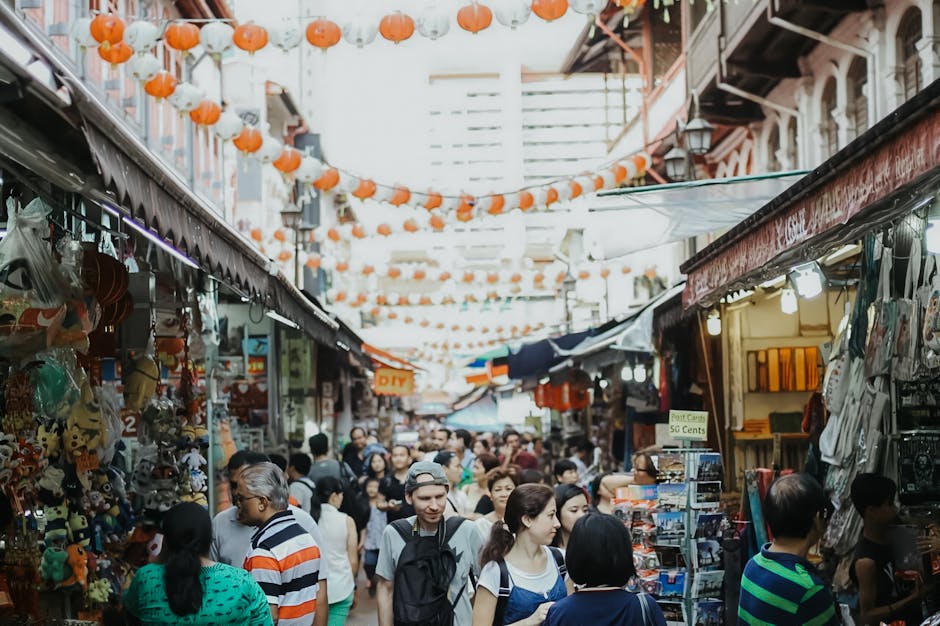
11.11 Singles’ Day Marketing Guide for Singapore Sellers in 2026
Singles’ Day on 11 November has become the largest online shopping event in the world, and its influence in Singapore grows stronger each year. Originally created by Alibaba as a celebration of single consumers treating themselves, 11.11 has expanded far beyond its origins into a mega-sale that rivals — and often surpasses — Black Friday in terms of gross merchandise value across Southeast Asia.
For Singapore sellers, 11.11 represents a critical revenue opportunity. Platforms like Shopee and Lazada invest heavily in marketing, driving massive traffic through television campaigns, celebrity endorsements, in-app games and aggressive voucher distributions. The challenge for individual sellers is cutting through the noise to capture their share of this traffic and convert browsers into buyers.
This guide walks Singapore sellers through every aspect of a winning 11.11 marketing strategy in 2026 — from platform-specific tactics and flash deal mechanics to livestream selling, self-treat messaging and social commerce approaches that drive real results.
Understanding 11.11 in the Singapore Market
Singapore’s position as Southeast Asia’s most digitally mature market makes it a powerhouse for 11.11 campaigns. With smartphone penetration above 90% and a population accustomed to mobile-first shopping, the conditions for a successful mega-sale are ideal. Singaporean consumers approach 11.11 with intention — many save wishlist items for weeks in advance, waiting for the deepest discounts of the year.
The competitive landscape during 11.11 is intense. Shopee and Lazada dominate the platform space, each deploying significant marketing budgets to capture consumer attention. Shopee’s in-app games, coin cashback and free shipping campaigns are particularly popular with younger demographics, while Lazada’s LazMall and brand flagship stores attract consumers seeking authenticity and premium products.
Beyond the major platforms, Singapore consumers also shop across brand websites, TikTok Shop and social commerce channels during 11.11. This multi-channel behaviour means that sellers who adopt an omnichannel approach — maintaining presence on platforms while also driving traffic to their own properties — can maximise their reach and profitability. A well-rounded digital marketing strategy ensures you are visible wherever your customers prefer to shop.
Shopee and Lazada Platform Tie-In Strategies
Maximising your performance on Shopee and Lazada during 11.11 requires understanding and leveraging each platform’s promotional tools well in advance. Both platforms open seller registration for 11.11 campaigns months early, and securing premium placement demands preparation.
On Shopee, register for the 11.11 Big Sale campaign as soon as nominations open, typically in September. Nominate your best-selling products for flash deals and ensure they meet Shopee’s discount requirements, which usually mandate minimum 20-30% off. Activate Shopee Ads — keyword ads and discovery ads — with increased budgets starting two weeks before 11.11. Use Shopee’s voucher tools to create shop vouchers (spend $50, save $8) that appear on your shop page and in consumer voucher wallets.
On Lazada, focus on LazMall branding if you qualify, as consumers associate the LazMall badge with trust and authenticity. Register for Lazada’s campaign landing pages and sponsored product placements. Lazada’s affiliate programme can extend your reach through content creators and deal-sharing communities. Use Lazada’s flexi-combo tool to create bundle deals that increase basket size.
For both platforms, optimise your product listings in the weeks before 11.11. Update product images with sale-specific banners, refine your product titles with relevant search keywords and ensure your product descriptions address common purchase objections. Strong product listings improve both organic search visibility within the platform and conversion rates once shoppers land on your page.
Flash Deals and Voucher Mechanics
Flash deals are the centrepiece of any 11.11 campaign. These time-limited offers create urgency, drive impulse purchases and generate significant traffic spikes. Structuring your flash deals strategically can mean the difference between a profitable 11.11 and a margin-eroding exercise in deep discounting.
Plan your flash deal schedule around peak traffic periods. On Shopee and Lazada, midnight on 11 November is typically the highest-traffic window, followed by the lunch hour (12pm-2pm) and evening period (8pm-midnight). Allocate your strongest deals — highest discount percentages on hero products — to these peak windows. Secondary deals can run during off-peak hours to maintain momentum throughout the day.
Voucher stacking is a powerful mechanic that Singapore consumers have learned to exploit. Platform vouchers, shop vouchers and bank-specific vouchers can often be combined, giving shoppers the perception of enormous savings. As a seller, factor voucher absorption costs into your pricing strategy. Calculate your effective selling price after all possible voucher combinations to ensure you maintain a viable margin.
Create tiered vouchers that incentivise higher spending. For example, offer $5 off $40 spend, $12 off $80 spend and $25 off $150 spend. This structure encourages shoppers to add items to reach the next discount threshold. Promote these vouchers prominently on your shop page, in your product listings and across your social media channels in the lead-up to 11.11.
Livestream Selling for 11.11
Livestream selling has become an integral part of the 11.11 experience in Singapore. Both Shopee Live and LazLive see massive viewership spikes during the campaign period, and sellers who incorporate livestreaming into their 11.11 strategy often see conversion rates two to five times higher than standard product listings.
Plan your livestream schedule to coincide with your flash deal windows. Go live at midnight on 11 November to capture the initial rush, then schedule additional sessions during lunch and evening peaks. Each livestream should have a clear structure: introduce the products, demonstrate their use, share exclusive livestream-only discounts and interact with viewers through the chat function.
Invest in your livestream setup. You do not need a professional studio, but good lighting, clear audio and a stable internet connection are non-negotiable. Use a ring light, a decent microphone and ensure your background is clean and on-brand. Display products clearly, show them from multiple angles and address viewer questions in real time.
Exclusive livestream vouchers and limited-quantity deals create reasons for viewers to stay engaged. Announce that a special voucher code will be shared at a specific time during the stream, or that the first 50 viewers to add a product to their cart will receive an extra gift. These mechanics boost viewer retention and create the interactive, gamified experience that Singapore shoppers enjoy during 11.11.
If hosting your own livestream feels daunting, consider partnering with established livestream hosts or key opinion leaders (KOLs) who specialise in product reviews and deal showcases. Many KOLs in Singapore have built loyal audiences specifically around mega-sale events and can introduce your products to thousands of engaged viewers.
Self-Treat Messaging and Campaign Angles
The original spirit of Singles’ Day — treating yourself — remains a powerful campaign angle that resonates strongly with Singapore consumers. While 11.11 has expanded beyond singles, the self-indulgence messaging continues to perform well, particularly for categories like beauty, fashion, electronics, food and lifestyle products.
Craft campaign messaging around permission to indulge. Phrases like “You deserve this,” “Treat yourself this 11.11” and “Because you’ve earned it” tap into the self-reward psychology that drives much of 11.11 spending. This messaging works especially well for products positioned as personal upgrades or small luxuries — a premium skincare set, wireless earbuds, a quality wallet or an upgraded kitchen appliance.
Consider creating a content marketing campaign built around gift guides — not just for others, but for oneself. A “Self-Love Gift Guide” or “11.11 Wish List: Things to Finally Buy Yourself” provides both inspiration and justification for purchases. This type of content performs well on social media, can rank for long-tail search terms and provides a natural framework for showcasing multiple products.
For brands targeting couples or group shoppers, position 11.11 as a shared experience. “Shop together, save together” campaigns with pair-buy discounts or refer-a-friend vouchers can expand your reach through word-of-mouth. Singapore’s strong social connectivity means that deal-sharing through WhatsApp groups and Telegram channels is extremely common during mega-sale events.
Social Commerce and Influencer Partnerships
Social commerce — the practice of selling directly through social media platforms — has matured significantly in Singapore. TikTok Shop, Instagram Shopping and Facebook Marketplace all offer integrated purchase paths that reduce friction between product discovery and transaction.
For 11.11, TikTok Shop deserves particular attention. The platform’s algorithm excels at surfacing deal-related content to interested users, and short-form video product showcases can go viral, generating thousands of sales in hours. Create TikTok content that demonstrates your product’s value proposition quickly — the first three seconds must hook the viewer. Use trending audio, clear text overlays showing the discount and a strong call-to-action directing viewers to your TikTok Shop listing.
Instagram remains crucial for brand-focused 11.11 campaigns. Use Instagram Stories to share countdown stickers, poll your audience on which deals they want to see and create “swipe for the deal” carousel posts. Instagram’s shopping tags allow users to tap on products within posts and Stories to view pricing and purchase directly.
Influencer partnerships amplify your 11.11 campaign across social platforms. In Singapore, micro-influencers (5,000 to 50,000 followers) often deliver better engagement rates and ROI than celebrity endorsements. Select influencers whose audience demographics match your target customer and brief them to create authentic, personal content rather than scripted advertisements. Provide them with unique discount codes to track attribution and incentivise their audiences.
Coordinate your social commerce efforts with your broader email marketing campaigns. Send emails directing subscribers to your social channels for exclusive content, behind-the-scenes deal reveals and livestream schedules. This cross-channel approach keeps your audience engaged across multiple touchpoints leading up to 11 November.
Paid Advertising and SEO for 11.11
A dual approach combining paid advertising with search engine optimisation ensures you capture both active deal-seekers and passive browsers during the 11.11 period.
For paid advertising, start building warm audiences in October. Run engagement campaigns on Facebook and Instagram targeting consumers interested in your product categories. When 11.11 approaches, retarget these warm audiences with conversion-focused ads featuring your specific deals. This two-phase approach significantly reduces cost-per-acquisition compared to launching cold traffic campaigns on 11 November itself.
Google 광고 should target high-intent search terms such as “11.11 deals Singapore,” “Singles Day sale [product category]” and “Shopee 11.11 best deals.” Create dedicated landing pages for these campaigns that load quickly, display your offers prominently and make the purchase path as frictionless as possible. Google Shopping ads are particularly effective for product-specific searches during the campaign period.
On the SEO front, publish deal roundup articles and gift guides on your blog four to six weeks before 11.11. Target keywords like “best 11.11 deals Singapore 2026,” “Singles Day sale guide” and category-specific terms. These pages can rank organically in time for the event, providing a free traffic source that complements your paid campaigns. Update these pages annually rather than creating new ones each year to preserve their domain authority.
Within the e-commerce platforms, internal search optimisation is equally important. Research trending search terms on Shopee and Lazada using their respective seller tools, and ensure your product titles and descriptions include these terms. Products that appear in platform search results receive significantly more visibility than those buried deep in category pages.
Measuring Success and Post-Campaign Optimisation
Effective measurement transforms 11.11 from a standalone sales event into a strategic learning opportunity. Define your key performance indicators before the campaign begins: total revenue, gross margin after discounts and voucher costs, new customer acquisition, average order value, return on ad spend and email list growth.
Track performance in real time on 11 November itself. Monitor which products are selling fastest, which ad sets are delivering the best ROAS and which flash deal windows generate the most revenue. Be prepared to reallocate ad spend, extend successful flash deals or adjust messaging based on live data.
After 11.11, conduct a thorough post-mortem analysis. Compare your results against pre-set targets and previous years’ performance. Identify what worked — which products resonated, which channels drove the most revenue, which creative assets converted best — and what did not. Document these insights in a centralised playbook that your team can reference for future campaigns including 12.12 and Black Friday.
Pay particular attention to customer acquisition costs during 11.11. If you acquired customers at a loss through deep discounts, you need a clear retention strategy to make those acquisitions profitable over time. Set up post-purchase email sequences, retargeting campaigns and loyalty incentives to convert 11.11 bargain hunters into repeat buyers. Consider working with a professional web design team to optimise your post-purchase customer journey and increase lifetime value.
자주 묻는 질문
When should Singapore sellers start preparing for 11.11?
Begin preparation in August or September 2026. Register for platform campaigns (Shopee 11.11 Big Sale, Lazada 11.11) as soon as nominations open. Finalise your product selection, pricing strategy and creative assets by early October. Launch teaser campaigns and audience-building activities at least three to four weeks before 11 November.
How do I stand out from thousands of other sellers on Shopee and Lazada during 11.11?
Focus on three areas: product presentation, customer service and post-purchase experience. Invest in professional product photography with sale-specific banners. Respond to customer enquiries within minutes during the campaign. Offer value-adds that competitors overlook — extended warranties, personalised packaging or handwritten thank-you notes. These details build trust and encourage repeat purchases beyond the mega-sale event.
Is livestream selling worth the effort for small Singapore sellers?
Yes, livestream selling is particularly effective for small sellers because it humanises the brand and builds personal connections that large retailers struggle to replicate. You do not need expensive equipment — a smartphone, ring light and stable internet connection are sufficient. Start with shorter streams (30-60 minutes) during peak traffic periods and focus on genuine product demonstrations rather than hard selling.
How much discount should I offer during 11.11 to remain competitive?
Discounts of 20-40% off are generally expected during 11.11 in Singapore. However, the perceived discount can be enhanced through voucher stacking, free shipping offers and bundle deals without eroding your margin as significantly. Calculate your floor price — the lowest price at which you remain profitable after all discounts and platform fees — and design your promotion structure around that figure.
Should I sell only on platforms or also promote my own website during 11.11?
An omnichannel approach is ideal. Platforms provide massive traffic but take commissions and limit your access to customer data. Your own website offers higher margins and full customer ownership. Use platforms for volume and new customer acquisition, while directing loyal customers and email subscribers to your own website with exclusive deals that are not available on marketplaces.
How do I handle returns and refunds after 11.11 without damaging profitability?
Build expected return rates into your margin calculations before setting discounts. Clearly communicate product specifications, sizing guides and return policies on your listings to reduce mismatched expectations. Process returns quickly and professionally — a smooth returns experience actually increases the likelihood of a customer shopping with you again during future campaigns.
 Korean
  English
  Chinese
  Malay
Malay