
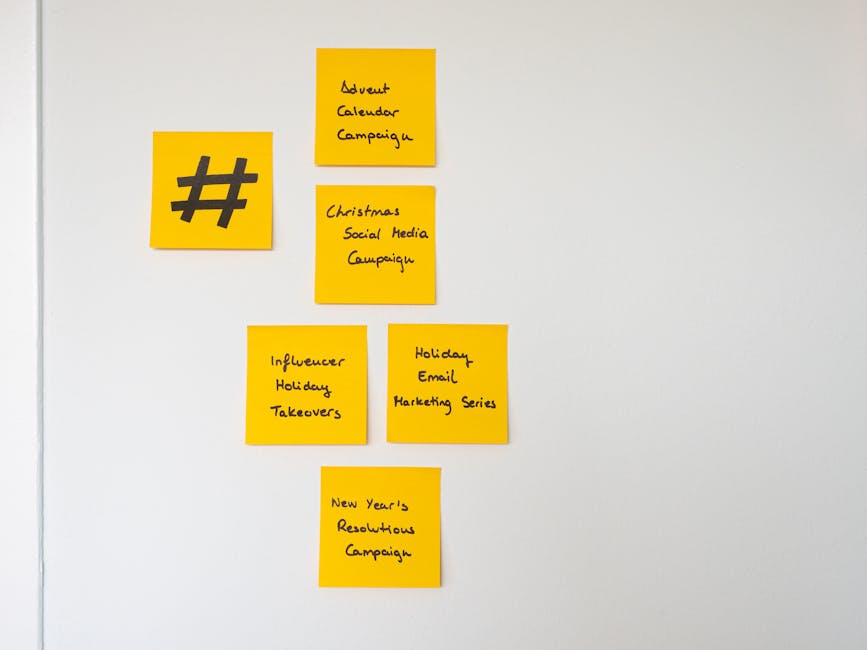
Seasonal Marketing Strategy: Plan Campaigns Around Key Dates in Singapore
Marketing success in Singapore is not about reacting to seasonal moments as they arrive. It is about anticipating them months in advance, preparing your assets and infrastructure well ahead of time, and executing with precision when the moment arrives. A well-crafted seasonal marketing strategy transforms your business from a reactive scrambler into a proactive market leader.
Singapore’s marketing calendar is uniquely rich and complex. As a multicultural nation, the city-state celebrates Chinese New Year, Hari Raya, Deepavali and Christmas alongside global commercial events like 11.11, Black Friday and monthly double-digit shopping dates. Add in National Day, the F1 Grand Prix and school holiday periods, and you have a calendar that demands disciplined planning and strategic foresight.
This guide provides a comprehensive framework for building your seasonal marketing strategy in 2026. From full-year campaign mapping and lead time planning to budget phasing and the critical balance between seasonal and evergreen marketing, you will find the practical tools needed to plan campaigns that consistently outperform.
The Full-Year Singapore Marketing Calendar
A successful seasonal marketing strategy begins with a comprehensive view of the entire year. Rather than planning quarter by quarter, the best marketers map the full twelve months at once, identifying peak periods, quiet windows and the connections between different seasonal moments.
Here is the complete 2026 marketing calendar for Singapore businesses, organised by quarter.
| Month | Key Dates and Events | Spending Intensity |
|---|---|---|
| January | New Year’s Day, Thaipusam, pre-CNY shopping | Medium-High |
| February | Chinese New Year, Valentine’s Day | High |
| March | International Women’s Day, school holidays | Medium |
| April | Hari Raya Aidilfitri, Good Friday, Easter | Medium-High |
| May | Labour Day, Mother’s Day, Vesak Day | Medium |
| June | School holidays, GSS, Father’s Day | Medium |
| July | 7.7 shopping event, Hari Raya Haji | Medium |
| August | National Day, 8.8 shopping event | Medium-High |
| September | 9.9 shopping event, Mid-Autumn Festival, F1 GP | Medium-High |
| October | 10.10 shopping event, Deepavali, Halloween | High |
| November | 11.11, Black Friday, Cyber Monday | Very High |
| December | 12.12, Christmas, New Year’s Eve | Very High |
Several patterns emerge from this calendar. First, there is no truly quiet month in Singapore. Even the traditionally slower months of March, May and July contain at least one notable event or holiday. Second, the year builds in intensity, with spending peaking in November and December. Third, cultural celebrations are distributed throughout the year, reflecting Singapore’s multicultural character and providing diverse marketing opportunities.
Use this calendar as the foundation for your annual marketing plan. Plot each event on a shared calendar, then work backwards to establish the planning, production and launch timelines for each campaign.
Lead Time Planning: When to Start Each Campaign
One of the most common reasons seasonal campaigns underperform is insufficient lead time. Starting too late means rushed creative, limited media options and missed opportunities for audience warming. The table below provides recommended lead times for different types of seasonal campaigns in Singapore.
| Campaign Type | Strategy and Planning | Creative Production | Launch Before Event |
|---|---|---|---|
| Major festive (CNY, Deepavali, Christmas) | 8-10 weeks prior | 6-8 weeks prior | 3-4 weeks prior |
| Cultural celebrations (Hari Raya, Vesak Day) | 6-8 weeks prior | 4-6 weeks prior | 2-3 weeks prior |
| Shopping events (11.11, Black Friday, 12.12) | 6-8 weeks prior | 4-6 weeks prior | 1-2 weeks prior |
| National events (National Day, F1 GP) | 6-8 weeks prior | 4-6 weeks prior | 2-3 weeks prior |
| Gift occasions (Mother’s Day, Father’s Day, Valentine’s Day) | 4-6 weeks prior | 3-4 weeks prior | 2-3 weeks prior |
| Double-digit events (7.7, 8.8, 9.9, 10.10) | 4-6 weeks prior | 2-4 weeks prior | 1 week prior |
These lead times may seem generous, but they account for the reality that most businesses have multiple campaigns running simultaneously and competing for team resources. Building adequate lead time into your planning prevents the quality compromises and team burnout that come from last-minute execution.
For your 콘텐츠 마케팅 efforts, SEO-focused seasonal content requires even longer lead times. If you want a Christmas gift guide to rank organically, it needs to be published by September or October to give search engines time to discover, index and rank the content before the peak search period in November and December.
Building a Seasonal Content Calendar
A seasonal content calendar is the operational backbone of your marketing strategy. It translates your strategic plan into a day-by-day execution schedule that keeps your team aligned and ensures nothing falls through the cracks.
Start by establishing your content pillars. These are the three to five core themes that define your brand’s content territory. Your seasonal calendar should layer timely, event-driven content on top of these permanent pillars. For example, if one of your pillars is “productivity tips for SMEs,” a January version might be “New Year Productivity Resolutions for Singapore Business Owners” while an August version might be “National Day Weekend Project: Streamline Your Business Operations.”
Structure your calendar in three tiers. Tier one consists of hero content tied to major seasonal moments. These are your biggest, most resource-intensive content pieces, such as comprehensive CNY gift guides, year-in-review reports or major campaign landing pages. Plan two to three hero pieces per quarter.
Tier two consists of hub content that provides regular seasonal relevance. These are mid-weight content pieces like blog articles, email newsletters and social media series that connect your brand to ongoing seasonal themes. Plan four to six hub pieces per month.
Tier three consists of hygiene content that provides always-on value regardless of the season. These are your evergreen blog posts, FAQ pages, how-to guides and product information pages that drive consistent organic traffic year-round. Maintain a steady production cadence of two to four pieces per month.
Your calendar should specify the content type, topic, target keyword, distribution channels, responsible team member and deadline for each piece. Use a shared tool that your entire team can access and update in real time. Consistency and visibility are more important than sophistication when it comes to content calendar tools.
Budget Phasing Across the Year
Effective budget phasing ensures your marketing spending aligns with consumer behaviour patterns and maximises the return on every dollar invested. A flat monthly budget is one of the most wasteful approaches a Singapore business can take, as it overspends during quiet periods and underspends when consumer intent is highest.
Here is a recommended annual budget distribution framework for Singapore businesses, expressed as a percentage of your total annual marketing budget.
| Quarter | Budget Allocation | Rationale |
|---|---|---|
| Q1 (Jan-Mar) | 22-25% | CNY spending peak, new year momentum, foundation setting |
| Q2 (Apr-Jun) | 18-22% | Building quarter, audience development, testing |
| Q3 (Jul-Sep) | 20-23% | National Day, F1, Q4 preparation investment |
| Q4 (Oct-Dec) | 30-38% | Peak season, multiple sales events, highest consumer spending |
Within each quarter, further phase your budget to concentrate spending around key events. For instance, within Q4, allocate roughly 20 percent to October, 40 percent to November and 40 percent to December. Within November specifically, front-load around 11.11 and Black Friday.
For paid advertising channels, budget phasing is particularly critical because cost-per-click rates vary significantly across the year. Ad costs in November and December can be 50 to 200 percent higher than in March or June, depending on your industry. Your budget needs to account for these cost increases to maintain consistent visibility during peak periods.
Review and adjust your budget allocation quarterly. If Q1 performance significantly exceeds or falls short of targets, reallocate budgets for Q2 and beyond accordingly. The annual plan should be a living document that evolves based on actual performance data, not a rigid allocation set in January and followed blindly for twelve months.
Balancing Evergreen and Seasonal Content
One of the most important strategic decisions in your seasonal marketing strategy is the balance between evergreen and seasonal content. Both types serve essential functions, and getting the ratio right is key to sustainable marketing performance.
Evergreen content is the foundation of your long-term search engine optimisation strategy. These are comprehensive, timeless resources that remain relevant regardless of the time of year. Examples include how-to guides, industry fundamentals, product comparison pages, glossaries and process explanations. Evergreen content drives consistent organic traffic month after month, providing a stable baseline of visitors, leads and conversions.
Seasonal content captures spikes in demand tied to specific dates, events or cultural moments. These pieces generate high traffic and engagement within narrow time windows but have limited long-term value. Examples include CNY gift guides, National Day campaign recaps, Black Friday deal roundups and holiday shopping checklists.
For most Singapore businesses, we recommend a 60/40 split, with 60 percent of your content production focused on evergreen topics and 40 percent on seasonal themes. This ratio ensures you are building long-term organic traffic while still capitalising on timely opportunities.
A hybrid approach can be particularly effective. Create content that is primarily evergreen but includes seasonal elements that can be updated annually. For example, a guide to “Digital Marketing Strategies for Singapore Businesses” is evergreen in its core advice but can be updated each year with current statistics, new platform features and recent case studies. This approach combines the longevity of evergreen content with the freshness signals that search engines reward.
Your social media content mix will naturally skew more seasonal than your blog or website content, as social platforms reward timely, trending content. A 40/60 split favouring seasonal content on social media is perfectly appropriate, as long as your website content maintains the inverse ratio.
Channel Strategy for Seasonal Campaigns
Different marketing channels play different roles in your seasonal strategy. Understanding how to deploy each channel effectively across the year maximises your overall marketing impact.
Search engine optimisation serves as your long-term seasonal foundation. SEO requires the longest lead times but delivers the most cost-effective traffic over time. Publish seasonal content three to six months before the relevant date to allow time for indexing and ranking. Update previous years’ seasonal content with fresh information rather than creating entirely new pages, as established URLs with existing authority will rank faster than new ones.
Paid search advertising provides immediate seasonal visibility. Use Google Ads to capture high-intent seasonal searches that your organic rankings may not cover. Bid on event-specific keywords like “11.11 deals Singapore” or “CNY hamper delivery” during their relevant periods. Adjust budgets dynamically based on search volume trends, and pause seasonal campaigns promptly after the event to avoid wasted spend.
Social media marketing drives seasonal awareness and engagement. Use organic social media to build anticipation before events, create real-time engagement during events and extend the conversation after events. Paid social media should focus on retargeting and conversion campaigns during peak seasonal periods when your warm audiences are most likely to purchase.
이메일 마케팅 is your most reliable seasonal channel. Unlike paid channels where costs spike during peak periods, email reaches your owned audience at a consistent cost. Build dedicated seasonal email sequences for each major campaign. Segment your list based on past seasonal purchasing behaviour to deliver more relevant offers. Use automated triggers to capture abandoned carts during high-traffic events like 11.11 and Black Friday.
Ensure all channels work together cohesively through consistent messaging, coordinated timing and shared audience data. A customer who sees your CNY ad on Instagram, receives your CNY email and finds your CNY content through Google should experience a unified brand message across all touchpoints.
Measuring Seasonal Campaign Performance
Measuring seasonal campaigns requires a framework that accounts for the unique characteristics of time-limited promotional periods. Standard marketing metrics still apply, but the context for interpreting them changes significantly.
Establish baseline metrics from non-seasonal periods to create a meaningful comparison point. Your conversion rate during a normal week in March serves as the baseline against which you measure the lift generated by your 11.11 campaign. Without this baseline, you cannot accurately quantify the impact of your seasonal efforts.
Track campaign-specific metrics including total revenue attributed to the seasonal campaign, incremental revenue above baseline, cost per acquisition compared to non-seasonal periods, return on ad spend for each channel, email campaign metrics for seasonal sends, and social media engagement and reach during the campaign period.
Analyse year-over-year trends for recurring events. Compare your 2026 CNY campaign performance against your 2025 CNY results, adjusting for any changes in budget, market conditions or competitive landscape. This longitudinal analysis reveals whether your seasonal marketing capabilities are improving over time.
Conduct post-campaign reviews within one week of each major seasonal event. While the details are still fresh, document what worked, what did not, what you would do differently and what resources you needed but did not have. Store these reviews in a shared location where they can inform next year’s planning. The most valuable marketing asset many businesses never create is a systematic record of campaign learnings.
For your overall digital marketing performance, separate seasonal campaign results from always-on programme results in your reporting. This prevents seasonal spikes from masking underlying performance trends in your core marketing activities and vice versa.
Common Seasonal Marketing Mistakes to Avoid
Even experienced marketers make predictable mistakes with seasonal campaigns. Being aware of these common pitfalls helps you avoid them in your own planning.
The first and most damaging mistake is starting too late. Every year, businesses scramble to launch CNY campaigns in January, 11.11 campaigns in November or Christmas campaigns in December. By the time these late starters are ready, competitors have already captured the early shoppers and the best ad placements. Start planning each seasonal campaign according to the lead time framework outlined earlier in this guide.
The second mistake is treating all seasonal events with equal intensity. Not every event is equally relevant to your business. A luxury brand may invest heavily in Christmas and Valentine’s Day while only lightly participating in 11.11. A children’s education company should prioritise back-to-school and school holiday periods. Identify the three to five seasonal events that matter most to your specific business and allocate your resources accordingly.
The third mistake is neglecting the post-event period. Consumer activity does not stop the moment a holiday or sales event ends. The days and weeks after CNY, 11.11 or Christmas present opportunities for follow-up campaigns targeting late shoppers, gift card redeemers and people who browsed but did not purchase. Build post-event sequences into your campaign plans.
The fourth mistake is sacrificing brand consistency for seasonal relevance. While your campaigns should reflect seasonal themes, they should still be unmistakably yours. A brand that looks completely different during every seasonal period confuses customers and dilutes brand equity. Establish guidelines for how seasonal themes are incorporated into your brand visual identity and messaging framework.
The fifth mistake is failing to learn from previous years. Each seasonal cycle provides data that should improve next year’s execution. If you do not systematically capture and review your seasonal campaign performance, you are doomed to repeat the same mistakes. Build post-campaign reviews into your process and ensure the insights are accessible to your team when planning begins for the next cycle.
Strengthening your website’s ability to handle traffic spikes and seasonal landing pages is another area often overlooked. Technical preparation is as important as creative preparation for seasonal success.
자주 묻는 질문
How far in advance should I plan my full-year seasonal marketing calendar?
Create your annual seasonal marketing calendar in November or December of the prior year. This high-level plan should identify all the seasonal events you will participate in, approximate budget allocations for each quarter and the key milestones for campaign planning and production. Detailed campaign plans can be developed quarterly, but the annual overview ensures your resources are allocated strategically and your team is not caught off guard by upcoming events.
How do I decide which seasonal events to participate in?
Evaluate each seasonal event against three criteria: relevance to your target audience, alignment with your product or service offerings, and potential return on investment based on historical data or industry benchmarks. A small business with limited resources should focus on three to five events that score highest across all three criteria, while larger businesses with dedicated marketing teams can participate in a wider range of events.
What is the ideal balance between seasonal and evergreen content?
For website and blog content, aim for a 60/40 split in favour of evergreen content. This ensures you are building long-term organic traffic while still capitalising on seasonal opportunities. For social media, the split can be inverted to 40/60 in favour of seasonal content, as social platforms reward timely, trending material. Email marketing should follow your promotional calendar, with seasonal campaigns during peak periods and value-driven evergreen content in between.
How should I adjust my seasonal strategy for a new business without historical data?
Start by researching industry benchmarks and competitor activity to understand which seasonal events matter most in your sector. In your first year, participate in major events at a conservative budget level, focusing on data collection as much as revenue generation. Track every metric meticulously so you have a solid baseline for planning your second year’s strategy. Consider starting with the two or three largest events, such as CNY and 11.11, where consumer spending is highest and the opportunity cost of not participating is greatest.
How do I maintain marketing momentum during quiet periods between seasonal events?
Use the intervals between seasonal peaks for three strategic activities: audience building through content marketing and lead generation, campaign testing through small-scale experiments with new formats and channels, and infrastructure improvement through website optimisation, email automation development and creative asset production. These quiet periods are not wasted time but rather the investment periods that make your peak-season campaigns more effective.
Should I create separate landing pages for each seasonal campaign?
Yes, but use a sustainable approach. Create permanent seasonal landing pages that you update annually rather than building new pages from scratch each year. For example, a page at /chinese-new-year-deals/ can be updated with current offers and imagery each January while retaining the SEO authority it has built over previous years. This approach saves production time and delivers better search engine results than creating and deleting new pages for each seasonal cycle.


 Korean
  English
  Chinese
  Malay
Malay