
Scarcity Marketing: How Urgency and Limited Supply Drive Sales
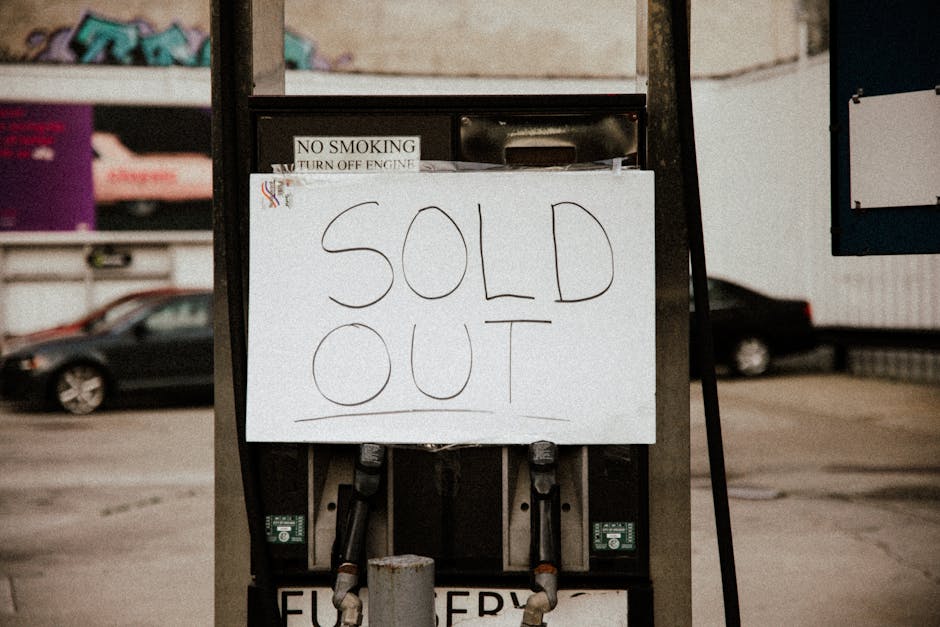
When something is rare, limited, or about to disappear, people want it more. This fundamental aspect of human psychology — known as the scarcity principle — is one of the most powerful tools in a marketer’s toolkit. From Shopee’s countdown timers during 11.11 flash sales to luxury brands limiting production runs, scarcity marketing drives action by tapping into a deep-seated fear that the opportunity will vanish.
The science behind scarcity is well established. Research in behavioural psychology demonstrates that perceived scarcity increases an item’s subjective value. When consumers believe a product is in limited supply or a deal is about to expire, they experience a psychological urgency that bypasses rational deliberation and accelerates purchase decisions. In Singapore, where kiasu culture amplifies this effect, scarcity marketing is particularly potent.
This guide covers the major scarcity marketing strategies, how to implement them across your digital marketing channels, and — critically — how to use scarcity ethically so that it builds trust rather than eroding it.
The Psychology Behind Scarcity Marketing
Scarcity marketing works because of deeply ingrained psychological mechanisms. Understanding these mechanisms helps you apply scarcity more effectively and avoid tactics that feel manipulative.
The primary psychological drivers behind scarcity include:
- Loss aversion — Humans feel the pain of missing something approximately twice as intensely as the pleasure of gaining it. When a limited-time offer is about to expire, the potential loss of a good deal motivates action far more than the deal itself.
- Reactance theory — When people feel their freedom to choose is being restricted (because a product is running out or an offer is ending), they desire the restricted option even more. Telling someone they “cannot” have something paradoxically makes them want it more.
- Social proof inference — Low stock signals that many others have already purchased, which suggests the product must be desirable. “Only 2 left” communicates both scarcity and popularity simultaneously.
- Perceived value increase — Rare things are perceived as more valuable. This is why limited-edition products command premium prices even when the functional difference from standard versions is negligible.
In the Singapore market, these psychological drivers are amplified by cultural factors. The kiasu mindset means consumers are primed to act on scarcity signals — they have been culturally conditioned to seize opportunities before they disappear. This creates an environment where well-executed scarcity campaigns can generate exceptional conversion rates.
However, this same cultural awareness means Singapore consumers are also highly attuned to fake scarcity. They have seen enough “LAST DAY — EXTENDED!” emails to recognise dishonest urgency. Authentic scarcity builds trust and drives sales. Fake scarcity destroys credibility and invites backlash.
Types of Scarcity: Time, Quantity, and Access
Scarcity marketing falls into three primary categories, each creating urgency through a different mechanism:
Time-Based Scarcity
Time-based scarcity uses deadlines to create urgency. The offer is available, but only for a limited window. Examples include:
- Flash sales lasting 24 hours or less
- Early-bird pricing that expires on a specific date
- Seasonal promotions tied to events (Chinese New Year, National Day, 11.11)
- Limited-time free shipping or bonus offers
- Course or webinar registration deadlines
Time-based scarcity is the most commonly used form because it applies to virtually any product or service. A Google Ads campaign promoting a time-limited offer can generate a significant uplift in click-through and conversion rates compared to the same offer without a deadline.
Quantity-Based Scarcity
Quantity-based scarcity signals that supply is limited. Once the available units are sold, the opportunity is gone. Examples include:
- “Only 5 left in stock” notifications on product pages
- Limited-edition product runs (e.g., 500 units only)
- Event tickets with limited seating
- First-come-first-served offers capped at a specific number
Quantity-based scarcity is particularly effective for e-commerce because it provides a concrete, visible indicator of demand. Booking.com and airline websites have mastered this — “3 seats left at this price” creates urgency grounded in real supply constraints.
Access-Based Scarcity
Access-based scarcity restricts who can access an offer, creating exclusivity. Only certain people qualify, which makes the opportunity feel more valuable. Examples include:
- VIP or loyalty member-exclusive sales
- Invite-only product launches
- Waitlist-based access to new products
- Member-only pricing or bundles
Access-based scarcity builds brand prestige and loyalty. It rewards existing customers while creating desire among those who are not yet part of the inner circle. For email marketing, offering exclusive early access to subscribers is a powerful combination of reciprocity and scarcity.
Countdown Timers and Deadline-Based Urgency
Countdown timers are one of the most visible and effective implementations of time-based scarcity. A ticking clock creates a visceral sense of urgency that static text alone cannot match.
Where to use countdown timers effectively:
- Product pages — Display a countdown for sales or promotions directly on the product page, near the “Add to Cart” button.
- Landing pages — Event registration pages, webinar sign-ups, and course enrolment pages all benefit from visible deadlines.
- Email campaigns — Animated countdown timers in promotional emails create urgency that drives click-throughs. Many email marketing platforms support dynamic countdown GIFs.
- Pop-ups — Exit-intent pop-ups showing a countdown timer for a limited offer can recover abandoning visitors.
- Ad copy — While you cannot embed a timer in an ad, referencing specific deadlines (“Offer ends 28 March”) creates urgency in your paid advertising.
Best practices for countdown timers:
- Use real deadlines — The timer must expire when it says it will. Resetting timers or extending deadlines undermines trust.
- Pair with value — A countdown timer alone is not enough. The offer behind the deadline must be genuinely compelling.
- Position strategically — Place timers near the call-to-action, where they reinforce the decision the customer is about to make.
- Do not overuse — If everything on your site has a countdown timer, none of them feel urgent. Reserve timers for genuine limited-time events.
Your website design should accommodate countdown elements without cluttering the page. A well-designed timer enhances urgency; a poorly designed one looks desperate.
Limited Stock Alerts and Low Inventory Triggers
Low stock alerts communicate quantity-based scarcity in real time. They work by surfacing inventory data to the customer, transforming a back-end number into a front-end urgency trigger.
Effective implementation of stock alerts:
- Dynamic stock counters — Display real-time inventory numbers on product pages. “Only 3 left” is more compelling than “Limited stock available” because specificity creates credibility.
- Threshold-based alerts — Only display stock alerts when inventory drops below a specific threshold (e.g., fewer than 10 units). Showing “847 in stock” does not create urgency — it creates complacency.
- Colour coding — Use visual cues like red text or warning icons when stock is critically low. These visual signals are processed faster than text and create an immediate sense of urgency.
- Size-specific scarcity — For fashion and apparel, showing stock levels by size (“Only 1 left in Medium”) can motivate faster decisions and reduce comparison shopping.
- Cart reminders — “Items in your cart are selling fast” notifications remind customers that the products they have selected may not be available if they delay. This is especially effective in cart abandonment email sequences.
Singapore e-commerce platforms have refined stock alert strategies through years of mega-sales. During 11.11 and 12.12 events, real-time stock depletion — visually displayed through progress bars showing what percentage has been claimed — creates a powerful competitive urgency where consumers race to purchase before others.
For service-based businesses, the equivalent of stock alerts is availability scarcity. “Only 3 consultation slots remaining this month” or “We accept only 10 new clients per quarter” communicates limited capacity and drives faster decision-making.
Exclusive Access and VIP Scarcity
Exclusive access scarcity works differently from time or quantity scarcity. Instead of creating urgency around a diminishing resource, it creates desire around a restricted opportunity. Not everyone can participate — and that exclusivity is precisely what makes it desirable.
Strategies for implementing access-based scarcity:
- Early access for email subscribers — Give your email list first access to new products, sales, or content before opening to the general public. This rewards subscribers and incentivises new sign-ups. It also generates initial sales momentum that creates social proof for the public launch.
- Loyalty tier exclusives — Reserve certain products, discounts, or experiences for top-tier loyalty members. Singapore consumers actively participate in loyalty programmes, and tier-based exclusivity motivates spending to reach or maintain higher tiers.
- Waitlists — Launching a new product with a waitlist creates demand before the product is even available. The waitlist itself becomes a form of social proof — “Join 2,000+ people on the waitlist” signals desirability.
- Invite-only events — Exclusive product previews, networking events, or VIP shopping nights create prestige and generate word-of-mouth marketing among those invited.
- Beta access — For SaaS and technology products, offering beta access to a select group creates exclusivity and generates valuable early feedback.
Access-based scarcity is particularly effective for building long-term brand value. While time and quantity scarcity drive immediate transactions, access-based scarcity builds emotional connection and loyalty. Customers who feel they are part of an exclusive group develop stronger brand attachment and higher lifetime value.
Scarcity Marketing in Singapore: What Works
The Singapore market has distinct characteristics that make certain scarcity strategies particularly effective:
Mega-Sale Events
The double-digit sale calendar (1.1, 2.2, through to 12.12) has created a structured scarcity rhythm that Singapore consumers actively plan around. Brands that participate in these events with genuine limited-time offers see significant sales spikes. Those that sit them out risk losing market share to competitors who do participate.
National Day and Festive Promotions
Singapore-specific events — National Day (9 August), Chinese New Year, Hari Raya, and Deepavali — provide natural time-bound promotional windows. Scarcity messaging tied to these events feels organic because the deadline is real and culturally relevant.
Pop-Up Retail and Limited Drops
Pop-up stores and limited product drops at locations like Orchard Road, Jewel Changi, and VivoCity generate intense interest precisely because they are temporary. The scarcity of both time (the pop-up is here for one weekend only) and access (only those who visit in person can purchase) creates powerful motivation.
Food and Beverage Scarcity
Singapore’s food culture amplifies scarcity marketing for F&B brands. Limited-edition menu items, seasonal flavours, and collaboration products (bubble tea chains partnering with confectionery brands, for example) generate enormous social media buzz and queues. The photograph of the queue becomes social proof that fuels further demand through social media channels.
Property and High-Value Purchases
For property launches and high-value purchases, quantity scarcity is standard practice and highly effective. “Only 15 units remaining” at a condo launch creates genuine urgency because supply is legitimately finite. This principle extends to high-value services — limited client capacity communicates quality and exclusivity.
Ethical Scarcity: Building Trust, Not Manipulation
Scarcity marketing is powerful, but it carries significant ethical responsibility. The line between persuasion and manipulation is crossed when scarcity claims are dishonest.
Common unethical scarcity practices to avoid:
- Fake countdown timers — Timers that reset when they reach zero, or deadlines that are routinely “extended,” destroy credibility. Consumers who discover the deception will not trust your brand again.
- Artificial stock limitations — Claiming “only 5 left” when you have warehouse full of inventory is dishonest. If discovered, it generates justified backlash.
- Perpetual sales — If your product is “on sale” every single day, the original price is not a genuine anchor — it is a fabricated reference point. Singapore’s Consumer Protection (Fair Trading) Act addresses misleading pricing practices.
- Pressure tactics on essential services — Using aggressive scarcity on services people need (healthcare, insurance, education) crosses ethical boundaries and can cause harm.
Ethical scarcity practices that build trust:
- Use real inventory data for stock alerts.
- Set genuine deadlines and honour them — when the sale ends, it actually ends.
- Limit the frequency of scarcity promotions so each one feels genuinely special.
- Be transparent about why something is limited — small batch production, limited consultation capacity, genuine seasonal availability.
- Combine scarcity with genuine value so customers feel good about their purchase, not pressured into it.
Building an effective marketing psychology strategy means using scarcity as one tool among many, not as a crutch. When scarcity is genuine and paired with real value, it serves both the business and the customer. The customer gets a product they want at a good price, and the business converts a prospect who might otherwise have procrastinated indefinitely.
자주 묻는 질문
Does scarcity marketing work for services as well as products?
Yes. Service-based businesses can use capacity scarcity (“We accept only 10 new clients per month”), time-based scarcity (“Book before 31 March for 2025 pricing”), and access-based scarcity (“Priority scheduling for retainer clients”). These work because they reflect genuine constraints — a consultancy genuinely has limited capacity, making the scarcity authentic.
How often should I run scarcity promotions?
Frequency depends on your industry and audience. Running flash sales or limited-time offers too frequently dilutes their effectiveness — consumers learn to wait for the next sale rather than buying at full price. For most Singapore businesses, major scarcity promotions work best when aligned with key retail events (11.11, Chinese New Year, mid-year sales) and limited to four to six major events per year, supplemented by smaller, targeted offers.
What is the most effective type of scarcity for e-commerce?
Real-time low stock alerts combined with time-limited promotions tend to generate the strongest results for e-commerce. The combination of “only 3 left” and “sale ends tonight” creates a dual urgency trigger. However, the effectiveness depends on the product category and price point. High-consideration purchases respond better to deadline-based scarcity, while impulse purchases respond well to stock alerts.
Can scarcity marketing backfire?
Yes. False scarcity — fake timers, artificial stock limitations, perpetually extended sales — erodes consumer trust and can generate negative publicity, particularly in Singapore’s active online community. Consumers who feel manipulated share their experiences on forums, social media, and review platforms. The short-term sales gain from dishonest scarcity is never worth the long-term brand damage.
How do I create scarcity for digital products with unlimited supply?
Digital products require manufactured but honest scarcity. Strategies include time-limited launch pricing (genuinely available only during a set window), cohort-based programmes (limited intake per session), bonus bundles available for a limited time, and early-access pricing for email subscribers. The scarcity must be real — if you say the launch price expires on Friday, it must actually expire on Friday.
Is scarcity marketing regulated in Singapore?
Singapore’s Consumer Protection (Fair Trading) Act protects consumers against unfair practices, including misleading price claims and deceptive marketing. While there is no specific regulation targeting scarcity marketing, practices like inflating original prices to create fake discounts or making false claims about stock availability could be considered unfair practices. The safest approach is simple — keep all scarcity claims honest and verifiable.

 Korean
  English
  Chinese
  Malay
Malay