
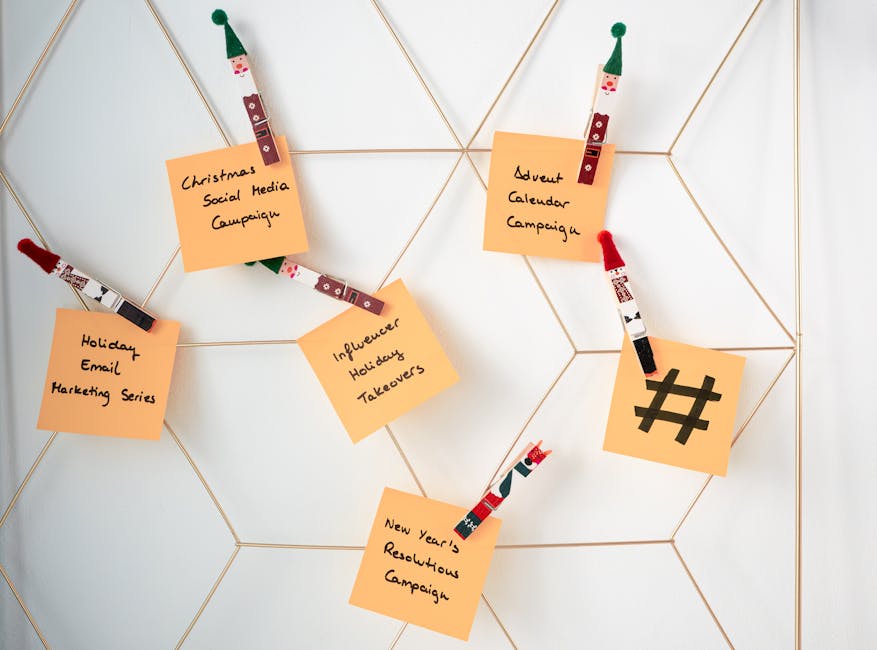
New Year Marketing Ideas: Start 2027 with Strong Campaigns in Singapore
The start of a new year brings a unique energy — consumers are motivated, optimistic, and actively seeking products and services that align with their fresh resolutions. For Singapore businesses, January represents a powerful marketing window where audiences are exceptionally receptive to messaging around new beginnings, self-improvement, and positive change.
In Singapore, the new year period carries additional significance. Beyond the 1 January celebrations, the anticipation of Chinese New Year creates an extended festive corridor that keeps consumer spending elevated well into late January and February. Smart marketers recognise this extended window and craft campaigns that bridge both occasions.
This article explores proven new year marketing ideas tailored for the Singapore market — from goal-setting content and promotional strategies to January wellness campaigns and planning content that positions your brand as a trusted partner for the year ahead.
Goal-Setting Content That Resonates
January is synonymous with goal-setting, and businesses that create content around this universal behaviour tap into powerful consumer psychology. People are actively searching for guidance, tools, and inspiration to help them achieve their new year resolutions.
Create industry-specific goal-setting guides that provide genuine value whilst naturally positioning your products or services as enablers. A fitness brand might publish “Your 2027 Wellness Roadmap for Singapore,” whilst a financial services company could offer “5 Money Goals Every Singaporean Should Set for 2027.” This type of 콘텐츠 마케팅 attracts organic search traffic and builds authority.
Interactive content performs exceptionally well during this period. Consider creating quizzes like “What’s Your Marketing Goal for 2027?” or calculators that help users plan budgets, timelines, or targets. These tools generate engagement, capture leads, and provide shareable moments for social media.
Share your own company’s goals for the year ahead. Transparency about your plans — new services, market expansion, team growth, or community initiatives — humanises your brand and gives your audience a reason to stay connected. In Singapore’s tight-knit business community, this kind of openness builds trust and encourages collaboration.
Partner with complementary businesses to create collaborative goal-setting content. A digital marketing agency might team up with a business coaching firm to produce a comprehensive “2027 Business Growth Guide for Singapore SMEs.” These partnerships expand your reach and add credibility through association.
New Year Promotions and Offers
Strategic promotions at the start of the year can drive significant revenue whilst acquiring new customers who are ready to invest in their goals. The key is aligning your offers with the aspirational mindset that defines January.
Launch “New Year, New You” promotions that connect your products or services to self-improvement themes. Subscription-based businesses can offer extended trial periods or discounted annual plans — capitalising on the commitment energy that peaks in early January. Frame these offers as investments in a better year rather than simple discounts.
Early-bird pricing for upcoming products, services, or events creates urgency whilst rewarding proactive customers. If you are planning new offerings for Q1 2027, announce them with special introductory rates for customers who commit early. Promote these through targeted Google Ads to capture high-intent searches.
Bundle deals that combine popular products or services offer perceived value whilst increasing average order values. A skincare brand might bundle a “New Year Skin Reset Kit,” whilst a B2B service provider could package an “Annual Marketing Kickstart Bundle” that includes strategy sessions, audits, and implementation support.
Consider launching a loyalty programme or refreshing your existing one at the start of the year. New programmes benefit from the January enthusiasm, and existing members appreciate updated rewards structures. Announce these changes prominently across your social media channels and email lists.
Flash sales during the first week of January can capture post-holiday bargain hunters. Keep these short — 24 to 48 hours — to maintain urgency. Use countdown timers on your website and in your ads to amplify the time-sensitive nature of these offers.
Fresh Start Messaging and Brand Positioning
The new year provides a natural opportunity to refresh your brand messaging, launch new positioning, or introduce updated visual elements. Consumers expect and welcome change at the start of the year, making it the ideal time for brand evolution.
Audit your brand messaging across all touchpoints — website, social media profiles, ad copy, email templates, and sales collateral. Does your current messaging reflect where your business is heading in 2027? Update taglines, value propositions, and calls to action to align with your new year strategy.
If you are planning a rebrand or significant visual update, January offers the perfect launch window. The “fresh start” narrative supports brand changes that might otherwise feel jarring. Your website design should reflect these updates seamlessly, ensuring consistency across all digital touchpoints.
Share your brand’s story of growth and evolution. Create content that takes your audience on a journey from where you started to where you are heading. This narrative approach builds emotional connection and differentiates your brand from competitors who simply push products.
In Singapore’s multicultural market, ensure your fresh start messaging is inclusive and culturally sensitive. Avoid assumptions about how different communities celebrate the new year and consider the upcoming Chinese New Year when crafting your January campaigns. Messaging that acknowledges and respects cultural diversity resonates more deeply with Singapore audiences.
January Detox and Wellness Campaigns
The “January detox” trend has become a global phenomenon, and Singapore is no exception. After weeks of festive indulgence, consumers actively seek products and services that support healthier lifestyles, clearer minds, and renewed energy.
Health and wellness brands should capitalise on this trend with targeted campaigns promoting detox products, fitness programmes, healthy meal plans, and mindfulness resources. Even businesses outside the wellness industry can tap into this theme — a tech company might promote “digital detox” tips, whilst a financial services firm could offer a “financial health check-up.”
Create a content series around the detox and wellness theme. A 30-day challenge, weekly tips, or daily motivational posts provide ongoing engagement opportunities throughout January. Encourage user participation and sharing to amplify your reach organically across social media platforms.
Partner with Singapore wellness influencers or health professionals to add credibility to your campaigns. Influencer collaborations that feel authentic — rather than purely transactional — generate stronger engagement and trust. Look for micro-influencers with highly engaged local followings rather than chasing follower counts.
Consider launching a corporate wellness initiative that positions your brand as an employer of choice. Share your team’s wellness activities, office health initiatives, or mental health support programmes. This employer branding content attracts talent whilst humanising your company to potential clients and customers.
For F&B businesses in Singapore, January is the ideal time to introduce healthier menu options, promote low-calorie or plant-based items, and create “guilt-free” dining experiences. Market these alongside your regular offerings to cater to the wellness-minded consumer without alienating your core audience.
Planning and Productivity Content
January is peak season for planning and productivity content. Professionals and business owners are actively seeking frameworks, tools, and strategies to organise their year ahead. Brands that provide this type of high-value content earn attention and loyalty.
Develop downloadable resources — templates, planners, checklists, and guides — that your audience can use throughout the year. A marketing agency might offer a “2027 Marketing Calendar Template for Singapore Businesses,” complete with local holidays, key shopping dates, and campaign planning frameworks. Gate these resources behind email sign-up forms to build your subscriber list.
Publish thought leadership content that addresses your industry’s outlook for 2027. Trend predictions, market analysis, and expert commentary position your brand as a knowledgeable authority. In Singapore’s competitive digital marketing landscape, businesses that demonstrate expertise through content consistently attract higher-quality leads.
Host webinars or workshops focused on planning and productivity themes. Topics like “How to Build Your 2027 Digital Marketing Plan” or “Productivity Systems for Singapore SME Owners” attract engaged audiences who are primed for conversion. Record these sessions and repurpose them as on-demand content for extended reach.
Create comparison and review content that helps audiences make informed decisions for the year ahead. “Best Marketing Tools for Singapore Businesses in 2027” or “Top E-commerce Platforms Compared” guides attract search traffic from high-intent keywords and provide genuine decision-making value.
Social Media Strategies for the New Year
Social media engagement patterns shift noticeably in January. Users return from holiday mode with renewed interest in professional and aspirational content. Adjust your social media strategy to match this mindset.
Launch a “New Year, New Goals” campaign that invites your audience to share their aspirations. User-generated content campaigns thrive during this period because people are naturally inclined to share their resolutions and plans. Create a branded hashtag, offer incentives for participation, and showcase the best contributions on your channels.
Refresh your social media profiles with updated cover images, bios, and pinned posts that reflect your 2027 positioning. First impressions matter, and new followers during January should encounter a brand that feels current and forward-looking.
Experiment with new content formats or platforms. If you have been considering short-form video, live streaming, or a new platform, January provides a natural starting point. The “fresh start” narrative gives you creative licence to try new approaches without needing extensive justification.
Plan a consistent posting schedule for at least the first quarter. Content calendars that account for Singapore-specific events — including Chinese New Year, Valentine’s Day, and Total Defence Day — ensure relevance and timeliness. Batch-create content during the quieter first week of January to maintain consistency throughout the month.
Invest in paid social campaigns targeting resolution-related interests and behaviours. Platforms like Facebook, Instagram, and TikTok offer sophisticated targeting options that allow you to reach Singapore users based on their interests, life events, and online behaviour during the new year period.
Email Campaigns That Drive January Engagement
Email marketing is one of the most effective channels for new year campaigns, offering direct access to an audience that already knows and trusts your brand. A well-crafted January email strategy can re-engage dormant subscribers, drive sales, and set the tone for ongoing communication throughout the year.
Start with a “Welcome to 2027” email that shares your brand’s vision for the year ahead. Keep it personal, warm, and forward-looking. Include a clear call to action — whether that is exploring new products, booking a consultation, or simply following you on social media for updates.
Segment your email list to deliver targeted new year messages. Recent purchasers might receive loyalty rewards, lapsed customers could get a “We miss you” re-engagement offer, and prospects who never converted may respond to a fresh introductory deal. Personalised segmentation consistently outperforms blanket broadcasts.
Create an automated email series around new year themes. A five-part “Kickstart Your 2027 Marketing” sequence, for example, delivers value over several weeks whilst keeping your brand top of mind. Each email should offer standalone value whilst building towards a compelling call to action.
Optimise your email campaigns for mobile devices. In Singapore, where mobile internet penetration exceeds 90 per cent, a significant majority of emails are opened on smartphones. Use concise subject lines, scannable layouts, and prominent call-to-action buttons that are easy to tap on smaller screens.
Test and iterate throughout January. A/B test subject lines, send times, content formats, and offers to identify what resonates most with your audience at the start of the year. The insights you gather now will inform your email marketing approach for the remaining months of 2027.
자주 묻는 질문
When should I launch my new year marketing campaigns?
Begin promoting new year campaigns in the last week of December to build anticipation, then launch your main campaigns on 1 or 2 January. For Singapore businesses, extend your new year marketing through to Chinese New Year to maximise the festive corridor. Early January campaigns benefit from lower advertising costs compared to the peak December period.
How do I create new year promotions that stand out in Singapore?
Focus on value and relevance rather than deep discounts. Align your promotions with common new year resolutions — health, productivity, learning, or financial goals. Use Singapore-specific messaging, reference local trends, and consider bundling your offers with complementary products or services to increase perceived value.
What types of content perform best in January?
Goal-setting guides, planning templates, industry trend predictions, and wellness content consistently perform well in January. Interactive content like quizzes and calculators also generates strong engagement. In Singapore, content that bridges the new year and Chinese New Year period tends to achieve the best results.
Should I change my brand messaging for the new year?
The new year is an excellent time to refresh your messaging, but wholesale changes should be planned carefully. Minor updates — taglines, visual elements, campaign themes — are appropriate and expected. Major repositioning should be supported by strategic rationale beyond simply “it is a new year.” Ensure any changes are consistent across all channels.
How can I re-engage lapsed customers in January?
Send personalised “fresh start” emails with exclusive re-engagement offers. Reference their previous interactions with your brand to show you value the relationship. Offer a compelling reason to return — a new product, improved service, or special discount. Keep the tone warm and non-pushy, emphasising what is new rather than dwelling on their absence.
What budget should I allocate for January marketing?
Allocate 10 to 15 per cent of your annual marketing budget to January campaigns. Advertising costs are typically lower in early January compared to the November–December peak, offering better return on investment. Invest more heavily in content creation and email marketing, which provide longer-lasting returns than short-term paid advertising alone.

 Korean
  English
  Chinese
  Malay
Malay