
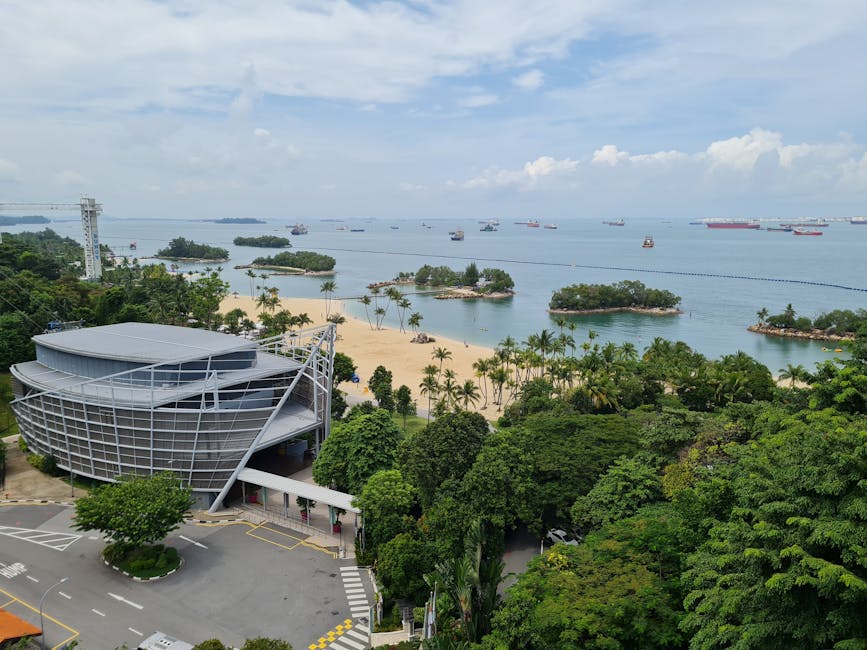
Marketing for Sentosa Businesses in Singapore
Sentosa is Singapore’s premier leisure and entertainment island, drawing over 19 million visitors annually across its beaches, theme parks, resorts, and attractions. From Universal Studios Singapore and S.E.A. Aquarium to beach clubs like Tanjong Beach Club and Rumours Bar, the island hosts a concentrated ecosystem of tourism and hospitality businesses. Yet many Sentosa operators still struggle with seasonality, competition for tourist attention, and the challenge of converting day-trippers into high-spending customers in 2026.
Marketing for Sentosa businesses is fundamentally different from marketing for businesses in Singapore’s urban core. Your customers are in leisure mode — they have time to browse, explore, and indulge, but they also have high expectations shaped by competing global destinations. The decision to visit a specific Sentosa attraction, restaurant, or beach club is often made days or weeks in advance, influenced by online reviews, social media content, travel blog recommendations, and promotions on online travel agencies (OTAs). Winning this pre-visit research phase is where most Sentosa marketing battles are fought.
This guide covers the marketing strategies that deliver results for Sentosa businesses — whether you operate a resort, a family attraction, a beach bar, a water sports provider, or a retail outlet. From optimising your presence on OTAs and travel platforms to running targeted campaigns for staycationers and international tourists, these are the tactics that help Sentosa businesses fill capacity and maximise revenue throughout the year.
Understanding Sentosa’s Visitor Segments
Sentosa attracts a remarkably diverse visitor base, and effective marketing requires understanding the distinct motivations and behaviours of each segment. A one-size-fits-all marketing approach will underperform compared to segmented campaigns that speak directly to each audience.
International tourists: Visitors from China, Indonesia, India, Australia, and other key source markets make up a significant portion of Sentosa’s traffic. They typically plan their visit weeks in advance, rely heavily on OTAs, travel review sites, and social media for discovery, and are willing to spend on premium experiences. Marketing to this segment requires strong presence on international platforms like Klook, Trip.com, TripAdvisor, and region-specific channels like Xiaohongshu for Chinese travellers.
Regional weekend visitors: Travellers from Malaysia, Indonesia, and other nearby countries who visit Singapore for short getaways often include Sentosa in their itinerary. They seek value-for-money packages that bundle accommodation, attractions, and dining. This segment responds well to weekend promotion bundles and holiday period campaigns.
Local staycationers: Singaporeans booking staycations on Sentosa represent a growing and valuable segment. They seek a resort experience without international travel — pool time, spa treatments, beach activities, and quality dining. Marketing to locals requires different messaging than tourist marketing, emphasising escape, relaxation, and exclusive resident promotions.
Day-tripping families: Families visiting Sentosa for a day of activities — theme parks, the beach, cable car rides, and attractions like Madame Tussauds or the S.E.A. Aquarium — make decisions based on value, convenience, and child-friendliness. They research on Google, check reviews, and look for family bundle deals.
Young adults and groups: Friends and social groups visiting Sentosa for beach clubs, water sports, and nightlife are highly influenced by social media, particularly Instagram and TikTok. They seek experiences that are visually appealing and shareable. Understanding these distinct audiences allows you to craft a digital marketing strategy that allocates budget and creative resources effectively.
OTA Partnerships and Travel Platform Marketing
Online travel agencies and experience platforms are among the most important marketing channels for Sentosa businesses. Platforms like Klook, GetYourGuide, Trip.com, Viator, and Traveloka serve as both discovery engines and booking channels for tourists planning their Singapore visit.
Start by listing your business on all relevant OTAs. Create compelling listings with professional photos, detailed descriptions, clear pricing, and strong calls to action. Your listing needs to stand out among dozens of competing attractions and experiences. Use high-quality images that capture the emotional appeal of your offering — the thrill of a ride, the tranquillity of a spa treatment, or the energy of a beach party.
Price your OTA offerings strategically. Many Sentosa businesses offer OTA-exclusive discounts of 10 to 20 per cent to drive volume through these channels. While OTAs charge commission fees (typically 15 to 25 per cent), the exposure and booking volume they deliver often justify the cost for businesses that would otherwise struggle to reach international tourists. Consider creating OTA-exclusive packages that bundle your core offering with add-ons — a theme park ticket with a meal voucher, or a spa treatment with a beach club day pass.
Actively manage your OTA reviews. Tourist decisions are heavily influenced by ratings and review volume on platforms like TripAdvisor and Klook. Respond to all reviews, encourage satisfied guests to leave feedback, and address negative reviews constructively. A strong review profile on OTAs functions as ongoing, free marketing that builds trust with potential visitors who have never heard of your business before.
Beyond OTAs, partner with the Sentosa Development Corporation (SDC) on island-wide promotions. SDC regularly runs marketing campaigns — such as the annual Sentosa FunFest and seasonal island-wide offers — that Sentosa businesses can participate in for increased visibility. Being featured in SDC’s marketing materials, website, and social media channels extends your reach significantly without additional advertising spend.
Staycation Marketing and Local Audience Targeting
The staycation trend has become a permanent fixture of Singapore’s leisure landscape since the early 2020s, and Sentosa remains one of the most popular staycation destinations for locals. Marketing to Singaporean staycationers requires a fundamentally different approach from tourist marketing.
Position your offering around the concept of escape. Singaporeans choosing a Sentosa staycation want to feel like they are on holiday without leaving the country. Your marketing messaging should emphasise relaxation, exclusivity, and a break from routine — not the tourist-oriented “must-see attraction” framing that works for international visitors. Use imagery and copy that evokes resort luxury, poolside relaxation, and unhurried experiences.
Create staycation packages that offer genuine value. Bundle accommodation with dining credits, spa treatments, attraction tickets, and late checkout. Singaporean staycationers are savvy consumers who compare packages across multiple properties. Your package needs to offer a compelling combination of value and experience that justifies the price. Highlight what is included clearly — hidden costs or confusing pricing are major deterrents for local bookers.
Market staycation promotions through channels that reach local audiences. Social media campaigns on Instagram and Facebook targeting Singapore-based users are essential. Partner with Singapore lifestyle influencers and staycation reviewers who have built followings around local travel content. Feature on local deal platforms and lifestyle publications like TimeOut Singapore, Honeycombers, and The Smart Local.
Timing matters for staycation marketing. Promote heavily ahead of public holidays, school holidays, and long weekends — these are peak booking periods for Sentosa staycations. Create early-bird promotions that incentivise advance booking and help you manage occupancy forecasting. For off-peak periods, offer mid-week staycation deals with added inclusions to attract flexible travellers such as retirees, freelancers, and couples without children.
Develop a dedicated staycation landing page on your website optimised for keywords like “Sentosa staycation package 2026,” “beach resort staycation Singapore,” and “Sentosa hotel deals.” This page should load quickly on mobile, display packages clearly, and include a seamless booking flow. Invest in professional web design that reflects the premium experience you are selling.
Social Media and Visual Content Strategies
Sentosa is one of the most visually compelling locations in Singapore, and social media is where that visual appeal translates directly into business results. The island’s beaches, sunsets, attractions, and resort settings provide a natural content advantage that savvy businesses leverage to drive awareness and bookings.
Invest in professional visual content creation. Hire photographers and videographers who specialise in hospitality and lifestyle content. A library of high-quality images and videos — drone footage of the beach, slow-motion cocktail pours, families enjoying your attraction, couples at sunset — provides assets that fuel months of social media posts, advertisements, and website content.
Create Instagrammable moments within your business. Design spaces, installations, or experiences that customers naturally want to photograph and share. A dramatic infinity pool view, a uniquely presented dish, a colourful photo wall, or a stunning sunset vantage point can generate hundreds of user-generated posts that market your business organically. Encourage sharing with subtle prompts — a small sign with your Instagram handle, a custom hashtag, or a photo-worthy branded prop.
Use TikTok strategically. Sentosa experiences — water slides, cable car views, beach activities, resort tours — are perfect for the short-form video format. Create content that captures the excitement and emotion of the experience. Behind-the-scenes content, staff spotlights, and “day in the life at Sentosa” videos humanise your brand and generate engagement. TikTok’s algorithm can propel a single video to hundreds of thousands of views, delivering awareness that would cost thousands of dollars in paid advertising.
For Chinese tourist markets, maintain an active presence on Xiaohongshu (Little Red Book) and Douyin (the Chinese version of TikTok). Chinese tourists heavily rely on these platforms for travel inspiration and planning. Create content in Mandarin that showcases your Sentosa offering through a lens that appeals to Chinese travellers — luxury, uniqueness, and photo-worthy moments.
Family and Kids Activity Marketing
Families represent one of Sentosa’s largest visitor segments, and marketing to parents requires specific strategies that address their unique decision-making process. Parents research extensively, prioritise safety and convenience, and seek activities that entertain children while allowing adults to enjoy themselves too.
Create content that answers parents’ questions before they even visit. Blog posts like “Best Activities for Kids on Sentosa,” “Sentosa with Toddlers: A Complete Guide,” and “Rainy Day Activities on Sentosa Island” rank well in organic search and attract parents in the planning phase. This informational content builds trust and naturally promotes your business as part of a broader Sentosa family itinerary.
Design family bundle packages that offer convenience and value. Parents want to simplify their day out — a single package that includes attraction entry, lunch, and a small souvenir reduces decision fatigue and feels like a better deal than purchasing everything separately. Promote these bundles prominently on your website, OTA listings, and social media channels.
Leverage school holiday periods with targeted campaigns. Singapore’s school holidays in March, June, September, and November/December represent peak family visit periods. Start promoting school holiday specials four to six weeks before each holiday begins. Create limited-time offerings, early-bird discounts, and exclusive experiences that create urgency and incentivise advance booking.
Partner with family-oriented brands and platforms for cross-promotion. Collaborate with other Sentosa family attractions to create multi-attraction passes. Advertise on parenting websites and apps like KiasuParents, SingaporeMotherhood, and Little Day Out. Sponsor family events and children’s workshops to build brand awareness among the parent community.
Ensure your marketing materials reflect diversity and inclusivity. Singapore’s families come from Chinese, Malay, Indian, Eurasian, and expatriate backgrounds. Your imagery and messaging should represent this diversity naturally, helping all families see themselves enjoying your attraction or venue.
Beach Club and Nightlife Promotion
Sentosa’s beach clubs — including Tanjong Beach Club, Rumours Bar, and others along Siloso, Palawan, and Tanjong beaches — occupy a unique niche in Singapore’s entertainment landscape. They offer a daytime-to-nighttime experience combining beach relaxation, poolside socialising, quality dining, and party atmospheres that no mainland venue can replicate.
Market the lifestyle, not just the venue. Beach club customers are buying an experience and a social identity — the aspiration of a laid-back, sun-soaked, socially connected lifestyle. Your visual content should tell this story consistently across all channels. Lifestyle photography featuring attractive, diverse groups enjoying the beach, pool, food, and sunset creates an aspirational pull that drives bookings.
Build a strong events calendar anchored around weekends and holidays. Pool parties, sunset DJ sessions, themed brunches, and full-moon parties give customers specific reasons to visit and create marketing moments you can promote in advance. Partner with DJs, artists, and entertainment acts that attract your target demographic. Promote events through Instagram, TikTok, and targeted Google Ads campaigns that capture high-intent searches like “beach party Singapore this weekend.”
Manage capacity and exclusivity strategically. During peak periods, implement reservation systems that create a sense of scarcity and ensure a quality experience. Promote advance reservations with perks like guaranteed seating, priority entry, or a welcome drink. This approach not only improves the customer experience but also provides valuable data for your marketing — email addresses, phone numbers, and booking preferences that fuel future remarketing campaigns.
Address the accessibility challenge head-on. Getting to Sentosa’s beaches requires more effort than visiting a mainland venue, which can deter spontaneous visits. Use your marketing to emphasise ease of access — the Sentosa Express from VivoCity, free island bus services, and convenient parking options. Offer promotions that offset the perceived hassle, such as complimentary Sentosa Express tickets with a minimum spend.
Search Engine Marketing for Tourism Businesses
Search engines remain the starting point for most Sentosa visit planning. Whether a tourist is searching “things to do in Sentosa” or a local is looking for “Sentosa beach club brunch,” appearing prominently in search results directly impacts your visibility and revenue.
Develop a comprehensive SEO strategy targeting tourism and leisure keywords. Map out the search terms your potential customers use at each stage of their journey — from broad research queries like “Sentosa attractions” to specific booking queries like “Universal Studios Singapore tickets discount.” Create dedicated web pages optimised for each major keyword cluster.
Invest in Google Ads for high-intent commercial keywords. Terms like “Sentosa hotel booking,” “USS tickets 2026,” and “Sentosa beach club reservation” indicate strong purchase intent. Running search ads on these keywords captures customers at the point of decision. Use ad extensions to display pricing, reviews, and direct booking links that streamline the conversion path.
Create a content hub on your website that covers Sentosa-related topics comprehensively. Guides, tips, and articles about visiting Sentosa attract organic search traffic and position your business as a helpful local resource. Topics like “How to Get to Sentosa,” “Sentosa on a Budget,” and “Best Sentosa Restaurants” attract thousands of monthly searches and provide natural opportunities to promote your offerings within genuinely useful content.
Optimise for voice search and featured snippets. Tourists increasingly use voice search on their phones — “Hey Google, what’s the best beach club on Sentosa?” — and Google pulls answers from featured snippets. Structure your content with clear headings, concise answers, and FAQ formats that increase your chances of appearing in these prominent search positions.
Track your search performance by source market. Use Google Analytics and Search Console to understand which countries and languages drive traffic to your website. If you see growing traffic from India or China, consider creating content and landing pages in Hindi or Mandarin to capture that demand more effectively.
Seasonal Campaigns and Revenue Optimisation
Sentosa businesses face pronounced seasonality — peak periods during school holidays, public holidays, and festive seasons can be followed by significantly quieter stretches. Smart seasonal marketing smooths out these revenue fluctuations and maximises earnings during both peak and off-peak periods.
Map your annual marketing calendar to Singapore’s key periods. Peak demand typically occurs during Chinese New Year (January/February), March school holidays, June school holidays, National Day period (August), September school holidays, and the year-end festive season (November/December). Plan your marketing campaigns, pricing strategies, and staffing around these periods.
During peak periods, focus on yield maximisation rather than volume. Raise prices where the market supports it, offer premium add-ons and upgrades, and reduce discounting. Your marketing during peak periods should emphasise availability and urgency — “limited spots remaining” and “book now for guaranteed entry” messaging creates urgency that drives advance bookings at full price.
During off-peak periods, shift your focus to value-driven promotions that attract price-sensitive segments. Mid-week discounts, rainy-day guarantees, weekday-only packages, and local resident specials can fill capacity that would otherwise go unused. Invest more in email marketing during quiet periods, re-engaging past visitors with personalised offers based on their previous purchases.
Create marketing campaigns around weather patterns. Singapore’s year-round tropical climate is an asset, but heavy afternoon rain showers during monsoon season can deter outdoor activity visitors. Develop “rain guarantee” policies or indoor alternative suggestions that address weather concerns in your marketing. Promote indoor attractions and experiences more heavily during wetter months.
Analyse your booking data to identify micro-trends and optimisation opportunities. Which day of the week has the lowest occupancy? Which month sees the biggest drop-off? What is the average booking lead time for different customer segments? These insights inform targeted promotions that address specific revenue gaps rather than broad, untargeted discounting that erodes margins across the board.
자주 묻는 질문
Which OTA platforms are most important for Sentosa businesses?
Klook is the most important OTA for Sentosa attractions and experiences, particularly for regional tourists from Southeast Asia and China. Trip.com and Traveloka are essential for Chinese and Indonesian markets respectively. TripAdvisor remains critical for Western tourists and for review-based discovery. GetYourGuide and Viator reach European and American travellers. List your business on all relevant platforms and allocate management time based on booking volume from each.
How much should a Sentosa business spend on digital marketing?
Sentosa tourism businesses should allocate between $3,000 and $10,000 per month for digital marketing, depending on business size and revenue. This covers SEO, paid search, social media advertising, content creation, and OTA management. Resorts and large attractions may invest $15,000 to $30,000 monthly. During peak seasons, increase spend by 30 to 50 per cent to capture heightened demand. Allocate at least 40 per cent of your budget to paid channels that drive direct bookings.
How can I attract more local Singaporeans to my Sentosa business?
Offer exclusive local resident promotions with NRIC verification. Market through Singapore-focused channels — local lifestyle publications, Singapore Instagram influencers, and Facebook groups for Singapore staycation enthusiasts. Create experiences tailored to locals, such as mid-week spa packages, sunset dining deals, and member-only beach access. Position your offering as a convenient escape that does not require international travel, emphasising the resort experience within minutes of the city.
What social media content works best for Sentosa businesses?
Visual content showcasing the experience performs best — drone footage of beaches, point-of-view videos of attractions, sunset time-lapses, and lifestyle photography of guests enjoying your venue. User-generated content from happy visitors serves as powerful social proof. Behind-the-scenes content humanises your brand. Short-form video on TikTok and Instagram Reels consistently delivers the highest reach and engagement for tourism and hospitality businesses on Sentosa.
How do I handle seasonality in my Sentosa marketing?
Build a 12-month marketing calendar aligned with Singapore’s school holidays, public holidays, and festive seasons. During peak periods, focus on yield maximisation with premium pricing and urgency messaging. During off-peak periods, run value-driven promotions targeting flexible travellers — mid-week deals, rainy-day guarantees, and local resident specials. Use email remarketing to re-engage past visitors during quiet months. Diversify your customer base across segments so you are not overly dependent on any single source of demand.
Should I offer direct booking discounts versus OTA bookings?
Yes, offering a modest direct booking discount of 5 to 10 per cent is a common and effective strategy. OTA commission fees of 15 to 25 per cent mean you earn more from direct bookings even with a discount. Promote your direct booking channel prominently on your website and social media. However, do not abandon OTAs entirely — they provide essential visibility and reach audiences you cannot access through your own channels. The ideal mix is using OTAs for discovery and remarketing those customers to book directly for future visits.


 Korean
  English
  Chinese
  Malay
Malay