
Marketing for Little India Businesses in Singapore
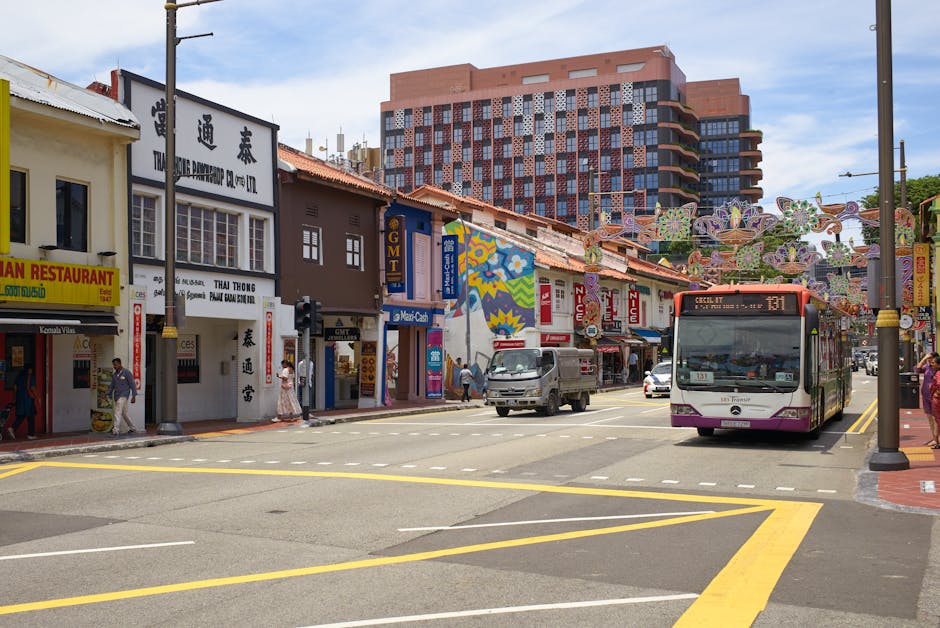
Little India is one of Singapore’s most vibrant and culturally rich districts, attracting a diverse mix of local residents, foreign workers, and international tourists year-round. From the bustling lanes of Tekka Market to the colourful shophouses lining Serangoon Road, businesses here operate in an environment unlike any other in the city-state. Yet many Little India business owners still rely on foot traffic alone, missing enormous opportunities to grow through targeted digital marketing in 2026.
The district’s unique character presents both opportunities and challenges for marketers. Little India is a heritage conservation area, home to traditional Indian textile shops, gold jewellers, spice merchants, flower garland sellers, and an ever-growing number of modern cafes and restaurants. The area draws an estimated 10,000 to 15,000 visitors on weekday evenings and significantly more on weekends and during festivals like Deepavali and Pongal. Reaching these audiences — many of whom discover businesses through Google Maps, social media, and word of mouth — requires a thoughtful, culturally sensitive marketing approach.
Whether you run a restaurant near the Tekka Centre, a saree shop on Buffalo Road, or a wellness centre along Race Course Road, this guide covers the digital marketing strategies that work specifically for Little India businesses. From multilingual content and Google Business Profile optimisation to festival marketing and community engagement, these are practical steps you can implement to increase visibility, attract more customers, and grow your revenue in this iconic Singapore district.
Understanding the Little India Customer Base
Effective marketing in Little India starts with understanding who your customers are. Unlike homogeneous shopping districts, Little India serves several distinct audience segments, each with different needs, behaviours, and media consumption habits.
South Asian migrant workers: A significant portion of Little India’s weekday and weekend crowd comprises migrant workers from India, Bangladesh, and other South Asian countries. They visit for remittance services, mobile phone shops, grocery staples, and affordable dining. This audience is highly active on WhatsApp and Facebook, often consumes content in Tamil, Hindi, or Bengali, and responds well to value-driven promotions and word-of-mouth referrals.
Local Singaporean Indian community: Families and individuals from Singapore’s Indian community visit Little India for cultural necessities — temple visits, festival shopping, traditional clothing, gold jewellery, and authentic cuisine. They are digitally savvy, active on Instagram and Google, and often search for specific products or services before visiting.
Tourists and cultural explorers: International tourists flock to Little India for its heritage architecture, street art, and sensory experiences. They typically discover the area through travel blogs, TripAdvisor, Google Maps, and social media. Creating content that appears in these discovery channels is critical for businesses targeting tourist spending.
Young professionals and foodies: The gentrification of parts of Little India, particularly around Jalan Besar and Tyrwhitt Road, has attracted a younger demographic interested in hipster cafes, craft beer bars, and fusion restaurants. This audience discovers businesses primarily through Instagram, TikTok, and food review platforms.
Understanding which segments drive your revenue allows you to allocate your marketing budget more effectively. A gold jeweller, for instance, should prioritise Google search and community networks, while a new fusion restaurant might focus on Instagram and food influencer partnerships. A comprehensive digital marketing strategy should account for these audience differences.
Google Maps and Local SEO for Little India
For Little India businesses, Google Maps is often the first point of discovery. When someone searches “best biryani Little India” or “Indian textile shop near me,” your Google Business Profile determines whether you appear in the results. Optimising for local search is one of the highest-impact marketing activities you can undertake.
Start by claiming and fully completing your Google Business Profile. Ensure your business name, address, phone number, and operating hours are accurate. For Little India businesses, include specific location details that help customers find you — mention nearby landmarks like Tekka Market, Sri Veeramakaliamman Temple, or the Little India MRT station. Upload high-quality photos of your storefront, interior, products, and dishes. Businesses with more than 20 photos receive 35% more clicks than those with fewer images.
Encourage customer reviews actively. Little India businesses often have loyal regulars who are happy to leave reviews when asked. Train your staff to request reviews after positive interactions, and respond to every review — both positive and negative — in a timely and professional manner. Reviews in multiple languages are particularly valuable, as they signal to Google that your business serves a diverse clientele.
Invest in proper SEO services to ensure your website ranks for location-specific keywords. Target terms like “Little India restaurant Singapore,” “Serangoon Road gold shop,” or “Tekka Market spices.” Create dedicated landing pages for your key products or services, incorporating natural references to the Little India area. Schema markup for local businesses helps search engines understand your location, operating hours, and service offerings.
For businesses with multiple services — such as a restaurant offering dine-in, takeaway, and catering — create separate Google Business Profile posts for each offering. Use the posts feature regularly to share updates about new menu items, festival specials, and events. These posts appear directly in search results and can drive immediate action from potential customers.
Multilingual Marketing Strategies
Little India is arguably the most linguistically diverse district in Singapore. Your customers may speak Tamil, Hindi, Bengali, Punjabi, Malay, Mandarin, or English as their primary language. A one-language marketing approach will inevitably miss large segments of your potential audience.
Begin with your website. While English should remain the primary language for SEO purposes, consider adding Tamil and Hindi translations for key pages — particularly your menu, service descriptions, and contact information. This does not require a full multilingual website. Even a simple language toggle for essential content can significantly improve the user experience for non-English-speaking customers.
On social media, experiment with multilingual captions. A Facebook post in both English and Tamil, for instance, can double your engagement among the local Indian community. WhatsApp broadcast lists segmented by language allow you to send targeted promotions to different customer groups. Many Little India businesses have found success with WhatsApp marketing — sending weekly specials, festival greetings, and event announcements directly to customer groups.
For paid advertising, Google Ads campaigns can be configured to target specific languages. If a significant portion of your customers search in Tamil, running Tamil-language search ads for relevant keywords can give you a competitive advantage, as very few businesses in Singapore run ads in non-English languages. Facebook and Instagram also allow language-based targeting, letting you serve Tamil or Hindi ad creatives to users who have set those as their preferred languages.
Multilingual content marketing extends to your offline presence as well. In-store signage in multiple languages, bilingual printed menus, and staff who can communicate in customers’ preferred languages all contribute to a welcoming environment that drives repeat visits and positive reviews.
Deepavali and Festival Marketing Campaigns
Festivals are the heartbeat of Little India’s economy. Deepavali (the Festival of Lights) is the biggest commercial event of the year for the district, drawing massive crowds and generating a surge in retail and dining revenue. But smart businesses market around multiple cultural events throughout the year — Pongal in January, Thaipusam in January or February, Tamil New Year in April, and various religious observances.
For Deepavali, start your marketing campaign at least six to eight weeks before the festival. Early-bird promotions for sarees, jewellery, and festive snacks capture customers who plan their purchases well in advance. Create a content calendar that builds anticipation — behind-the-scenes videos of festival preparation, gift guides, recipe posts, and countdown posts all generate engagement and keep your business top of mind.
Leverage the Little India Deepavali light-up and street bazaar as marketing anchors. The annual light-up along Serangoon Road attracts hundreds of thousands of visitors over several weeks. If your business is located along the light-up route, create social media content that ties your products to the festive atmosphere. Offer photo opportunities at your storefront — an Instagram-worthy Deepavali display can drive significant foot traffic and social media sharing.
Run targeted digital advertising during the festival season. Social media marketing campaigns with festive themes, special discount codes, and limited-time offers create urgency and drive conversions. Use geo-targeting to reach people physically in the Little India area during the light-up period — these are warm leads who are already in a buying mood.
Do not neglect post-festival marketing either. The days immediately after Deepavali often see clearance shoppers looking for deals. A well-timed post-festival sale campaign can help you move remaining inventory and maintain revenue momentum beyond the peak period.
Cultural Tourism and Heritage Shop Promotion
Little India’s status as a heritage conservation area is a powerful marketing asset. Tourists seeking authentic cultural experiences actively search for “Little India Singapore things to do,” “traditional Indian shops Singapore,” and similar queries. Positioning your business as part of the cultural experience — rather than just a commercial transaction — resonates strongly with this audience.
Create content that tells your business’s story within the context of Little India’s heritage. If your shop has been operating for decades, share its history through blog posts, social media stories, and video content. The story of a third-generation spice merchant or a family-run flower garland stall has inherent appeal that no amount of advertising can replicate. This type of 콘텐츠 마케팅 builds emotional connections and differentiates your business from generic competitors.
Partner with local tourism operators and walking tour companies. Many guided tours of Little India include stops at specific shops and restaurants. Being featured on a walking tour route can provide a steady stream of tourist customers. Offer tour groups a small discount or a complimentary tasting — the word-of-mouth and TripAdvisor reviews that follow are worth far more than the cost.
List your business on tourism platforms including TripAdvisor, Klook, and the Singapore Tourism Board’s Visit Singapore website. Ensure your listings include compelling descriptions, professional photos, and accurate contact details. For businesses offering experiences — such as cooking classes, henna art, or cultural workshops — platforms like Klook and Airbnb Experiences can open up an entirely new revenue stream from tourists willing to pay premium prices for authentic cultural activities.
Optimise your website for tourism-related keywords. Create blog posts or guides such as “What to Buy in Little India” or “Best Indian Food in Tekka Market” that naturally feature your business. These informational pages attract organic search traffic from tourists planning their Singapore itinerary and position your business as a trusted local authority.
Social Media Strategies for Little India Businesses
Social media is where Little India’s visual richness truly shines. The district’s colourful streets, aromatic food, intricate textiles, and vibrant festivals provide endless content opportunities. But an effective social media strategy for Little India businesses requires more than just posting pretty photos.
Choose your platforms based on your target audience. Facebook remains the most popular platform among the South Asian migrant worker community and older Singaporean Indians. Instagram appeals to younger locals, foodies, and tourists. TikTok is increasingly important for restaurants and experiential businesses targeting Gen Z and millennials. WhatsApp groups and Telegram channels are powerful for community-based marketing and direct customer communication.
Invest in visual content that showcases the sensory experience of your business. For restaurants, this means professional food photography and short video clips of dishes being prepared. For textile shops, show the draping and styling of sarees. For jewellers, close-up shots of intricate designs. User-generated content is equally valuable — encourage customers to tag your business in their posts and share their content on your profiles with proper credit.
Hashtag strategy matters. Use a mix of broad hashtags (#LittleIndiaSingapore, #SingaporeFood, #IndianCuisine) and specific ones (#TekkaMarket, #SerangoonRoad, #LittleIndiaSG). Create a branded hashtag for your business and encourage customers to use it. Monitor local hashtags to identify trends and engagement opportunities in the Little India community.
Collaborate with food bloggers, lifestyle influencers, and cultural content creators who cover Little India. A single well-placed feature by a popular Singapore food blogger can drive weeks of increased foot traffic. Focus on micro-influencers with 5,000 to 50,000 followers — they typically have higher engagement rates and more authentic connections with their audience than mega-influencers.
Community Engagement and Grassroots Marketing
Little India has a strong sense of community, and businesses that embed themselves in the local fabric enjoy a loyalty that digital marketing alone cannot create. Community engagement is both a marketing strategy and a long-term business investment.
Participate in events organised by the Little India Shopkeepers and Heritage Association (LISHA). LISHA coordinates the annual Deepavali Festival, Heritage Fest, and various cultural programmes throughout the year. Being an active participant or sponsor of these events gives your business visibility among the community and positions you as a committed local stakeholder.
Support local causes and community initiatives. Sponsor a community meal during Deepavali, participate in charity drives, or offer your space for community gatherings. These activities generate goodwill, media coverage, and organic social media mentions. In a close-knit community like Little India, word of mouth from community involvement can be more effective than any paid campaign.
Build relationships with nearby businesses for cross-promotion. A restaurant can partner with a neighbouring textile shop to offer bundled deals during festival seasons. A gold jeweller can collaborate with a bridal makeup artist for wedding packages. These partnerships expand your reach to complementary customer bases without additional advertising spend.
Consider email marketing campaigns to maintain ongoing relationships with your customer base. Collect email addresses through in-store sign-ups, website forms, and social media. Send monthly newsletters featuring new arrivals, festival promotions, community news, and exclusive subscriber offers. Segment your email list by customer type — regulars, tourists, wholesale buyers — to deliver relevant content to each group.
Measuring Marketing Success in Little India
Tracking marketing performance helps you understand what works and where to invest your budget. For Little India businesses, a combination of digital metrics and on-the-ground indicators provides the most complete picture.
Monitor your Google Business Profile insights to track how many people find your business through search, how many request directions, and how many call you directly. These metrics give you a clear measure of local search performance. Track your website traffic using Google Analytics, paying attention to geographic data — are you attracting visitors from Singapore, India, and key tourist markets?
For social media, track engagement rates (likes, comments, shares) rather than just follower counts. A business with 2,000 engaged followers in Little India will outperform one with 20,000 disengaged followers. Monitor which types of content generate the most engagement and adjust your content calendar accordingly.
Use unique discount codes for different marketing channels to track which channels drive actual sales. A code shared on WhatsApp, a different one on Instagram, and another in your email newsletter lets you attribute revenue to specific marketing efforts. For restaurant businesses, reservation tracking and table turnover data can complement digital metrics.
Review your marketing performance quarterly and adjust your strategy based on the data. Seasonal patterns are particularly important in Little India — your marketing approach during Deepavali season should differ significantly from quieter periods. A well-designed website with proper analytics integration ensures you capture and can analyse all relevant data points throughout the year.
자주 묻는 질문
What is the most effective marketing channel for Little India businesses?
Google Maps and Google Business Profile optimisation deliver the highest return for most Little India businesses, as the majority of customers — both locals and tourists — use Google to discover shops and restaurants in the area. For community-based businesses, WhatsApp marketing and Facebook groups are equally important. The best approach combines local SEO with social media and community engagement tailored to your specific customer segments.
How much should a Little India business spend on digital marketing?
Small Little India businesses should budget between $500 and $2,000 per month for digital marketing, covering Google Business Profile management, social media content, and basic paid advertising. During peak periods like Deepavali, increasing your budget by 50 to 100 per cent captures the surge in demand. Larger businesses or those targeting tourists may need $3,000 to $5,000 per month for comprehensive campaigns including SEO, Google Ads, and influencer partnerships.
Should I create marketing content in Tamil or Hindi for my Little India business?
If a significant portion of your customer base speaks Tamil or Hindi, creating content in those languages can meaningfully improve engagement and conversions. Start with key touchpoints — social media captions, WhatsApp messages, and in-store signage — before investing in full website translation. Even simple bilingual posts on Facebook and Instagram can increase engagement by 30 to 50 per cent among non-English-speaking audiences.
How can I attract more tourists to my Little India shop?
Optimise your presence on Google Maps and TripAdvisor with professional photos, detailed descriptions, and strong reviews. Create content around cultural experiences rather than just products — tourists want stories and authenticity. Partner with walking tour operators and list experiential offerings on platforms like Klook. Ensure your website ranks for tourism-related searches like “things to buy in Little India Singapore” and “best Indian food Little India.”
When should I start marketing for Deepavali?
Begin your Deepavali marketing campaign six to eight weeks before the festival. Start with awareness content — festival preparation tips, gift guides, and behind-the-scenes content. Launch promotional offers four to five weeks out to capture early shoppers. Intensify advertising spend during the final two weeks when the light-up draws peak crowds. Continue with post-festival clearance promotions for one to two weeks after Deepavali to maintain sales momentum.
How do I compete with online retailers as a Little India heritage shop?
Heritage shops have a unique advantage that online retailers cannot replicate — authenticity and sensory experience. Market the in-store experience rather than competing on price alone. Offer personalised service, expert knowledge, and the ability to see, touch, and try products before buying. Use social media to showcase these experiences through video content. Consider adding an e-commerce component to your business to capture online demand while maintaining your physical store as the primary brand experience.

 Korean
  English
  Chinese
  Malay
Malay