
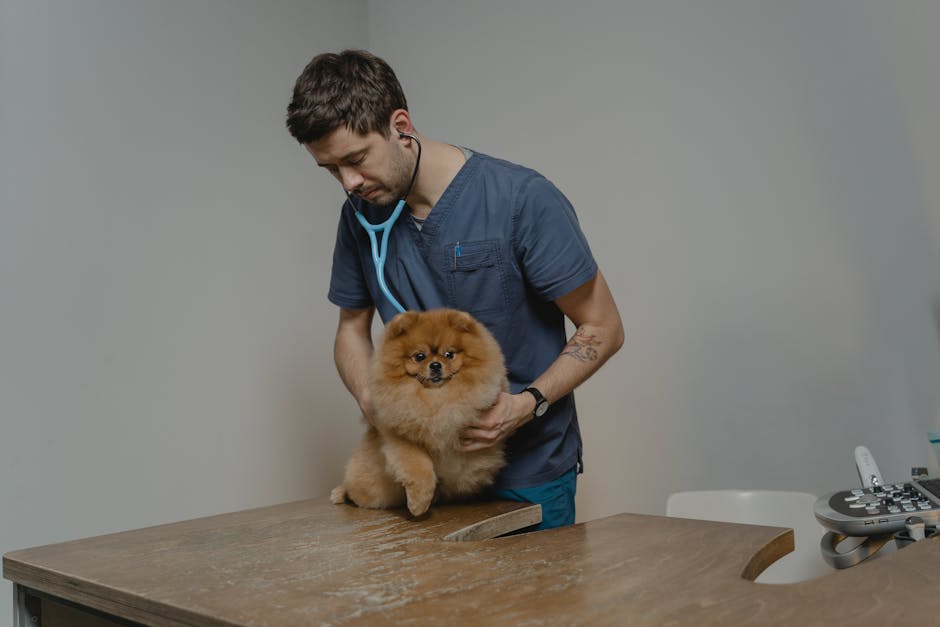
Marketing for Veterinary Clinics in Singapore: Reach More Pet Owners
Why Veterinary Clinics Need Marketing
Singapore’s pet population has grown substantially over the past decade. More households are adopting dogs, cats, rabbits, and other companion animals, and pet owners are spending more on veterinary care than ever before. This growth has attracted new clinics, corporate veterinary groups, and specialist practices, intensifying competition across the island.
For veterinary clinics, veterinary marketing is no longer about putting a sign above the door and waiting for walk-ins. Pet owners research clinics online before their first visit. They read reviews, compare services, check operating hours, and look for specific capabilities — whether that is dental care, exotic animal treatment, or 24-hour emergency services.
The lifetime value of a veterinary client makes marketing investment particularly worthwhile. A puppy adopted today will need care for 12 to 15 years. Yet many clinics under-invest in marketing, creating an opportunity for those that take a structured approach to digital marketing to capture market share from competitors who rely solely on location and word of mouth.
Local SEO for Veterinary Clinics
Veterinary care is fundamentally local. Pet owners want a clinic that is convenient — close to home, easy to reach in an emergency, and accessible for regular check-ups. This makes local SEO the most impactful marketing channel for veterinary clinics in Singapore.
Your Google Business Profile is the single most important asset for local visibility. When a pet owner searches “vet clinic near me” or “veterinary clinic Tampines,” Google displays a map with nearby clinics. Your Google Business Profile determines whether you appear in this map pack, and how prominently.
Optimise your Google Business Profile thoroughly:
- Complete every field — Business name, address, phone number, website, operating hours, and appointment links.
- Choose accurate categories — Primary category should be “Veterinary care.” Add secondary categories like “Animal hospital” or “Emergency veterinary service.”
- Write a detailed description — Include the species you treat, services offered, and special capabilities.
- Add high-quality photos — Show your clinic interior, consultation rooms, and team.
- Post regular updates — Seasonal pet health tips and clinic news keep your profile active.
Refer to our Google Business Profile guide for a detailed optimisation walkthrough. Reviews deserve special attention — they are discussed in the reputation management section below.
Your website should include location-specific content — your full address, embedded Google Map, nearby MRT stations, and parking information. For clinics with multiple branches, each location needs a dedicated page. Ensure consistent name, address, and phone number across all online directories and listings.
Social Media Marketing for Vet Clinics
Pet owners love sharing content about their animals, and veterinary clinics are uniquely positioned to create engaging social media content. Among all industries, veterinary clinics consistently achieve some of the highest engagement rates on social platforms because the content is inherently appealing — animals are universally likeable.
Effective social media content for veterinary clinics falls into several categories:
- Patient spotlights — With owner permission, share photos or stories of patients. Recovery stories are particularly powerful. A post about a dog recovering from surgery, with a before-and-after narrative, generates empathy and demonstrates your clinical capabilities.
- Team introductions — Introduce your veterinarians, veterinary nurses, and support staff. Pet owners want to know who is caring for their animals. Personal stories, qualifications, and the staff member’s own pets make great content.
- Educational tips — Short, practical advice about pet care. Tick prevention tips, heat safety reminders, dental care advice, and nutrition guidance all perform well and position your clinic as a trusted authority.
- Behind-the-scenes — Show the daily life of your clinic. A veterinarian preparing for surgery, a nurse comforting a nervous patient, or the team celebrating a successful procedure humanises your practice.
- Community involvement — Participation in adoption events, charity work, school visits, or community pet health talks builds goodwill and generates shareable content.
Instagram and Facebook are the primary platforms for veterinary social media in Singapore. Instagram’s visual format suits animal content perfectly, while Facebook’s community features support group discussions and event promotion. Consistency matters more than frequency — three quality posts per week with genuine engagement outperforms daily low-effort content. Respond to every comment and message promptly.
Pet Health Content Strategy
Pet owners are voracious consumers of pet health information. They search for symptoms, preventive care advice, nutrition guidance, and breed-specific health information. A veterinary clinic that publishes authoritative pet health content on its website captures this search traffic and builds trust before a pet owner ever walks through the door.
Content topics should reflect the questions your veterinarians hear most frequently:
- How often should I vaccinate my dog in Singapore?
- What are the signs of heatstroke in pets?
- Is it safe to feed my cat a raw diet?
- How do I prevent tick fever in Singapore?
- What does pet insurance cover in Singapore?
- When should I sterilise my puppy or kitten?
- How to care for a senior dog or cat
- Common poisonous plants for pets in Singapore
Each of these topics can become a detailed blog post of 1,000 to 2,000 words. Write from a clinical perspective — your veterinarians’ expertise is your competitive advantage over generic pet blogs. Include specific recommendations, explain the reasoning behind them, and reference current veterinary guidelines where appropriate.
Content should be genuinely helpful, not promotional. Singapore-specific content performs particularly well because it faces less competition than generic pet health articles. A post about “Common Skin Conditions in Dogs in Singapore’s Tropical Climate” is more relevant and ranks more easily than a generic post on the same topic. Explore how marketing for pet businesses can help you develop a comprehensive content strategy. Repurpose your blog content across channels — Instagram carousels, Facebook videos, email newsletters, and waiting room posters.
Emergency and After-Hours Service Promotion
Emergency veterinary services represent a critical marketing opportunity. When a pet owner faces a medical emergency, they search with extreme urgency. “24 hour vet Singapore,” “emergency vet near me,” or “animal hospital open now” are searches made by people who need help immediately and will book the first capable clinic they find.
If your clinic offers emergency or after-hours services, these must be prominently visible across all your digital touchpoints:
- Website: Feature emergency services on your homepage with a prominent phone number. Create a dedicated emergency services page optimised for emergency-related keywords. Include information about what constitutes a pet emergency, what to do in common emergencies, and how to reach your clinic after hours.
- Google Business Profile: Ensure your operating hours clearly show your after-hours availability. Use Google Posts to regularly highlight your emergency services.
- Social media: Pin a post about your emergency services to the top of your Facebook page and Instagram profile.
- Google Ads: Run a dedicated campaign targeting emergency veterinary keywords. Set this campaign to run 24/7 with ad scheduling that increases bids during after-hours periods when competition is lower and urgency is highest.
Emergency service marketing also builds ongoing client relationships — pet owners whose animals were treated competently during an emergency develop strong loyalty and become regular clients. SEO for veterinary clinics ensures your emergency services content reaches pet owners at their moment of greatest need.
Client Retention Strategies
Acquiring a new veterinary client is significantly more expensive than retaining an existing one. Given the long-term nature of pet ownership, client retention is arguably the most important marketing metric for veterinary clinics.
Effective client retention strategies for veterinary clinics in Singapore:
Automated appointment reminders: Send SMS or email reminders for annual vaccinations, dental check-ups, and follow-up appointments. Many practice management systems automate this process. Reminders not only improve compliance with recommended care schedules but also maintain regular contact with your client base.
Pet health records access: Offer clients online access to their pet’s health records, vaccination history, and treatment plans. This transparency builds trust and makes your clinic indispensable — switching to a new clinic means losing easy access to their pet’s medical history.
Wellness programmes: Structured wellness plans that bundle annual check-ups, vaccinations, dental cleaning, and blood work at a reduced total cost encourage regular visits and improve compliance. These plans also provide predictable revenue for your clinic.
Email newsletters: A monthly newsletter with seasonal pet care tips, clinic updates, staff news, and patient stories keeps your clinic in pet owners’ minds between visits. Segment your list by pet type (dog owners, cat owners, exotic pet owners) to send relevant content to each group.
Post-visit follow-ups: A phone call or message the day after a surgery or illness consultation demonstrates genuine care and differentiates your clinic from competitors.
Track your client retention rate by monitoring what percentage of clients return within 12 months. A healthy veterinary clinic should retain 70 to 80 per cent of active clients annually.
Online Reputation Management
Online reviews heavily influence which veterinary clinic pet owners choose. A study by BrightLocal found that 87 per cent of consumers read online reviews for local businesses, and veterinary clinics are no exception. In Singapore, Google reviews are the primary platform pet owners check before selecting a clinic.
Building a strong review profile requires a systematic approach:
- Ask consistently — Train your reception team to ask for reviews after positive interactions, such as successful treatment outcomes or routine check-ups.
- Make it easy — Create a short link to your Google review page and share it via SMS, email, or a QR code at reception. The fewer steps required, the more reviews you receive.
- Respond to every review — Thank positive reviewers specifically. For negative reviews, respond professionally and offer to resolve the issue offline.
- Monitor continuously — Set up Google alerts for your clinic name and check review platforms weekly. Address negative feedback promptly before it festers.
Beyond Google, monitor reviews on Facebook and pet-specific community groups. Never fabricate reviews or offer incentives for positive reviews — Google penalises businesses that engage in review manipulation. Use review insights to improve operations: if multiple reviews mention long waiting times, address your scheduling. Reviews are both a marketing asset and a feedback mechanism.
Paid Advertising for Vet Clinics
While organic marketing channels build long-term visibility, paid advertising delivers immediate results. For veterinary clinics in Singapore, Google Ads and social media advertising each serve distinct purposes.
Google 광고 captures pet owners actively searching for veterinary services. Target keywords like “vet clinic [neighbourhood],” “pet vaccination Singapore,” “dog dental cleaning near me,” and “24 hour vet.” These searches indicate immediate intent, and a well-positioned ad can generate bookings from the first day. Location targeting ensures your ads only show to pet owners in your service area.
Structure your Google Ads campaigns by service type:
- General consultations and wellness visits
- Vaccinations and preventive care
- Dental services
- Surgical services
- Emergency and after-hours care
- Specialist services (dermatology, orthopaedics, oncology)
Facebook and Instagram advertising targets pet owners based on interests and demographics rather than search intent. Use social ads for awareness of new services, seasonal health campaigns, and adoption events. Retargeting is particularly effective — a pet owner who visited your website but did not book can be shown a follow-up ad. A neighbourhood clinic might start with $500 to $1,000 per month on Google Ads, while larger practices might invest $2,000 to $5,000 monthly across channels.
자주 묻는 질문
How can a new veterinary clinic in Singapore attract its first clients?
A new clinic should prioritise three channels: Google Business Profile optimisation for immediate local visibility, a Google Ads campaign targeting neighbourhood-specific veterinary keywords, and active community engagement through social media and local events. Offer a compelling first-visit promotion — a discounted wellness check or free initial consultation — to lower the barrier to entry. Partner with nearby pet shops, groomers, and animal shelters for cross-referrals. Focus on delivering exceptional service from day one so that early clients become advocates who drive word-of-mouth referrals.
What social media platform works best for veterinary clinics?
Instagram and Facebook are the most effective platforms for veterinary clinics in Singapore. Instagram’s visual format is perfect for animal content, which naturally generates high engagement. Facebook is valuable for community building, event promotion, and reaching older pet owners. TikTok is growing rapidly and suits short, engaging video content — a puppy’s first vaccination visit or a cat recovering from surgery can generate significant views. Choose one or two platforms and invest consistently rather than spreading yourself thinly across every platform.
How important are Google reviews for veterinary clinics?
Google reviews are extremely important. They directly influence local search rankings, and pet owners rely heavily on reviews when choosing a clinic. A clinic with 100 reviews and a 4.7 rating will attract significantly more new clients than a clinic with 10 reviews and the same rating. The volume, recency, and quality of reviews all matter. Make asking for reviews a systematic part of your client interaction process, and respond to every review — both positive and negative — professionally and promptly.
Should veterinary clinics invest in SEO or paid advertising first?
Start with both simultaneously, but allocate them differently. SEO is a long-term investment that takes three to six months to show results but builds a compounding asset. Paid advertising delivers immediate visibility. For a new clinic, allocate a larger proportion to paid advertising initially to generate immediate client flow, while building your SEO foundation with website optimisation, content creation, and Google Business Profile management. As your organic traffic grows, you can adjust the balance. Most established clinics benefit from maintaining both channels permanently.
How do I market specialist veterinary services in Singapore?
Specialist services — oncology, orthopaedics, dermatology, cardiology — require a different marketing approach from general practice. Focus on building referral relationships with general practice veterinarians who will refer complex cases to you. Create detailed, authoritative content about the conditions you treat, targeting specific long-tail keywords like “dog ACL surgery Singapore” or “feline cardiologist Singapore.” These specialist searches have lower volume but extremely high intent and value. Attend veterinary conferences, publish case studies, and position your specialists as thought leaders in their fields.



 Korean
  English
  Chinese
  Malay
Malay