
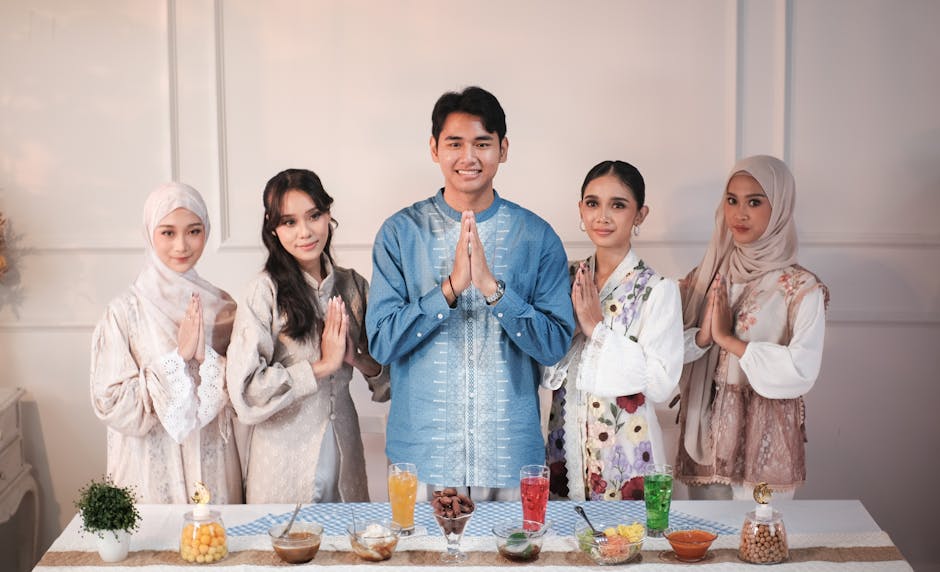
Hari Raya Marketing Guide: Campaigns for Ramadan and Eid
Hari Raya Aidilfitri (also known as Hari Raya Puasa) is one of Singapore’s most celebrated festivals, marking the end of Ramadan with joyous gatherings, feasting, new clothes and renewed community bonds. For businesses, the Ramadan and Hari Raya period represents a significant marketing opportunity that extends across several weeks of heightened consumer activity.
In Singapore, the Malay-Muslim community makes up approximately 15 per cent of the population, but Hari Raya celebrations resonate far beyond this demographic. Colleagues exchange festive greetings, neighbours share kueh and ketupat, and open houses welcome visitors from all backgrounds. This inclusive spirit makes Hari Raya marketing relevant for a wide range of businesses across multiple industries.
This guide provides a comprehensive framework for planning and executing Hari Raya marketing campaigns that are culturally respectful, commercially effective and authentically engaging for Singapore audiences in 2026.
Understanding Ramadan and Hari Raya in Singapore
To market effectively during the Hari Raya period, businesses must first understand the cultural and religious context that shapes consumer behaviour throughout Ramadan and the festive celebrations that follow.
Ramadan is the ninth month of the Islamic calendar, during which Muslims fast from dawn to sunset. In Singapore, Ramadan typically lasts 29 or 30 days and profoundly influences daily routines, eating patterns and spending habits. The month is characterised by spiritual reflection, charitable giving, community bonding and preparation for Hari Raya. Consumer spending increases steadily throughout Ramadan as families prepare for the celebration ahead.
Hari Raya Aidilfitri marks the end of Ramadan fasting. In Singapore, it is a public holiday celebrated with morning prayers, visits to family and friends, festive feasting and the wearing of new clothes. The celebration traditionally extends over the month of Syawal, with open houses and visiting continuing for weeks after the official date.
Key spending categories during the Ramadan and Hari Raya period include fashion and textiles (baju kurung, baju Melayu and modern modest fashion), food and beverages (kueh, rendang, ketupat, lemang and catering services), home décor and furnishings (curtains, cushion covers, carpets and furniture), beauty and personal care, electronics, travel and gift hampers.
The marketing timeline broadly divides into three phases: early Ramadan (spiritual and charitable messaging, subtle brand presence), mid-to-late Ramadan (intensifying promotional activity, shopping campaigns, bazaar participation) and Hari Raya itself plus the following weeks (festive greetings, celebration content, post-Raya promotions).
Cultural Sensitivity in Hari Raya Marketing
Cultural sensitivity is not merely advisable for Hari Raya marketing — it is essential. Missteps in this area can cause genuine offence, damage brand reputation and alienate your target audience. Approaching the festival with respect and understanding is the foundation of effective Hari Raya campaigns.
Understand the religious significance. Ramadan is first and foremost a period of spiritual devotion, not a commercial event. Your marketing should acknowledge and respect this spiritual dimension rather than treating Ramadan purely as a shopping season. Avoid trivialising fasting, prayer or religious observance in your messaging. When referencing Ramadan, do so with genuine respect.
Use accurate cultural references. Ensure your visual assets, language and cultural references are authentic and accurate. Common Hari Raya visual elements include ketupat (woven rice cakes), pelita (oil lamps), crescent moon and star motifs, traditional Malay architectural elements, songkok and tudung, and green and gold colour palettes. Have your creative materials reviewed by someone from the Malay-Muslim community to catch any inaccuracies or insensitive elements.
Language considerations: Use appropriate Malay greetings such as “Selamat Hari Raya Aidilfitri” and “Maaf Zahir dan Batin” (which means seeking forgiveness, a key Hari Raya tradition). Avoid incorrect or overly casual usage of Malay language in your marketing. If your brand does not typically use Malay, a simple sincere greeting is better than forced extensive Malay copy.
Halal compliance is critical for any F&B-related marketing during this period. If promoting food products, dining experiences or catering services, ensure they are halal-certified and clearly communicate this certification in your marketing materials. Non-halal brands should avoid associating their products directly with Hari Raya feasting or Ramadan iftar (breaking of fast) contexts.
Ramadan Marketing: Pre-Hari Raya Campaigns
The month of Ramadan that precedes Hari Raya is itself a significant marketing period. Consumer behaviour during Ramadan creates distinct opportunities that savvy brands can leverage with appropriate sensitivity.
Iftar and sahur promotions: Muslims break their daily fast at iftar (sunset) and have a pre-dawn meal at sahur. Restaurants and food delivery services can create special iftar set meals, sahur meal packages and Ramadan buffet promotions. Timing is everything — promote iftar deals in the late afternoon and sahur offerings in the late evening. Ensure all promoted food is halal-certified.
Ramadan bazaar participation is one of the most impactful ways to engage with the community during this period. Geylang Serai bazaar is Singapore’s most iconic Ramadan market, drawing enormous crowds nightly during the fasting month. Securing a stall or sponsoring bazaar activities provides direct access to a highly engaged audience. Even if physical bazaar participation is not feasible, online Ramadan bazaars have gained popularity and offer a digital alternative.
Charitable giving campaigns align naturally with Ramadan’s emphasis on generosity and community support. During Ramadan, Muslims are encouraged to give zakat (obligatory charity) and sadaqah (voluntary charity). Brands can demonstrate values alignment by running charitable initiatives, donation matching programmes or “purchase with purpose” campaigns where a portion of sales supports community causes. These campaigns should be genuine and sustained, not tokenistic.
Fashion and beauty campaigns gain momentum throughout Ramadan as consumers prepare their Hari Raya outfits and grooming. Launch your Raya fashion collections early in Ramadan and build excitement through progressive reveals. Beauty brands should create Hari Raya makeup tutorials, skincare routines for the fasting period and modest fashion styling content that educates and inspires.
Hari Raya Campaign Ideas and Promotions
As Hari Raya approaches, transition your marketing from Ramadan-appropriate subtlety to celebratory festive energy. The days immediately before and after Hari Raya are your peak promotional window.
Hari Raya sale events are expected and welcomed by consumers. Structure your promotions around specific themes: “Raya Ready” fashion sales, “Open House Essentials” home and kitchen promotions, “Raya Glam” beauty offers and “Balik Kampung” travel deals. Tiered discounts (spend $100 get 10 per cent off, spend $200 get 20 per cent off) encourage larger basket sizes during the festive preparation period.
Green packet promotions mirror the ang bao concept from Chinese New Year. Create digital green packet campaigns where customers receive randomised discounts or rewards, tapping into the festive spirit of gift-giving. Physical branded green packets, while less common than CNY red packets, can also be produced as a distinctive marketing asset.
Festive hamper and gift set campaigns serve the visiting culture that is central to Hari Raya celebrations. During the month of Syawal, families visit relatives and friends, often bringing gifts. Create curated Hari Raya hampers featuring halal food items, home fragrances, premium dates, cookies and traditional kueh. Offer corporate hamper options for businesses wanting to send Hari Raya gifts to Malay-Muslim clients and partners.
Home décor and renovation promotions capitalise on the tradition of refreshing one’s home before Hari Raya. Furniture stores, home décor brands, curtain suppliers and cleaning services all see increased demand during this period. Launch promotions early in Ramadan and guarantee delivery or completion before Hari Raya. Promote these through targeted Google Ads campaigns and social media to reach consumers actively searching for home refresh solutions.
Bazaar Promotions and Community Engagement
Ramadan bazaars are the beating heart of the festive season in Singapore. Whether you participate physically or digitally, engaging with bazaar culture is one of the most effective Hari Raya marketing strategies available.
Geylang Serai Ramadan Bazaar is Singapore’s largest and most famous. Running throughout Ramadan, it attracts hundreds of thousands of visitors seeking food, fashion, home décor and festive supplies. Having a presence at the bazaar — whether through your own stall, a collaboration with an existing vendor or sponsorship of bazaar events — provides unparalleled access to a highly targeted, engaged audience in a festive mood.
Online bazaar strategies have matured significantly. Platforms like Shopee and Lazada run dedicated Ramadan and Hari Raya campaign pages. Create a Raya-themed storefront, participate in platform promotions and leverage livestream selling to replicate the bazaar experience digitally. Social commerce through Instagram and TikTok Shop also enables direct-to-consumer bazaar-style selling with the convenience of online shopping.
Community event sponsorship builds genuine goodwill and brand visibility. Sponsor iftar events at mosques, support community breaking-of-fast gatherings, contribute to Ramadan charity drives or sponsor cultural performances during the festive period. These sponsorships demonstrate authentic community engagement and generate positive media coverage and social media visibility.
Collaboration with Malay-owned businesses creates mutually beneficial partnerships and demonstrates cultural respect. Co-create limited-edition products, run joint promotions or host collaborative events with established Malay-owned brands. These partnerships bring cultural authenticity to your campaigns while supporting the community’s entrepreneurial ecosystem.
Malay Community Engagement and Influencer Strategies
Authentic community engagement requires more than surface-level festive messaging. Building genuine connections with the Malay-Muslim community creates lasting brand loyalty that extends far beyond the Hari Raya season.
Influencer partnerships are critical for reaching Malay-Muslim audiences effectively. Collaborate with Malay content creators, lifestyle influencers and community figures who have established trust with their audiences. Ensure your influencer briefs allow for authentic personal expression and cultural context rather than scripted promotional content. Popular content formats include Raya preparation vlogs, baju Raya try-on videos, Raya recipe tutorials, home decoration reveals and festive family content.
Engage with Malay media and publications. Platforms like Berita Harian, Suria (MediaCorp’s Malay-language channel), and popular Malay-language social media pages offer targeted reach to the community. Consider Malay-language advertising, sponsored content and media partnerships to extend your campaign’s reach within this audience segment.
Long-term community investment matters more than one-off festive campaigns. Brands that engage with the Malay-Muslim community year-round — through halal product offerings, inclusive marketing representation, community initiatives and consistent cultural respect — earn far greater credibility during Hari Raya than those that appear only during the festive season.
Employee engagement is an often-overlooked dimension. If your company has Malay-Muslim employees, involve them in campaign development for cultural accuracy and authenticity. Celebrate Hari Raya within your workplace with appropriate observances, flexible scheduling during Ramadan and festive activities. This internal engagement naturally translates into more authentic external marketing. Your digital marketing efforts will be far more effective when grounded in genuine cultural understanding.
Digital Channel Strategies for Hari Raya
A multi-channel digital strategy ensures your Hari Raya campaigns reach the right audiences at the right moments throughout the Ramadan and festive period.
Social media timing adjustments: During Ramadan, daily routines shift significantly. Social media usage typically peaks during sahur (pre-dawn), lunch hours (when people browse but do not eat) and after iftar (evening). Adjust your posting schedule and ad delivery times to align with these patterns. Evening content after iftar tends to see the highest engagement as people are relaxed and active on their devices.
Search engine marketing should target Ramadan and Hari Raya-specific keywords throughout the season. Terms like “baju kurung 2026,” “Hari Raya catering,” “Ramadan bazaar,” “Raya decoration ideas” and industry-specific Raya queries see significant search volume increases. Create dedicated SEO-optimised landing pages for your Hari Raya offerings and run Google Ads campaigns with festive ad copy and promotion extensions.
이메일 마케팅 during Ramadan and Hari Raya should reflect the season’s spirit. Send Ramadan greetings at the start of the fasting month, share curated Raya shopping guides during mid-Ramadan, intensify promotional emails in the final two weeks before Hari Raya and send heartfelt Hari Raya greetings on the day itself. Segment your email campaigns to ensure Hari Raya-specific content reaches the right audience segments.
Video content is particularly powerful for Hari Raya marketing. Emotional Raya video advertisements have become a cultural phenomenon in Southeast Asia, with brands like Petronas and Maxis producing short films that are eagerly anticipated each year. While Singapore brands may not match these production budgets, short-form video content capturing the warmth, humour and emotion of the Hari Raya season consistently performs well across TikTok, Instagram Reels and YouTube Shorts.
Ensure your 웹사이트 reflects the festive season with updated banners, Raya-themed elements and a dedicated festive shopping section. Test all promotional mechanics, voucher codes and checkout processes before your campaign launch to prevent technical issues during peak traffic periods.
자주 묻는 질문
When should I start my Hari Raya marketing campaigns?
Begin planning two to three months before Ramadan. Launch your first campaigns in the first week of Ramadan with subtle, respectful messaging. Intensify promotional activity from mid-Ramadan onwards, peak in the final two weeks before Hari Raya and maintain festive engagement through the month of Syawal following Hari Raya.
How can non-Muslim businesses market during Hari Raya respectfully?
Focus on genuine respect and inclusivity. Share sincere festive greetings, offer relevant promotions without trivialising the religious significance, ensure any food promotions are halal-certified, use accurate cultural references and avoid stereotypes. When in doubt, consult with Malay-Muslim colleagues or cultural advisors to review your campaigns before launch.
What are the most common Hari Raya marketing mistakes?
Common mistakes include using incorrect cultural or religious references, promoting non-halal food in Hari Raya contexts, treating Ramadan purely as a commercial opportunity without acknowledging its spiritual significance, launching campaigns too late, using stereotypical imagery and failing to adjust social media and advertising schedules to Ramadan timing.
How important is halal certification for Hari Raya marketing?
Extremely important for any food, beverage or consumable product marketing. Halal certification from MUIS (Islamic Religious Council of Singapore) is the standard in Singapore. Without proper certification, promoting food products in a Hari Raya context is not just ineffective — it can be seen as disrespectful and will damage your brand’s credibility with Muslim consumers.
What social media platforms are most effective for reaching the Malay-Muslim community?
Instagram and TikTok are the primary platforms for reaching younger Malay-Muslim consumers. Facebook remains important for reaching older demographics and community groups. YouTube is essential for longer-form Raya content. Niche platforms and community-specific Facebook groups also offer highly targeted reach for specific product categories.
Can small businesses effectively market during Hari Raya without a large budget?
Absolutely. Small businesses can participate in online bazaars at minimal cost, collaborate with micro-influencers from the Malay community, create authentic social media content showcasing their Raya offerings, partner with complementary small businesses for joint promotions and engage with community events. Authenticity and cultural respect matter far more than budget size during Hari Raya.
 Korean
  English
  Chinese
  Malay
Malay