
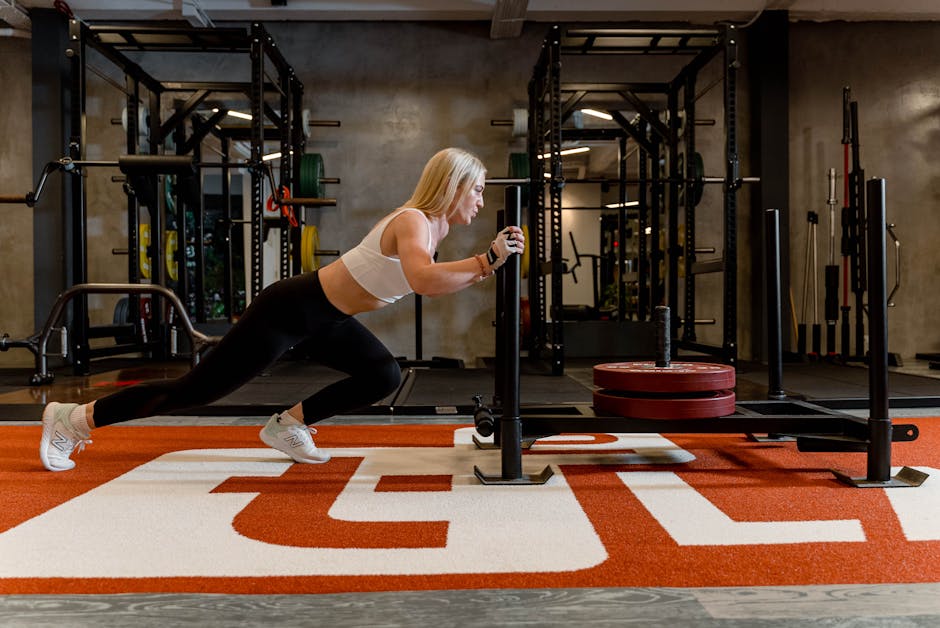
Fitness and Wellness Marketing Calendar 2026: Seasonal Campaigns for Singapore
The fitness and wellness industry operates on deeply seasonal patterns. New Year’s resolutions flood gyms in January, beach-body motivation peaks before summer travel and corporate wellness budgets activate in predictable cycles. Yet many fitness businesses in Singapore market with the same intensity year-round, missing opportunities to ride seasonal demand waves and wasting budget during natural troughs.
Singapore’s wellness market has matured considerably, encompassing traditional gym memberships, boutique fitness studios, yoga and Pilates spaces, marathon and running communities, spa and recovery centres, mental wellness platforms and corporate health programmes. The tropical climate eliminates the harsh seasonal shifts that drive gym attendance in temperate countries, but cultural events, school holidays and corporate cycles create equally powerful behavioural patterns.
This month-by-month calendar maps every significant marketing opportunity for fitness and wellness businesses in Singapore throughout 2026. Use it to plan your campaigns, align digital marketing spend with demand peaks and build a year-long engagement strategy that keeps members active and prospects converting.
Q1: New Year Resolutions, CNY Recovery and Spring Momentum
January is the fitness industry’s golden month. New Year’s resolutions drive the year’s highest volume of membership enquiries, trial sign-ups and programme registrations. The challenge is converting this surge into long-term members rather than short-lived enthusiasm.
| Date / Period | Occasion | Fitness Campaign Focus |
|---|---|---|
| 1–31 January | Resolution season | New member promotions, “start fresh” packages, beginner-friendly programmes |
| January | Dry January / health reset | Detox challenges, clean eating programmes, holistic wellness packages |
| 14 February | Valentine’s Day | Couple workout packages, partner massage deals, “love your body” campaigns |
| 17 February | Chinese New Year | Pre-CNY fitness pushes (“look good for visiting”); post-CNY “burn off the bak kwa” campaigns |
| Late February – March | Post-CNY recovery | Detox programmes, weight management challenges, “back on track” messaging |
| March | International Women’s Day | Women’s fitness events, self-care workshops, female-focused wellness promotions |
Resolution-season marketing should begin in mid-December with teaser campaigns—”your 2026 transformation starts here” messaging, early-bird membership pricing for January sign-ups and goal-setting content across social media channels. The first two weeks of January are critical; after that, motivation begins to wane and conversion rates drop sharply.
The post-CNY period presents a unique secondary peak. After a week or more of reunion dinners, festive snacking and reduced physical activity, many Singaporeans experience genuine motivation to return to fitness routines. “Burn off the festive calories” and “CNY recovery challenge” campaigns tap into this guilt-driven impulse. Frame them positively—celebrate the enjoyment of festive feasting while offering a structured path back to fitness goals.
Offer flexible trial options during Q1: one-week free trials, discounted starter packs and “bring a friend” promotions all lower the barrier to entry. The key metric during resolution season is not just sign-ups but activation—getting new members through the door for their first three to five sessions, which dramatically improves long-term retention.
Q2: Summer Body Season, Corporate Wellness and Mid-Year Motivation
As the year’s first travel season approaches, body confidence motivation combines with corporate wellness budget activation to create a sustained demand window.
| Date / Period | Occasion | Fitness Campaign Focus |
|---|---|---|
| April | Pre-summer travel preparation | “Beach ready” programmes, body transformation challenges, swimwear confidence campaigns |
| April | Corporate wellness FY starts | Corporate membership packages, workplace wellness programmes, lunch-hour classes |
| May | Mother’s Day | Mother-daughter fitness classes, spa gift vouchers, post-natal fitness programmes |
| May–June | Mid-year motivation dip | Recommitment challenges, progress check-ins, member appreciation events |
| June | School holidays | Youth fitness camps, family workout sessions, teen wellness programmes |
| June | Father’s Day | Men’s health focus, “train with Dad” classes, grooming and wellness packages |
“Summer body” messaging requires sensitivity in 2026’s body-positive landscape. Frame campaigns around confidence, strength and energy rather than weight loss or appearance-based goals. “Feel your best this travel season” performs better than “get your beach body” in terms of both engagement and brand perception. Focus on the experience—how fitness enhances holiday enjoyment—rather than aesthetic outcomes.
Corporate wellness programmes typically activate when companies begin their new financial year in April. This is the optimal window to pitch workplace wellness packages, corporate gym memberships and on-site fitness classes. Prepare professional proposals with ROI data showing the impact of employee wellness on productivity, absenteeism and retention. Your 콘텐츠 마케팅 should include case studies from existing corporate clients to build credibility.
June school holidays offer opportunities for youth-focused fitness programmes—sports camps, swimming intensives, martial arts workshops and teen fitness classes. Parents actively seek structured activities for children during the four-week break, and fitness programmes compete favourably against screen time alternatives.
Q3: Marathon Season, National Day Fitness and Back-to-Routine
The third quarter marks the beginning of Singapore’s marathon and running season, creating powerful marketing hooks for fitness businesses of all types.
| Date / Period | Occasion | Fitness Campaign Focus |
|---|---|---|
| July | H2 fitness reset | “Second half, stronger you” recommitment campaigns; mid-year membership renewals |
| July–August | Marathon training season begins | Running programmes, endurance training, sports nutrition coaching |
| 9 August | National Day | Community fitness events, “Run for Singapore” challenges, patriotic workout themes |
| August | Various running events | Race preparation, cross-training for runners, injury prevention clinics |
| September | Peak marathon registration | Structured marathon training programmes, group training, race day preparation |
| September | Back to routine post-holidays | “Get back on track” promotions, autumn class schedule launches |
Singapore’s running community is large, passionate and highly engaged on social media. Marathon training programmes—whether for the Standard Chartered Singapore Marathon, the Singapore Marathon or smaller community races—represent excellent lead generation opportunities for gyms and studios. Offer structured 12-to-16-week training programmes that include strength training, flexibility work and nutrition guidance alongside running mileage.
National Day fitness events build community spirit while generating brand exposure. Organise a community workout, a charity run or a National Day–themed fitness challenge that participants can share on social media. Partner with community centres, residents’ committees or other local organisations to amplify reach. These events work particularly well for neighbourhood gyms and studios looking to strengthen local connections.
September marks a natural “back to routine” moment as school holidays end and the year’s final stretch begins. Position this as a second resolution window—a chance to recommit to fitness goals before the year runs out. “100 days to transform” or “finish 2026 strong” challenges create urgency and provide a structured framework for re-engagement. Promote through Google 광고 targeting “gym near me” and related local fitness searches.
Q4: Year-End Wellness, Holiday Gifts and Resolution Prep
The fourth quarter blends year-end celebration with forward-looking wellness planning. Smart fitness businesses capitalise on both the gifting season and the anticipation of New Year’s resolutions.
| Date / Period | Occasion | Fitness Campaign Focus |
|---|---|---|
| October | Mental health awareness | Mindfulness workshops, meditation classes, stress management programmes |
| October–November | Corporate year-end wellness | Team wellness activities, corporate retreat fitness, stress-relief sessions |
| November | Pre-holiday fitness push | “Holiday-proof your fitness” campaigns, maintaining routines during festive season |
| December | Standard Chartered Singapore Marathon | Post-race recovery, celebratory community events, “what’s next” goal setting |
| December | Christmas and year-end gifting | Gift memberships, wellness vouchers, fitness accessory gift sets |
| Late December | New Year’s resolution pre-sell | January programme pre-registration, early-bird 2027 membership deals |
Wellness gifting has emerged as one of Q4’s fastest-growing retail categories. Fitness memberships, spa vouchers, wellness retreat packages and premium fitness accessories make increasingly popular Christmas gifts. Create dedicated gift landing pages on your 웹사이트, design attractive gift card packaging and promote gifting options through email and social media starting from late November.
The Standard Chartered Singapore Marathon, typically held in early December, is the pinnacle of the running calendar. Post-race, runners are emotionally primed—elated from achievement, physically aware of their bodies and open to setting new goals. This is the ideal moment to offer “what’s next” programmes: cross-training memberships, recovery packages and goal-setting consultations that channel race-day momentum into long-term engagement.
Late December is when resolution-driven marketing should begin, not January. Pre-sell January programmes, offer early-bird pricing for new memberships starting in the new year and create “resolution toolkit” content that builds anticipation. Those who commit in December are statistically more likely to follow through than those who decide impulsively on 1 January.
Corporate Wellness Campaign Windows
Corporate wellness represents a high-value, recurring revenue stream for fitness and wellness businesses. The key is timing your outreach to align with corporate decision-making cycles.
| Period | Corporate Activity | Wellness Provider Action |
|---|---|---|
| January–February | New year wellness initiatives | Pitch quick-start programmes: lunch-hour classes, desk wellness, step challenges |
| March–April | New FY budget allocation (govt/some MNCs) | Submit corporate proposals; offer pilot programmes |
| May–June | Mid-year employee engagement | Team building through fitness, corporate sports day facilitation |
| September–October | Budget planning for next FY | Present ROI data; propose comprehensive annual wellness programmes |
| November–December | Year-end events and team activities | Corporate team wellness experiences, stress management workshops |
When pitching corporate wellness, speak the language of HR and management—employee engagement, talent retention, productivity improvements and absenteeism reduction. Provide data-backed proposals that quantify the return on wellness investment. Singapore’s Health Promotion Board offers resources and programmes that corporate wellness providers can leverage, including the Workplace Outreach Wellness programme.
Build an email marketing programme specifically for corporate prospects, segmented separately from your consumer communications. Corporate decision-makers respond to different messaging—case studies, ROI metrics and programme flexibility—compared to individual fitness consumers who respond to motivational content and personal transformation stories.
Marathon and Running Event Calendar
Running events create natural marketing moments for fitness businesses to engage with Singapore’s active community. Major 2026 events include:
First half of 2026:
- January–February: Various New Year fun runs and charity runs to kick off the year.
- March: Sundown Marathon — Singapore’s iconic night race with 10 km, half-marathon and full marathon categories.
- April–May: Various community runs; corporate relay events and charity walkathons.
Second half of 2026:
- July–August: Army Half Marathon and various National Day–themed fitness events.
- September: Income Eco Run, Great Eastern Women’s Run and other specialty races.
- October–November: Various half-marathons and trail runs.
- December: Standard Chartered Singapore Marathon — the year’s largest and most prestigious running event.
For each major race, fitness businesses can offer structured training programmes (8–16 weeks before the event), pre-race workshops (nutrition, pacing strategies, injury prevention), race-day support (cheer stations, warm-up sessions) and post-race recovery services (sports massage, stretching sessions, physiotherapy). This comprehensive approach positions your brand as a genuine partner in the runner’s journey rather than an opportunistic advertiser.
Promote race-related programmes through SEO-optimised content targeting keywords like “marathon training programme Singapore” and “how to prepare for Singapore Marathon.” These high-intent searches peak three to four months before major events and represent excellent organic traffic opportunities.
Member Retention Calendar
Acquiring new members is important, but retaining existing ones is far more profitable. Structure your retention efforts around the year’s natural motivation cycles.
| Month | Retention Risk | Retention Strategy |
|---|---|---|
| February | Resolution fatigue (highest dropout risk) | Personal check-ins, progress celebrations, community events |
| March | Continued attrition from January sign-ups | Introduce members to group classes, assign workout buddies, set 90-day goals |
| May | Mid-year motivation dip | Launch mid-year challenges, refresh class schedules, member appreciation week |
| June | Holiday travel disrupts routines | Travel workout guides, freeze-friendly membership options, holiday challenges |
| September | Post-summer re-engagement needed | “Back to it” campaigns, new programme launches, goal resetting sessions |
| November | Festive season distractions | Holiday workout challenges, festive class themes, accountability groups |
February is the single most critical retention month. Studies consistently show that 40–50 per cent of resolution-driven gym members stop attending within the first six weeks. Proactive outreach during this window—personal messages from trainers, invitations to community events and progress check-ins—can dramatically improve retention rates. Automated email sequences triggered by declining visit frequency are a cost-effective way to intervene before a member lapses entirely.
Year-round, focus on building community rather than just providing facilities. Members who form social connections at your gym or studio are significantly less likely to cancel. Group challenges, social events, member Facebook groups and recognition programmes all strengthen the community bonds that keep members coming back.
자주 묻는 질문
When is the best time to launch membership promotions for a gym in Singapore?
The three strongest windows are early January (resolution season), late February/March (post-CNY recovery) and September (back-to-routine after school holidays). January delivers the highest volume of enquiries, but March and September often deliver better-quality sign-ups with higher retention rates because the motivation is less impulse-driven. Pre-sell January memberships from mid-December to capture committed resolution-makers before they choose a competitor.
How can fitness businesses capitalise on marathon season?
Offer structured training programmes starting 12–16 weeks before major races. Include cross-training sessions, strength work and flexibility classes alongside running mileage. Partner with running groups and clubs for referral arrangements. Post-race, offer recovery services and transition programmes that channel race achievement into ongoing fitness habits. Create content around race preparation that targets runners searching for training advice online.
What are the most effective digital marketing channels for fitness businesses in Singapore?
Instagram drives the strongest engagement for visual fitness content—transformation stories, class previews and facility showcases. Google Search captures high-intent prospects actively looking for gyms and studios. Facebook remains effective for community building and event promotion. TikTok is increasingly important for reaching younger demographics with workout tips and fitness challenges. Email marketing delivers the best retention results for existing members.
How should wellness businesses approach corporate wellness marketing?
Time your outreach to corporate budget cycles—present proposals in September/October when companies plan next year’s budgets. Lead with business outcomes (productivity, retention, absenteeism reduction) rather than fitness features. Offer scalable programmes from basic (lunch-hour yoga, step challenges) to comprehensive (on-site gyms, holistic wellness programmes). Start with a pilot programme to demonstrate value before proposing annual contracts.
What wellness gift products should businesses promote during the Christmas season?
Gift memberships (with flexible start dates), spa and massage vouchers, personal training packages, premium yoga mats and accessories, wellness retreat gift certificates and curated self-care hampers all perform well. Package these attractively with gift-ready presentation and promote through gift guides on your website and social media from late November. Offer e-gift cards for last-minute shoppers in the final week before Christmas.
How do you retain gym members past the February dropout window?
Focus on three strategies: personal connection (trainer check-ins, progress acknowledgement), community integration (introduce members to group classes and social events within the first month) and goal structuring (set specific 90-day milestones rather than vague annual goals). Automated systems that detect declining visit frequency and trigger outreach messages can intervene before a member mentally decides to quit. Members who attend at least eight times in their first month have a 70 per cent higher chance of remaining active after six months.


 Korean
  English
  Chinese
  Malay
Malay