
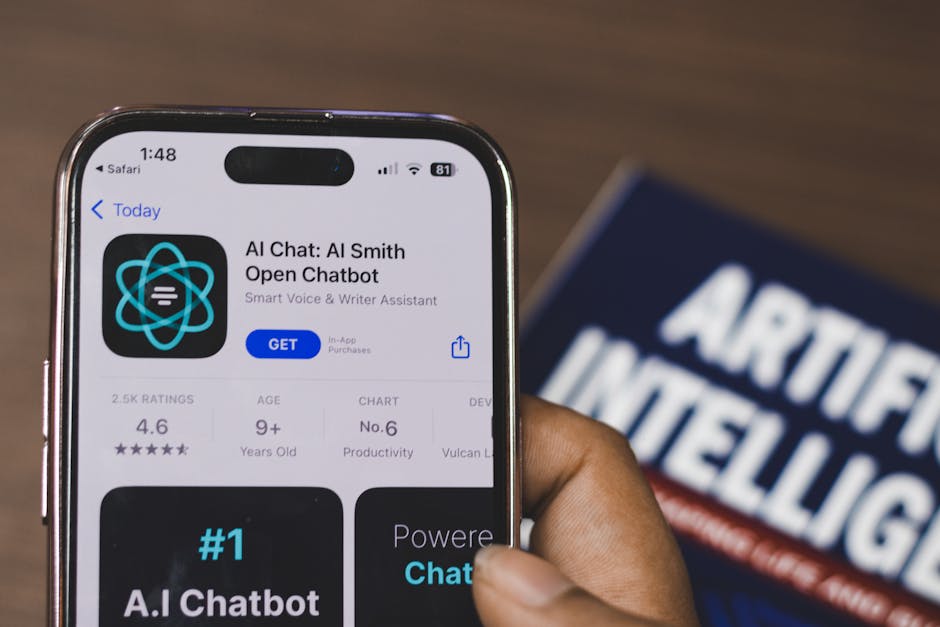
AI Chatbots for Marketing: Lead Generation, Customer Service and Conversational Commerce in 2026
AI chatbots have moved far beyond the scripted, frustrating experiences that gave them a poor reputation in earlier years. In 2026, powered by large language models and sophisticated conversational AI, marketing chatbots can hold natural conversations, understand context, qualify leads with nuance and guide customers through complex purchase decisions. For Singapore businesses, where consumers expect instant responses and increasingly prefer messaging over phone calls, AI chatbots are becoming an essential component of the marketing and sales infrastructure.
The numbers support the shift. Singapore has one of the highest messaging app adoption rates in the world—over 90% of the population uses WhatsApp, and Telegram and WeChat have significant user bases. Consumers increasingly expect businesses to be available on messaging platforms, and they expect responses within minutes, not hours. AI chatbots meet this expectation by providing instant, 24/7 engagement across websites, messaging apps and social media platforms—at a fraction of the cost of maintaining a large customer service team.
This guide covers the practical applications of AI chatbots in marketing—lead generation bots that qualify and capture prospects, customer service automation that resolves issues without human intervention, FAQ bots that handle repetitive queries, conversational commerce that drives purchases through chat and the platforms and tools that make it all work. Whether you are a B2B services firm looking to qualify leads or an e-commerce brand wanting to assist shoppers in real time, there is a chatbot strategy that fits your digital marketing goals.
Lead Generation Chatbots
Lead generation chatbots replace or supplement traditional contact forms by engaging website visitors in conversation, qualifying them based on predefined criteria and capturing their information for sales follow-up. The conversational format typically achieves higher completion rates than static forms because it feels less like filling out paperwork and more like having a helpful conversation.
Qualification workflows: An effective lead generation bot follows a structured qualification process disguised as natural conversation. It greets the visitor, identifies their need through open or guided questions, qualifies them against your ideal customer criteria (budget, timeline, company size, decision-making authority), captures contact information and either books a meeting directly or routes the lead to the appropriate sales representative. For a Singapore B2B services firm, a qualification bot might ask: “Are you looking for SEO, paid advertising or a broader digital marketing strategy?” followed by questions about budget range, timeline and current challenges.
Proactive vs reactive engagement: Reactive chatbots wait for visitors to initiate conversation. Proactive chatbots trigger engagement based on visitor behaviour—time spent on a pricing page, scrolling through case studies, returning to the site for the third time or attempting to leave the site. Proactive triggers significantly increase engagement rates but must be implemented carefully to avoid annoying visitors. A well-timed proactive message like “I noticed you have been exploring our pricing. Would you like help finding the right plan for your business?” can feel helpful rather than intrusive.
Meeting booking integration: The most effective lead generation bots integrate with calendar tools (Calendly, HubSpot Meetings, Google Calendar) to book meetings directly within the chat conversation. When a visitor is qualified and expresses interest in speaking with someone, the bot presents available time slots and confirms the booking—eliminating the back-and-forth emails that often cause leads to go cold. This seamless handoff from bot to human meeting is one of the highest-value chatbot applications.
Lead scoring and routing: AI chatbots can assign lead scores based on conversation responses and route leads to different team members or workflows based on score, product interest, company size or urgency. High-scoring leads get immediate notification to senior sales representatives. Medium-scoring leads enter a nurturing sequence via email marketing. Low-scoring leads receive self-service resources. This automated triage ensures your sales team focuses on the most promising opportunities.
AI Customer Service Bots
AI customer service bots handle routine enquiries, troubleshoot common issues and escalate complex problems to human agents—reducing response times, cutting support costs and improving customer satisfaction when implemented correctly.
Modern AI capabilities: 2026-era customer service bots powered by large language models understand natural language far better than earlier rule-based systems. They can interpret questions phrased in multiple ways, understand context from previous messages in the conversation, handle multi-step troubleshooting workflows and even detect customer sentiment to adjust their tone. A customer writing “I’ve been waiting for my order for two weeks and I’m really frustrated” receives a different response than someone asking “Could you check on my order status?”—the AI recognises the emotional context and responds with appropriate empathy.
Ticket deflection: The primary ROI of customer service bots comes from ticket deflection—resolving enquiries without human involvement. Well-implemented bots deflect 40% to 70% of common support queries, including order status checks, return and refund procedures, account password resets, delivery timeframe enquiries and basic product questions. Each deflected ticket saves S$8 to S$15 in human agent costs, making the ROI calculation straightforward for businesses with significant support volumes.
Human handoff: The best customer service bots know their limitations and hand off to human agents seamlessly when they cannot resolve an issue. Effective handoff includes transferring the full conversation history so the customer does not have to repeat themselves, notifying the agent of the issue category and sentiment, and providing the customer with an estimated wait time. Poor handoff—forcing customers to restart their explanation or leaving them in a queue without context—is the fastest way to destroy the customer experience and undermine trust in your chatbot.
Multilingual support: For Singapore’s multilingual market, AI chatbots can now handle conversations in English, Mandarin, Malay and Tamil with reasonable fluency. Modern LLM-powered bots can detect the language the customer is writing in and respond in the same language, or switch languages mid-conversation if the customer does. This is particularly valuable for businesses serving Singapore’s diverse population without maintaining separate language-specific support teams.
FAQ and Knowledge Base Bots
FAQ bots are the simplest and often highest-impact chatbot implementation. They connect your existing knowledge base, FAQ page or help centre content to a conversational interface, allowing customers to find answers through natural language questions rather than searching through documentation.
Knowledge base integration: Modern FAQ bots use retrieval-augmented generation (RAG) to search your knowledge base, retrieve relevant articles or sections and generate natural language answers. Rather than directing customers to a help article and leaving them to find the relevant paragraph, the bot extracts the specific answer and presents it conversationally, with a link to the full article for further reading. This approach works with existing content—you do not need to create a separate chatbot knowledge base.
Content sources: Feed your FAQ bot with content from multiple sources: your website’s FAQ page, help centre articles, product documentation, return and shipping policies, terms and conditions and even internal SOPs (with appropriate redaction of internal-only information). The more comprehensive your content sources, the more queries the bot can handle. Review chatbot conversation logs regularly to identify questions the bot cannot answer and create content to fill those gaps.
Continuous improvement: Track which questions the bot answers successfully and which it fails on. Failed queries—where the bot cannot find a relevant answer or the customer indicates the answer was unhelpful—represent content gaps in your knowledge base or areas where the bot’s understanding needs improvement. Use this data to continuously expand your FAQ content and improve bot accuracy. Most platforms provide analytics dashboards showing resolution rates, common topics and customer satisfaction scores.
SEO benefits: A well-implemented FAQ bot can indirectly support your SEO strategy by identifying the exact questions your customers ask in their own words. These natural language queries are valuable for creating content that targets long-tail search queries, optimising FAQ schema markup and understanding user intent for your 콘텐츠 마케팅 efforts.
Conversational Commerce
Conversational commerce uses chatbots to guide customers through the purchase journey—from product discovery to checkout—entirely within a chat interface. In Singapore, where messaging-first consumer behaviour is the norm, conversational commerce is a significant growth opportunity for retailers and service businesses.
Product discovery: AI chatbots help customers find the right product through guided conversations rather than browsing and filtering. A fashion retailer’s bot might ask about the occasion, preferred style, budget and size before recommending specific items. A home appliance bot might ask about room size, usage patterns and feature preferences before suggesting models. This guided discovery replicates the experience of an in-store sales assistant and is particularly effective for customers who are overwhelmed by large product catalogues or unsure of what they need.
In-chat purchasing: Some chatbot platforms support complete transactions within the chat window—product selection, payment and order confirmation without redirecting to a separate checkout page. WhatsApp Business Platform, Facebook Messenger and Telegram all support in-chat payments in various markets. For Singapore businesses, integrating payment options like PayNow, GrabPay and credit card processing within chat creates a frictionless purchasing experience that reduces cart abandonment.
Abandoned cart recovery: Chatbots can trigger automated messages when customers abandon their shopping cart, engaging them in conversation to understand and address objections. Unlike generic abandoned cart emails, AI chatbots can have nuanced conversations: “I noticed you were looking at the wireless earbuds. Was there anything about the product you were unsure about?” This conversational approach to cart recovery often outperforms standard email reminders because it addresses the specific reason for abandonment rather than simply reminding the customer to complete their purchase.
Upselling and cross-selling: AI chatbots can suggest complementary products or premium alternatives based on the customer’s current selection and purchase history. “Customers who bought this phone case also added a screen protector—would you like to add one?” These contextual recommendations feel helpful rather than pushy when delivered within a natural conversation, and they increase average order value without requiring additional marketing spend.
Chatbot Platforms Compared
Choosing the right chatbot platform depends on your use case, budget, technical capabilities and the channels where your customers are most active. Here are the leading platforms relevant to Singapore businesses in 2026.
Intercom: A comprehensive customer messaging platform with strong AI chatbot capabilities. Intercom’s Fin AI agent uses large language models to resolve support queries, qualify leads and guide product adoption. It integrates with your knowledge base and learns from previous conversation resolutions. Pricing starts from US$39 per seat per month for the basic plan, with AI agent features available at higher tiers. Best suited for SaaS companies, B2B businesses and mid-market organisations that need a combined chatbot, live chat and help desk solution.
Drift (now Salesloft): Focused primarily on B2B lead generation and conversational marketing. Drift’s AI chatbot qualifies website visitors, books meetings and routes leads to sales representatives. Its AI features include intent detection, visitor scoring and personalised engagement based on account data. Pricing is enterprise-focused, typically starting from US$2,500 per month, making it most suitable for B2B companies with dedicated sales teams and higher deal values. Strong integration with CRMs like Salesforce and HubSpot.
Tidio: An affordable chatbot platform ideal for SMEs and e-commerce businesses. Tidio combines live chat, AI chatbots and email marketing in a single platform. Its Lyro AI assistant handles customer queries using your website content and knowledge base. Pricing starts from US$29 per month with AI features available from US$39 per month. Tidio integrates with Shopify, WooCommerce, WordPress and other platforms commonly used by Singapore SMEs. The learning curve is minimal, making it accessible for teams without technical expertise.
ManyChat: Specialises in chatbots for social media platforms—Instagram, Facebook Messenger, WhatsApp and Telegram. ManyChat is popular for marketing automation, comment-triggered DM sequences and promotional campaigns on social channels. The free tier supports basic automation, with paid plans from US$15 per month. ManyChat is particularly effective for e-commerce and direct-to-consumer brands that drive engagement through social media marketing.
Chatfuel: Another social media-focused chatbot builder with strong WhatsApp and Messenger capabilities. Chatfuel offers a visual flow builder that makes it easy to create conversational sequences without coding. Its AI features include intent recognition, entity extraction and integration with ChatGPT for natural language understanding. Pricing starts from US$15 per month, making it accessible for small businesses.
WhatsApp Bots for Singapore
WhatsApp is the dominant messaging platform in Singapore, with over 5 million users. WhatsApp Business bots represent one of the highest-impact chatbot opportunities for Singapore businesses because they meet customers on the platform they already use most.
WhatsApp Business Platform: The WhatsApp Business Platform (formerly WhatsApp Business API) enables businesses to build automated conversational experiences on WhatsApp. Unlike the basic WhatsApp Business App (designed for solo entrepreneurs), the platform supports AI chatbots, automated workflows, rich message templates, product catalogues and integration with CRM and e-commerce systems. Access requires a Business Solution Provider (BSP) partner such as Twilio, MessageBird, Respond.io or WATI.
Use cases for Singapore: Singapore businesses use WhatsApp bots for appointment booking (clinics, salons, professional services), order tracking and delivery updates (e-commerce, F&B delivery), customer support (telcos, financial services, utilities), promotional campaigns (retail, hospitality) and lead qualification (real estate, education, financial advisory). F&B businesses use WhatsApp bots to accept orders, confirm reservations and send promotional messages about daily specials or upcoming events.
Template messages vs session messages: WhatsApp distinguishes between template messages (pre-approved message templates that businesses can send proactively) and session messages (free-form messages within a 24-hour customer-initiated conversation window). Template messages require approval from Meta and incur per-message costs (approximately US$0.05 to US$0.08 per message in Singapore). Session messages within the 24-hour window are free for the first 1,000 conversations per month. Understanding this pricing model is essential for managing WhatsApp bot costs.
Compliance considerations: WhatsApp has strict policies against spam and unsolicited messaging. Businesses must obtain opt-in consent before sending template messages, provide clear opt-out mechanisms, maintain quality ratings (WhatsApp penalises accounts with high block or report rates) and comply with Singapore’s PDPA for data collection through chat. Violating WhatsApp’s policies can result in account restrictions or bans, so ensure your WhatsApp bot strategy prioritises permission-based, value-adding communication.
Click-to-WhatsApp ads: Combine your WhatsApp bot with Google 광고 and Meta Ads click-to-WhatsApp campaigns. These ads direct users to a WhatsApp conversation with your business, where the bot qualifies them and captures their information. Click-to-WhatsApp ads often deliver lower cost-per-lead than traditional landing page campaigns because the conversation format reduces friction and increases engagement rates.
Implementation and Best Practices
Successful chatbot implementation requires careful planning, realistic expectations and continuous optimisation. Here are the best practices that determine whether your chatbot delivers ROI or frustrates your customers.
Start with a specific use case: Do not try to build an everything-bot. Start with a single, well-defined use case—FAQ handling, lead qualification or order status tracking—and execute it well before expanding. A chatbot that handles one task excellently builds customer trust and adoption. A chatbot that handles many tasks poorly destroys both.
Design conversational flows carefully: Map out every possible conversation path before building. Identify the most common customer intents, design clear response paths for each, plan for edge cases and dead ends, and always provide a clear path to a human agent. Test your flows with real users before launching—what makes sense to the bot designer often confuses actual customers.
Set expectations clearly: Tell users they are talking to an AI chatbot, not a human. This manages expectations and reduces frustration. Users are generally more forgiving of a bot’s limitations when they know it is a bot than when they discover mid-conversation that they have been talking to an automated system they assumed was human. Transparency builds trust.
Measure the right metrics: Track resolution rate (percentage of conversations resolved without human intervention), customer satisfaction score (CSAT) for bot interactions, lead capture rate, average conversation length, handoff rate and the specific queries the bot fails on. These metrics tell you whether the bot is delivering value and where it needs improvement. Do not focus solely on conversation volume—a high volume of frustrated, unresolved conversations is worse than no chatbot at all.
Integrate with your marketing stack: Connect your chatbot to your CRM (HubSpot, Salesforce), email marketing platform, analytics tools and 웹사이트 analytics. This ensures lead data flows seamlessly from chatbot to sales team, conversation insights inform your broader marketing strategy and chatbot performance is tracked alongside other marketing channels.
Continuous training and improvement: Review chatbot conversations weekly to identify misunderstandings, failed queries and opportunities for improvement. Update your knowledge base, refine conversation flows and add new intents based on real customer interactions. AI chatbots improve over time, but only if you actively invest in their training and refinement.
자주 묻는 질문
How much does an AI chatbot cost for a Singapore SME?
Entry-level chatbot platforms like Tidio and ManyChat start from US$15 to US$39 per month, providing AI-powered chatbot capabilities sufficient for most SMEs. Mid-range platforms like Intercom start from US$39 per seat per month. Enterprise platforms like Drift start from US$2,500 per month. WhatsApp Business Platform costs include BSP fees (US$50 to US$200 per month) plus per-message costs for template messages. For most Singapore SMEs, a budget of S$50 to S$200 per month covers a capable AI chatbot solution. Custom-built chatbot solutions typically cost S$5,000 to S$20,000 for initial development plus ongoing maintenance.
Can AI chatbots handle Singlish and local language nuances?
Modern LLM-powered chatbots handle Singlish and Singapore English reasonably well, understanding common expressions like “can” (yes), “cannot lah” (no), “how much ah” (what is the price) and code-switching between English and Mandarin. Performance varies by platform—chatbots built on GPT-4 or similar large language models handle Singlish better than older NLP-based systems. However, for critical customer interactions, test your bot thoroughly with local language patterns and have fallback options for queries it cannot understand. Training the bot with examples of actual customer messages from your Singapore audience significantly improves its local language handling.
Should I use a chatbot or live chat?
Use both. AI chatbots handle the initial engagement, routine queries and after-hours conversations. Live chat handles complex issues, high-value prospects and situations where human empathy and judgement are needed. Most platforms support this hybrid model—the chatbot handles first contact, attempts to resolve the query, and hands off to a human agent when it cannot. This approach typically reduces the live chat team’s workload by 40% to 60% while maintaining customer satisfaction for complex enquiries.
How do I measure chatbot ROI?
Calculate chatbot ROI by measuring: leads generated (number and quality of leads captured through the chatbot, valued at your average cost per lead), support tickets deflected (number of queries resolved by the bot multiplied by your average cost per human-handled ticket), revenue influenced (sales where the chatbot played a role in the customer journey), and time saved (hours of human agent time freed by bot automation). Subtract chatbot platform costs and implementation time. Most businesses achieve positive ROI within two to three months of implementation if the chatbot is handling a meaningful volume of conversations.
Are AI chatbots PDPA-compliant?
AI chatbots can be PDPA-compliant if implemented correctly. Key requirements include: informing users that their data is being collected and how it will be used (typically through a privacy notice at the start of the conversation), obtaining consent before collecting personal data, storing conversation data securely, providing data access and deletion mechanisms upon request, and ensuring any third-party chatbot platform processes data in compliance with PDPA standards. Review your chatbot platform’s data processing terms and ensure data storage complies with Singapore’s cross-border transfer requirements if the platform stores data outside Singapore.
How long does it take to implement a marketing chatbot?
A basic FAQ or lead qualification chatbot using a platform like Tidio or ManyChat can be set up in one to two days. A more sophisticated chatbot with custom conversational flows, CRM integration and multilingual support typically takes two to four weeks. Enterprise chatbot implementations with complex integrations, custom AI training and multi-channel deployment can take two to three months. Start with a minimum viable chatbot, launch it quickly and iterate based on real conversation data rather than spending months perfecting a chatbot in isolation before deployment.


 Korean
  English
  Chinese
  Malay
Malay